New index tracks countries’ vulnerability to conflict between large and small-scale fishers
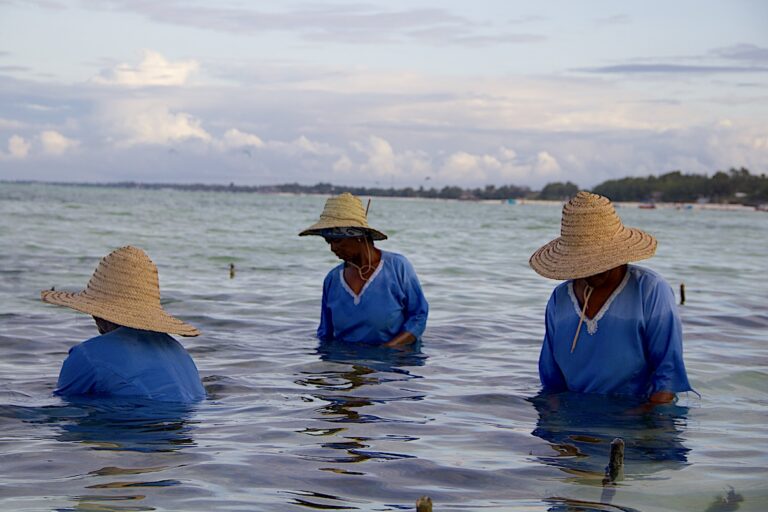
Competition between small-scale fishers and industrial vessels can threaten food security and livelihoods in coastal communities especially in the Global South. A new study looks at which countries are most vulnerable to this competition and other forms of conflict between the two sectors, such as disputes over fishing grounds or damage to gear. The study, […]
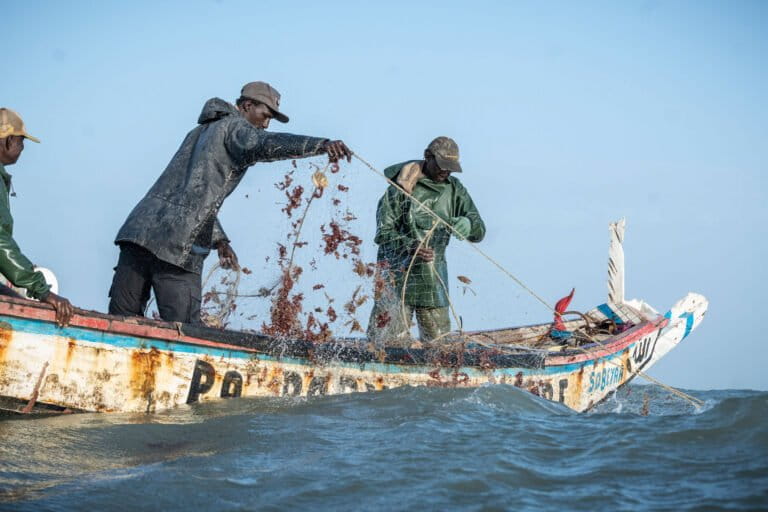
A new study published in the journal Nature Food has introduced an index to assess countries' vulnerability to conflict between large-scale and small-scale fishers. The research, led by Melissa Cronin from the University of Massachusetts Dartmouth, introduces a scoring system for 126 countries based on factors such as industrial activity near shore, reliance on small-scale fishing for food and income, and governance weaknesses.
Africa, Oceania, Asia, and Central and South America are the most vulnerable regions, with West Africa and South Asia being the most vulnerable subregions. Guinea, Sierra Leone, and Mozambique ranked highest globally in conflict vulnerability. Conflict between large- and small-scale fishers can arise through various means, the most direct being competing for the same fish species.
Larger vessels can outcompete smaller ones due to their efficiency and speed, shifting the balance in the fishing ecosystem.
Written by urgent.news from Mongabay's reporting — not their text. Machine-written — may contain errors; check the original before relying on it.