NASA Invites Media to Northrop Grumman CRS-25 Station Resupply Launch
Media accreditation is open for the next launch to deliver NASA science investigations, supplies, and equipment to the International Space Station. A Northrop Grumman Cygnus XL spacecraft will launch in November to the orbital laboratory on a SpaceX Falcon 9 rocket for NASA. The mission is known as NASA’s Northrop Grumman Commercial Resupply Services 25, […]
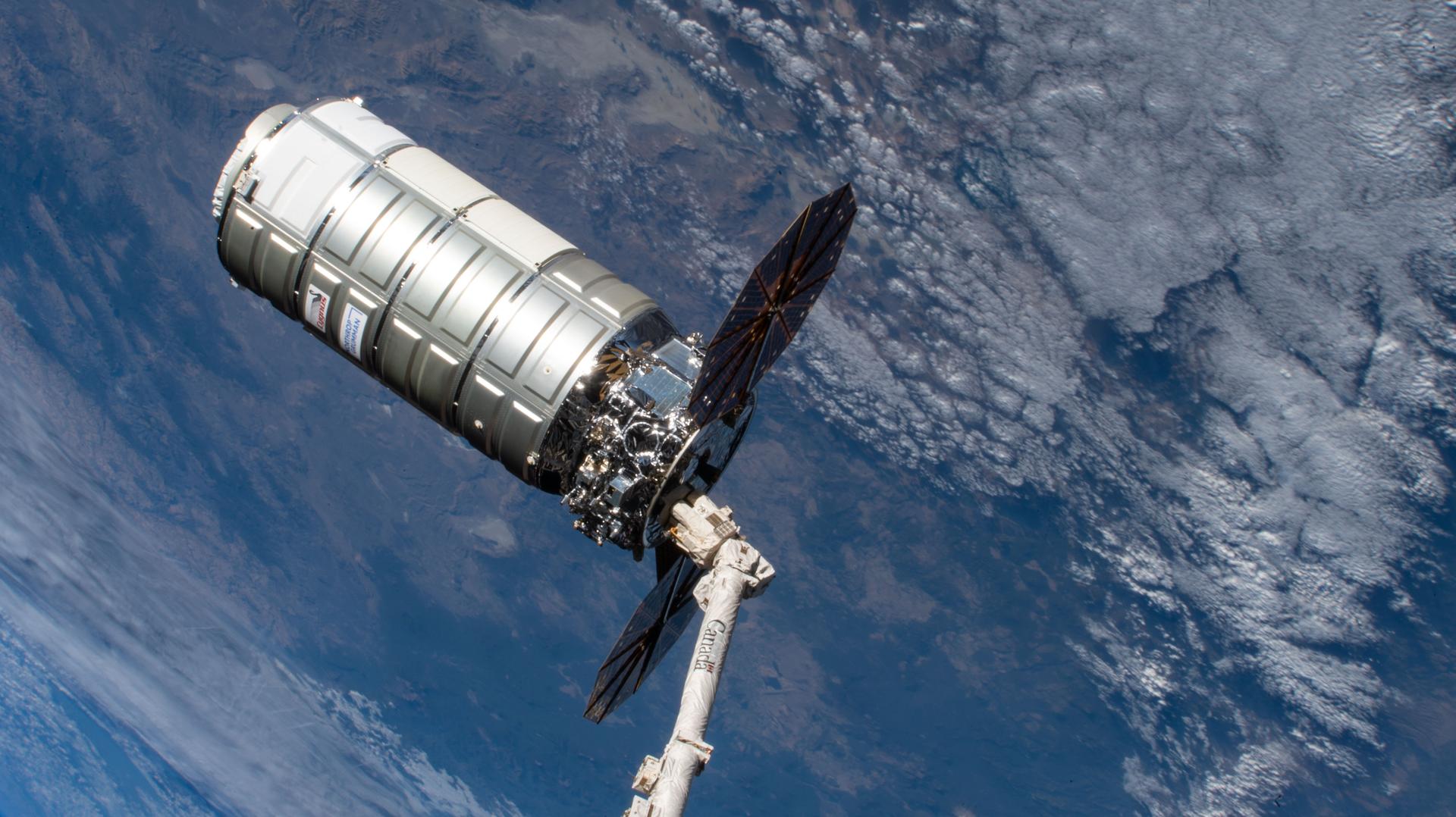
NASA is extending an invitation to the media to witness the launch of the Northrop Grumman CRS-25 mission, set to take place at Space Launch Complex 40 at Cape Canaveral Space Force Station in Florida. The spacecraft, a Cygnus XL built by Northrop Grumman, will carry scientific investigations, supplies, and equipment to the International Space Station.
The mission, designated as NASA's CRS-25, is scheduled for liftoff on November 29, 2026, with a targeted launch time of 10:49 a.m. EST. Following launch, astronauts will use the Canadarm2 robotic arm to capture the Cygnus and secure it to the Unity module's Earth-facing port for cargo unloading. The spacecraft is expected to remain at the space station until May 2027, delivering various experiments and supplies to support scientific research in areas such as biology, Earth and space science, physical sciences, and technology development.
The Cygnus mission is the 25th under a contract between Northrop Grumman and NASA. Accreditation for U.S. media to cover prelaunch and launch activities is open, with the application deadline set for November 12, 2026, at 11:59 p.m. EST. Media accreditation requests can be submitted online via a provided link. NASA offers additional information on media accreditation and other inquiries through their media contact channels.
Written by urgent.news from NASA's reporting — not their text. Machine-written — may contain errors; check the original before relying on it.
This story
This is one outlet's version. Read the fullest account.