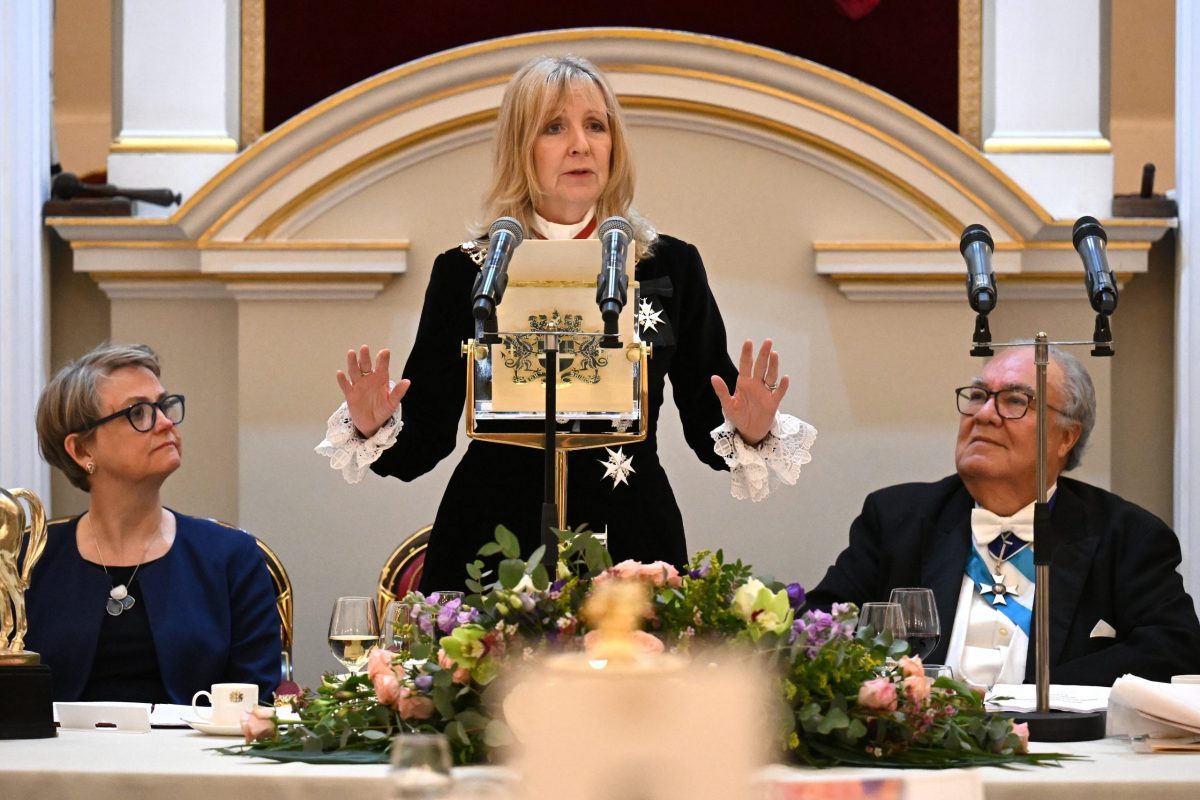
Labour’s media leaking is corroding parliamentary standards
If Labour doesn’t respect the rules of Parliament, including secrecy, why should anyone else, asks Eliot Wilson.
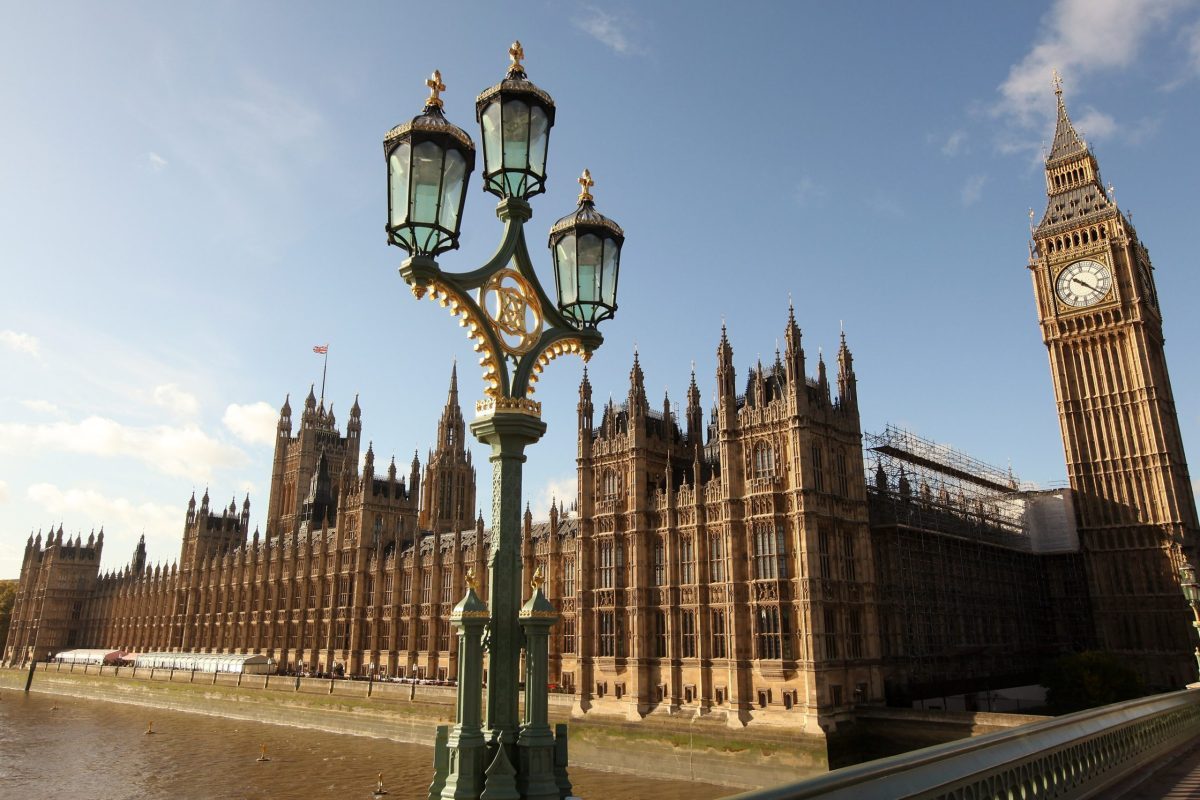
Labour's media leaks are eroding the standards of parliamentary conduct, warns Eliot Wilson. The Victorian journalist Walter Bagehot distinguished between "dignified" and "efficient" aspects of our constitutional arrangements. The House of Commons falls under the latter category, responsible for the actual functioning of the state.
Last week's Budget Day showcased that this crucial body is rapidly transitioning from being efficient to dignified. The secrecy surrounding the budget process, which includes a carefully timed media briefing, has become a subject of ridicule. Politicians have been briefing the media extensively about the contents of the Budget for weeks before its actual release.
This year, government ministers such as Rachel Reeves provided detailed preliminary statements and even quoted Reeves verbatim in a press release, defying the established norms. The Ministerial Code and a House of Commons resolution from 1997 emphasize the importance of transparency and open communication with Parliament. In 1947, Chancellor Hugh Dalton inadvertently leaked details of the Budget to a journalist, leading to his resignation.
Today, such breaches of protocol are commonplace and have significant consequences. Parliament is meant to be the people's voice, but when major policy announcements are made outside of its chambers, it loses its ability to scrutinize the government's actions. The premature disclosure of the Budget undermines the process of debate and decision-making, causing ministers to withhold information and self-censor.
This erosion of trust and transparency in the government's decision-making is detrimental to the overall functioning of the legislative process.
Written by urgent.news from City AM's reporting — not their text. Machine-written — may contain errors; check the original before relying on it.