Japan’s mini Shikoku Pilgrimage walking tour left us feeling immensely satisfied
The full pilgrimage takes weeks to complete, but if you’ve got a couple hours, this Matsuyama experience will show you what makes the tradition so special. The Shikoku Pilgrimage route is, unquestionably, a great Japan travel experience. After all, people have been walking it, tracing the footsteps of famed Buddhist monk Kukai (also known as […]
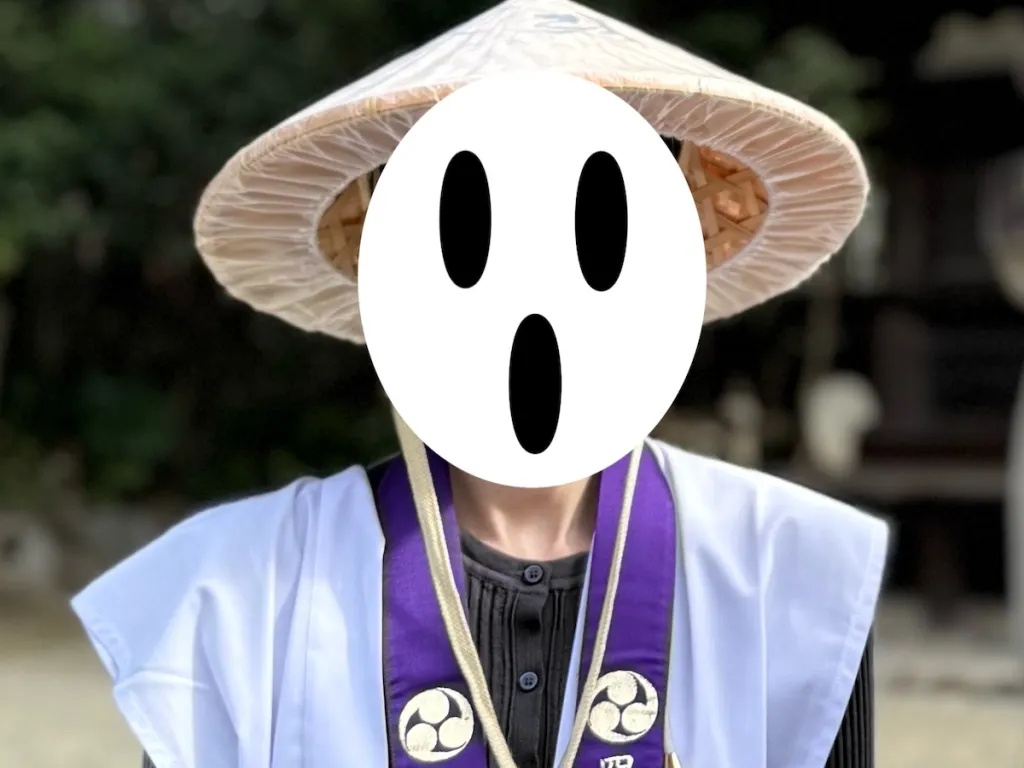
The Shikoku Pilgrimage is a centuries-old tradition that has captured the hearts and feet of travelers for 1,200 years. It follows a route around the island of Shikoku, Japan, and is dedicated to the famed Buddhist monk Kukai, also known as Kobo Daishi. However, the full route is a demanding journey, taking about six weeks to complete on foot. As our recent visit to Matsuyama, Ehime Prefecture, demonstrated, it's not always possible to dedicate that much time to such a pilgrimage.
In our case, we opted for a 90-minute guided walking tour which took us to one of the 88 temples along the route. Our adventure began in the city's Dogo Shopping Street, where we met our guide and received traditional pilgrimage attire: a sleeveless hakue (white cloth tunic), a sugegasa (conical straw hat), and a kongozue (walking stick). These garments are more than just fashion statements; they serve important symbolic purposes.
The white tunics, known as hakue, were originally worn by pilgrims as a sign of preparedness for potential death along the route, as there were no modern conveniences like phone calls for help in the past. Additionally, the white color was used in Buddhist funeral rites to prepare the body for cremation. Fortunately, our guided mini-pilgrimage took us to a safe destination, and we walked from Dogo Onsen to Ishiteji Temple, the 51st of the 88 temples on the pilgrimage.
During our walk, we encountered various aspects of Matsuyama's culture. We observed haiku mailboxes where locals submit their poetry, as well as open-air foot baths filled with hot spring water. We also admired a statue of Masaoka Shiki, a master haiku poet born in Matsuyama who was also an avid baseball fan. As we continued, we noticed that local residents greeted us with polite "good mornings" and cheered us on with "Hang in there."
This respect shown towards pilgrims is a significant aspect of Shikoku culture, as residents acknowledge those walking the route, regardless of whether they've completed the entire journey or not.
One of the unique elements of the Shikoku Pilgrimage is the specific behavior expected from pilgrims, which isn't as common in other temples in Japan. Our guide explained that touching the upper surface of bridges with walking sticks was a practice observed by Kukai when he first undertook the pilgrimage centuries ago. Since then, pilgrims are encouraged to avoid this action as a sign of respect for the monk who might have been sleeping under the bridge.
During our visit to Ishiteji Temple, we followed this custom and lit candles and incense in designated areas to show consideration for others who might come after us. We also enjoyed some roasted mochi, a local specialty at the temple. Our guided Pilgrimage Experience proved to be an immensely satisfying way to experience the essence of the Shikoku Pilgrimage in just a few hours.
Written by urgent.news from SoraNews24's reporting — not their text. Machine-written — may contain errors; check the original before relying on it.