Israel’s opposition meets to back Eisenkot, but Netanyahu says voters chose him
It will be the diverse opposition grouping's first meeting since last week's close-fought election delivered no majority for either camp.
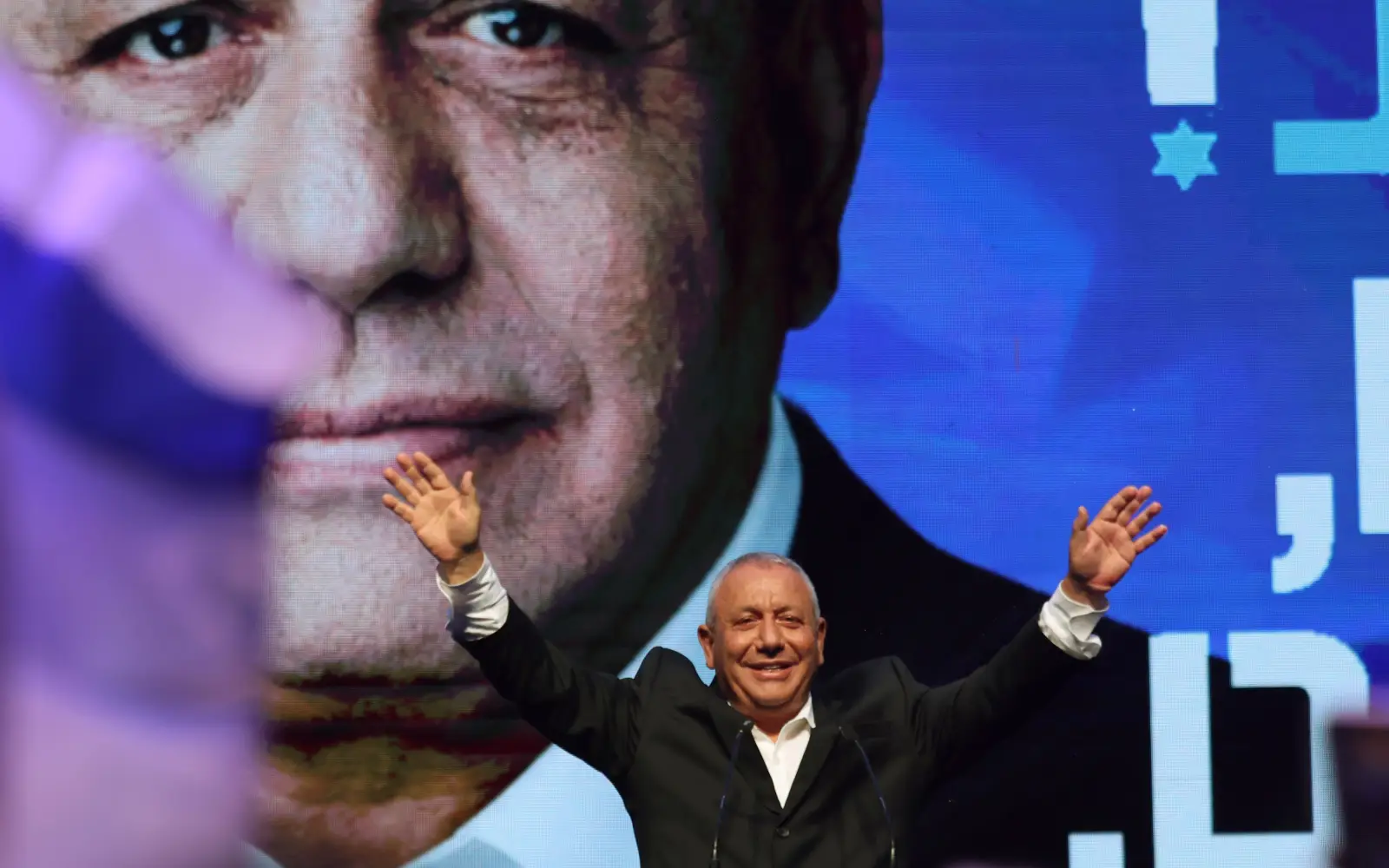
On Tuesday, leaders of Israel's opposition parties, united as the Change Bloc, will convene to determine their next steps following last week's closely contested election. The bloc secured 48 seats, while incumbent Prime Minister Benjamin Netanyahu's Likud party amassed 53 seats, including 27 from his own party. This is the Change Bloc's inaugural meeting since the election, which yielded no majority for either side.
Arab-majority lists emerged victorious, claiming a record 19 seats, potentially positioning them as the key decision-makers in any future coalition government.
Eisenkot's Yesh Atid party announced that the bloc's leaders will discuss coordinating their strategy for the upcoming week. Meanwhile, Netanyahu has urged for a broad national government, excluding the Arab parties, citing a clear majority of the Jewish public's choice for his Likud party as the prime ministerial candidate. He also dismissed the possibility of coalition negotiations with the Arab lists, alleging their support for terrorism and disbelief in the Jewish state's existence.
Arab Israeli party leaders have unanimously condemned the October 7 Hamas attack on Israel, categorizing the group as a terror organization. However, not all Arab leaders agree with this characterization. In interviews with AFP, two Arab-majority lists shared their goal of overthrowing what they consider a "racist" government. While few specifics have surfaced regarding behind-the-scenes discussions, both opposition parties have suggested they may endorse Eisenkot as the next prime minister.
The pivotal question remains: will Arab lists endorse the Change Bloc, or will they remain steadfast in their opposition to a coalition with Netanyahu? The Israeli president, Isaac Herzog, will engage in consultations with party representatives starting Wednesday, with seven days to decide on a candidate. The chosen individual will have 28 days to form a coalition, extending by an additional 14 days if necessary.
Should this attempt fail, the president may choose another candidate, given 28 days for coalition-building. Failure of a second attempt will trigger the dissolution of parliament and the holding of new elections within 14 days.
Written by urgent.news from Free Malaysia Today's reporting — not their text. Machine-written — may contain errors; check the original before relying on it.
This story
This is one outlet's version. Read the fullest account.
- Israel’s opposition meets to back Eisenkot, but Netanyahu says voters chose him freemalaysiatoday.com
- October 7 survivors, bereaved families urge Eisenkot to reject Netanyahu unity government jpost.com
- Liberman to back Eisenkot for PM, but rules out minority government with Arab support timesofisrael.com