He got a religious exemption from using AI at work. Maybe you can too
As the University of Kentucky began encouraging employees to use AI —from Copilot for meeting notes to tools like Claude and ChatGPT for everyday tasks—David Durman, a research administrator, worried about what he would lose by outsourcing his own thinking to machines. So in August, Durman, who identifies as a humanist, took an unusual step. He sought a religious exemption from using artificial…
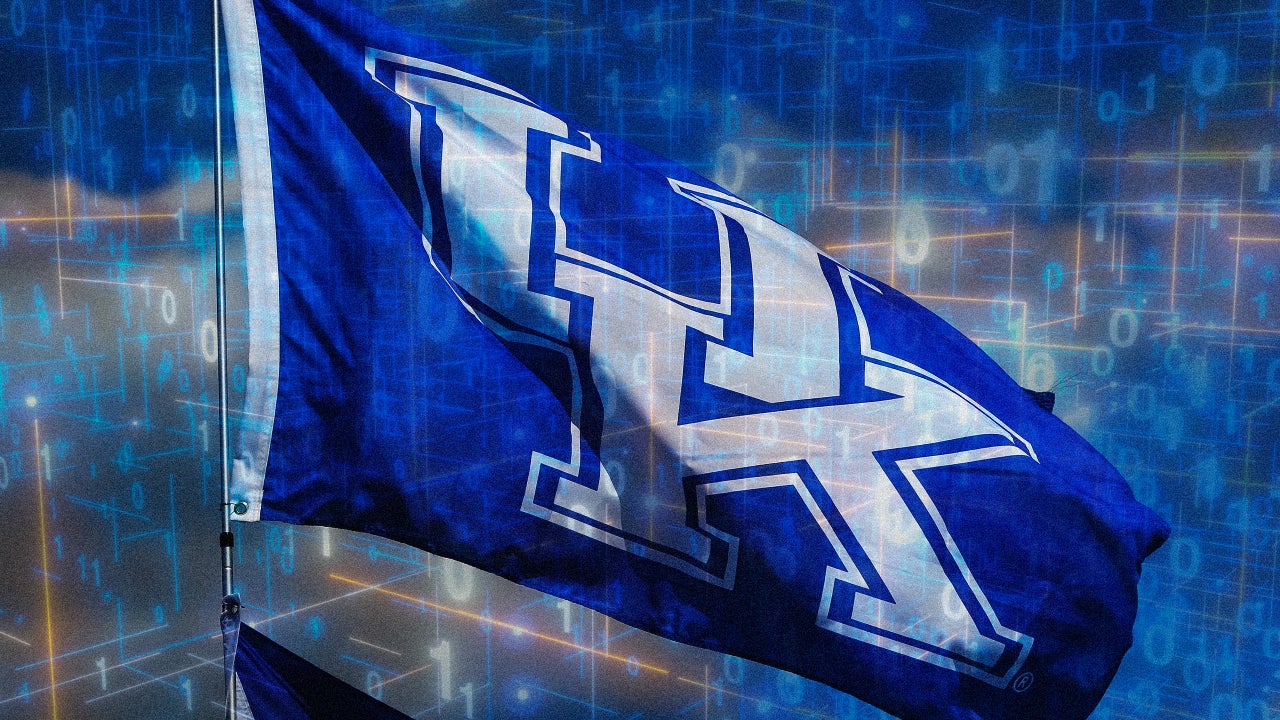
When the University of Kentucky started encouraging staff to use AI for tasks like taking meeting notes and drafting emails, research administrator David Durman felt uneasy. He believed embracing artificial intelligence to make decisions that required human judgement, listening skills and personal responsibility would undermine the essence of being human.
So, in August, he sought a religious exemption from using AI at work, backed by the American Humanist Association, a group that advocates for humanists and atheists. He argued that depending on AI to perform tasks that required human judgment, listening and personal responsibility violated his core beliefs and diminished human dignity.
On September 25, the university granted his request, determining that providing the accommodation would not impose an undue burden on his department.
This decision opens a new door for workers who object to AI, allowing them to invoke federal religious-accommodation protections to opt out of technology that employers are increasingly using. To qualify for this religious exemption, workers don't have to believe in God; they merely need to believe in humanism, a non-theistic belief system that stresses human dignity, reason and responsibility to each other.
Humanists have been cautious about AI, arguing that it should never replace human judgment and should benefit society broadly.
In light of AI's potential risks, including job loss and environmental damage, humanists advocate for its development to enhance human flourishing rather than undermine it. Last year, humanist groups even adopted a declaration outlining principles for AI, emphasizing that the technology should never replace human judgment and should be beneficial to society. David Durman also expressed his concerns about the broader impacts of AI, such as job loss and environmental damage, which conflict with his humanist values.
The legal framework for religious accommodations falls under Title VII of the Civil Rights Act, which generally requires employers to accommodate employees’ sincere religious beliefs, including non-theistic beliefs, unless doing so would cause undue hardship to the business. Although such accommodations for avoiding AI are relatively new, they have already been successful in some cases.
For instance, a software engineer who is a Unitarian Universalist successfully obtained an exemption from using AI at work, citing environmental concerns related to AI use.
Written by urgent.news from Fast Company's reporting — not their text. Machine-written — may contain errors; check the original before relying on it.