Govt set to tweak MSP norms for periodic price hikes of minor forest products
The Centre is planning to restructure the minimum support price mechanism for minor forest produce. This change aims to provide periodic hikes to benefit tribal communities relying on forest produce. TERI has been tasked to study the current MSP framework and assess potential rationalization. Concerns regarding stagnant MSP rates sparking exploitation among forest-dependent communities have been…
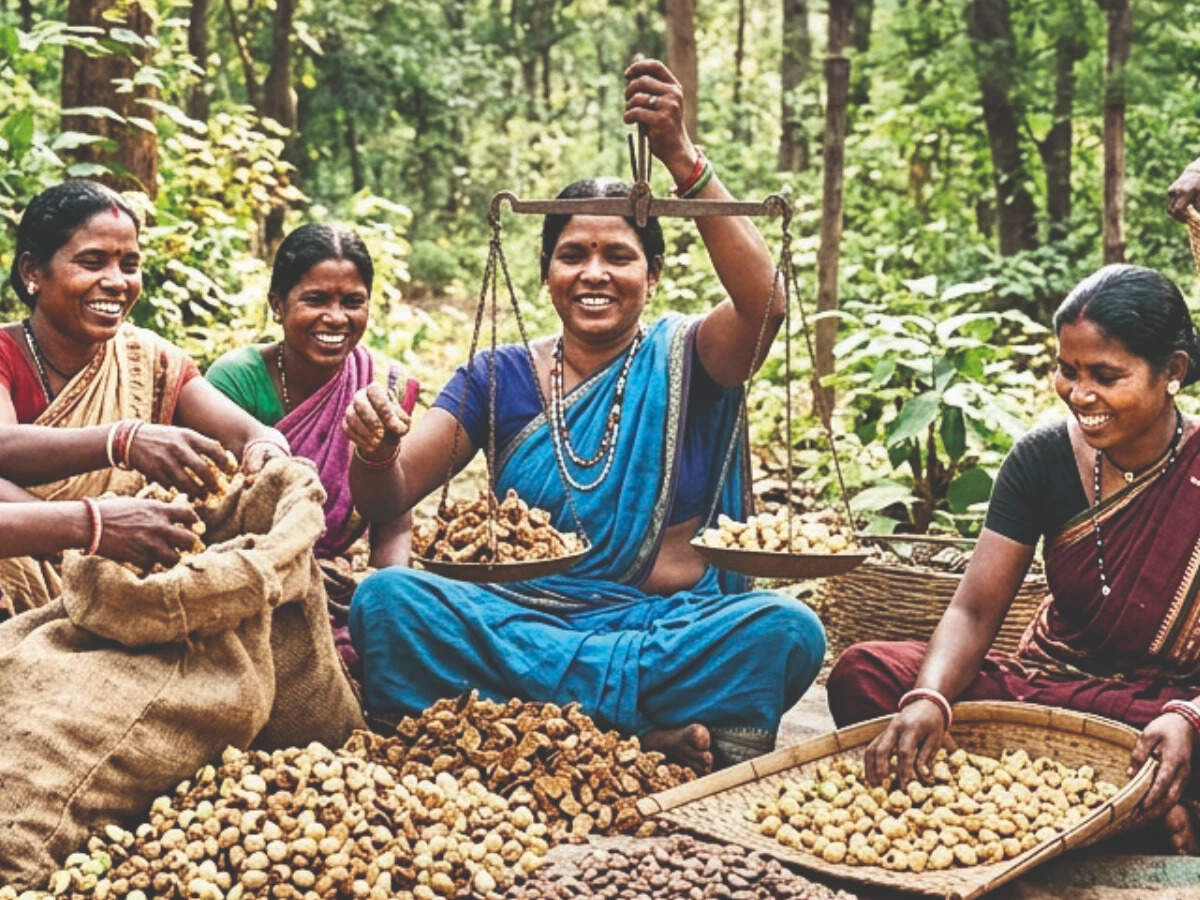
The Indian government is planning to modify the minimum support price (MSP) system for minor forest produce (MFP) to ensure periodic hikes that benefit tribal communities. The tribal affairs ministry has assigned The Energy and Resources Institute (TERI) the task of evaluating the MFPs under the MSP framework and determining if the list requires rationalisation.
TERI will carry out field surveys to determine how the current system can be adjusted to improve prices for tribal people who rely on forest produce for their livelihoods. The government expects to raise the MSP starting from the next fiscal year, following a six-year period without any changes in rates. The MSP scheme, initiated by the Congress-led United Progressive Alliance (UPA) government in 2013-14, guarantees a minimum price for selected forest produce collected by tribals, particularly those residing in remote regions.
The items are sold at village markets (haats), with state agencies procuring them when market prices fall below the designated MSP. A senior official explained that MSP needs to be rationalised due to certain products fetching much higher prices than the fixed rates. The system must also consider potential market surpluses and choose appropriate price-fixing mechanisms.
Although the guidelines require MSP revision every three years, the rates have remained unchanged since 2020. The proposed increase stems from concerns raised by Members of Parliament during two successive parliamentary standing committee meetings on social justice and empowerment. They highlighted that the prolonged stagnation in MSP left forest-dependent communities susceptible to exploitation by middlemen, compelling them to sell their produce at lower prices.
The last revision took place in May 2020 during the Covid-19 pandemic, when village haats were closed for social distancing. With migrant workers returning to their villages and livelihoods disrupted, the Centre intervened to provide tribal households with income to meet basic needs. The MSP was increased by 16-30% across different products, and the number of forest produce items covered under the scheme expanded from 49 to 87 by November 2020.
The proposed revision is anticipated to aid tribals in several states, including Himachal Pradesh and Gujarat, both of which are scheduled to hold assembly elections in the near future.
Written by urgent.news from The Economic Times - Economy's reporting — not their text. Machine-written — may contain errors; check the original before relying on it.
This story
This is one outlet's version. Read the fullest account.