Govt enlists oil refineries to shield citizens from global price hikes
The government said on Monday that oil refineries would bear a burden of approximately Rs15 billion each month, which would allow petrol to be sold Rs15 cheaper than what it was in the global market amid the US-Israeli war on Iran. The statement came at a press conference in Islamabad addressed by Petroleum Minister Ali Pervaiz Malik and Information Minister Attaullah Tarar. Addressing the…
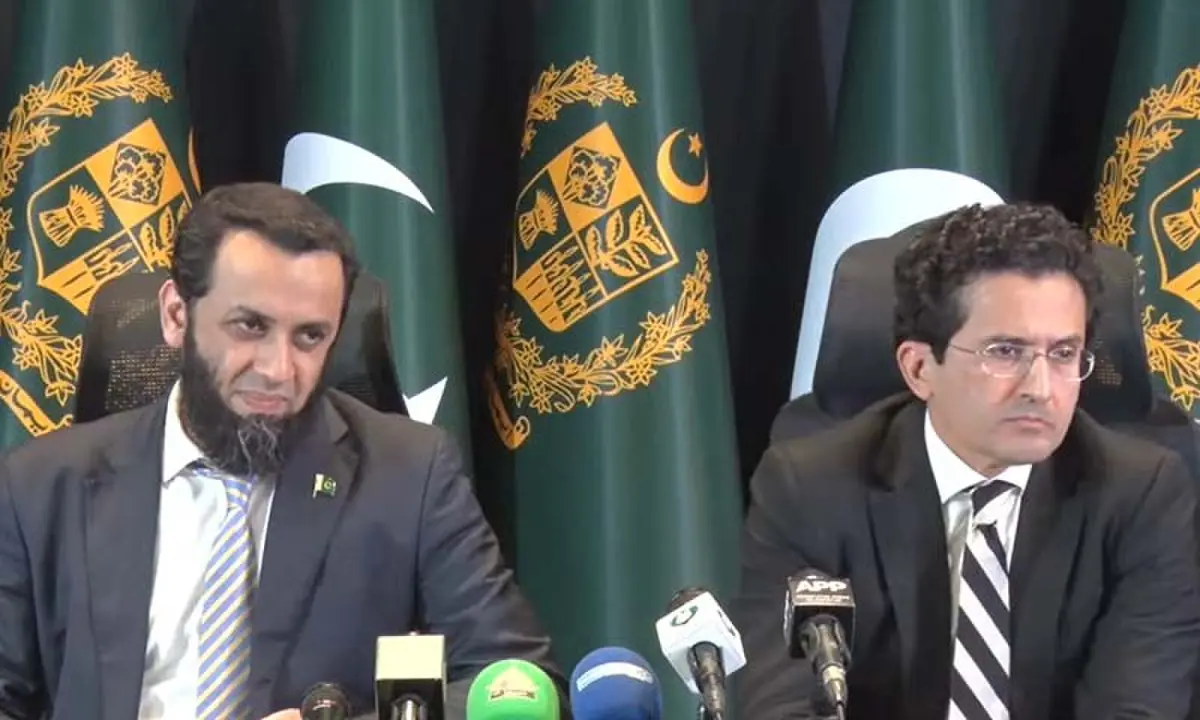
The Pakistani government has enlisted oil refineries to help shield citizens from global fuel price increases caused by the US-Israeli war on Iran. Petroleum Minister Ali Pervaiz Malik announced on Monday that refineries would bear a burden of about Rs15 billion each month to prevent petrol from being sold at a Rs15 premium over the international market.
Addressing a press conference, Malik said Prime Minister Shehbaz Sharif had consulted refineries to take action to keep fuel prices as low as possible for the public. He expressed gratitude to the refineries for stepping in to assist, enabling petrol to be sold at a rate Rs15 per litre cheaper than in the global market. Malik highlighted that the crisis in the Middle East might soon see a peace agreement, and the government aims to improve the system, introduce deregulation, and upgrade refineries.
Information Minister Attaullah Tarar also praised the premier's vision, noting that even though global markets faced difficulties, Pakistan's economy remained relatively stable. He praised the success of the fuel subsidy scheme launched on September 13, where motorcycle users receive a weekly Rs500 concession and 800cc car users get 10 litres of petrol for Rs100 less per litre every 10 days.
Over 15 million unique users have registered for the scheme, and around Rs27 billion has been allocated towards it. He noted that the country's fuel needs were being met, and there was no fuel shortage. The price of high-speed diesel has dropped from its peak of Rs520.35 in April, and petrol prices peaked at Rs458.41 in April before stabilizing.
To control rising fuel prices, the government has introduced austerity measures, including closing markets by 9pm and reducing fuel allocations for official vehicles by 50% for three months.
Written by urgent.news from Dawn's reporting — not their text. Machine-written — may contain errors; check the original before relying on it.