From prompt engineers to tool builders: Intuit’s Vignesh Subrahmaniam on building AI that acts
At TechSparks 2026, Intuit’s Principal AI Scientist explained why reliable tools, high-quality data, and consent matter more than ever as AI moves from answering to acting
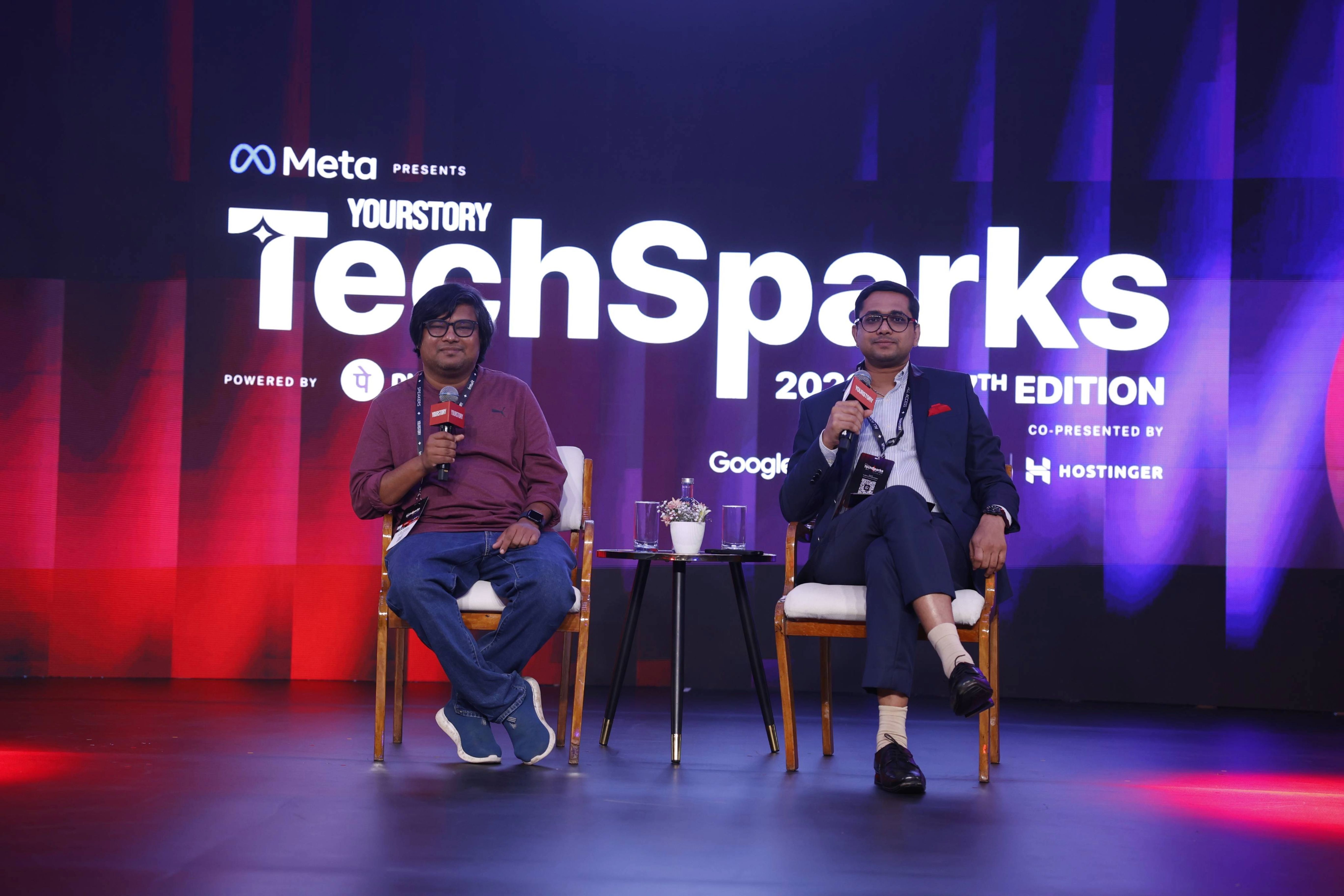
Intuit's Dr Vignesh Subrahmaniam, Principal AI Scientist, discussed the evolution of AI from prompt engineering to building agentic systems at TechSparks 2026. He likened an algorithm being trained on countless chess games to how his team teaches small businesses by analyzing their actions and outcomes. Rather than merely writing smarter prompts, builders now focus on creating dependable tools that large language models can use to make decisions and perform actions.
Unlike previous programming languages, large language models let anyone program using plain English. However, this approach has limitations, and researchers have realized that intelligence should reside in the tools the model calls. For AI to progress beyond generating text and suggest actions, it must learn from multimodal sources and real-world experiences.
Data quality remains crucial, as "garbage in, garbage out" still applies, regardless of the algorithm's complexity. In a regulated industry, consent and privacy are essential, and companies must explain the benefits of data use to the wider community. Builders must prioritize building dependable tools, feeding systems with high-quality data, and earning consent to learn from it, as AI moves from responding to acting.
Written by urgent.news from YourStory's reporting — not their text. Machine-written — may contain errors; check the original before relying on it.