Feds defend extradition treaty talks with UAE amid concerns
The Prime Minister's Office said last week's visit by the crown prince to Ottawa led to "significant progress" on the UAE’s commitment to invest in Canada.
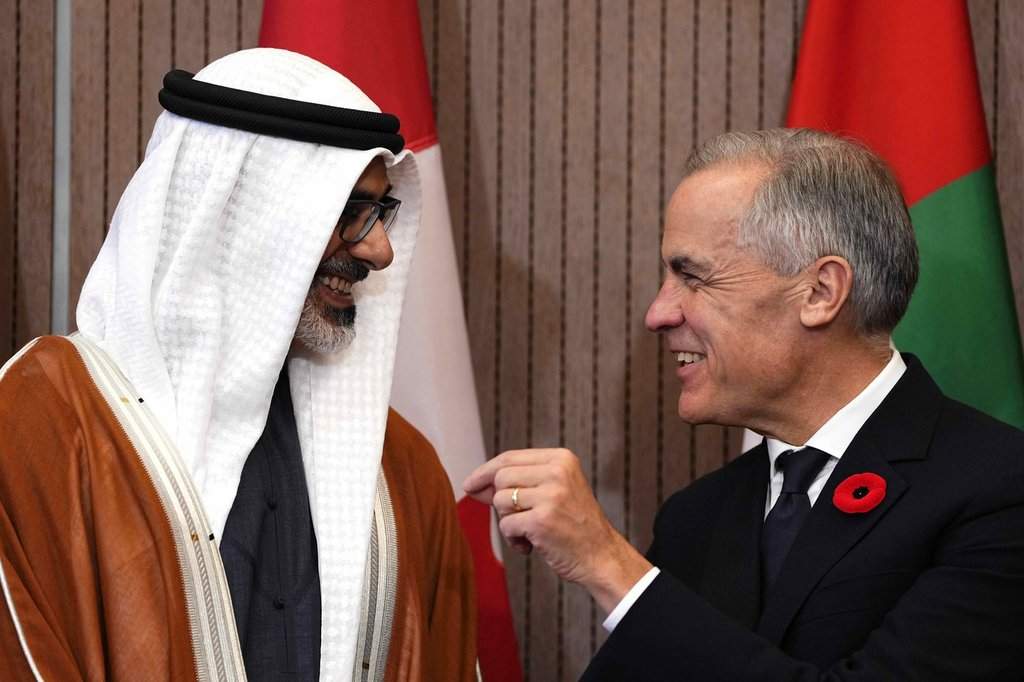
The federal government is standing by its intention to engage in extradition treaty negotiations with the United Arab Emirates (UAE), despite criticism from civil society groups over the country's poor human rights record. Canada and the UAE signed a free-trade agreement last week, during which Crown Prince Sheikh Khaled bin Mohamed bin Zayed met with Prime Minister Mark Carney in Ottawa.
Both nations announced plans to begin discussions on an extradition treaty and a mutual legal assistance treaty. Human rights advocates have raised concerns about the UAE's record of detentions and unlawful imprisonments, citing the case of Sudanese advocate Mohammed Farouk Salman Mahmoud, who spent over a year in a UAE prison without charges.
Khalfan of Inter Pares noted that the UAE has also been accused of supporting a militia in Sudan responsible for genocide, a claim the UAE denies. Kwame Bonsu of the Department of Justice defended the extradition treaty proposal, stating it would aid in the prosecution of serious crimes such as drug trafficking and cybercrime, benefiting from the UAE's existing partnerships with countries like the UK and Netherlands.
Bonsu argued that diversifying trade and investment is essential, but human rights must be prioritized over economic partnerships. Amnesty International Canada's secretary general, Ketty Nivyabandi, emphasized that Canada should not trust diplomatic assurances from the UAE and called for extreme caution in the talks, insisting on evidence and full confidence in human rights protection before entering into an agreement.
Written by urgent.news from Global News's reporting — not their text. Machine-written — may contain errors; check the original before relying on it.