Baby steps can lead the way to peace in Myanmar
While gains may be incremental, if it is genuine, verifiable and sustainable, it is still progress.
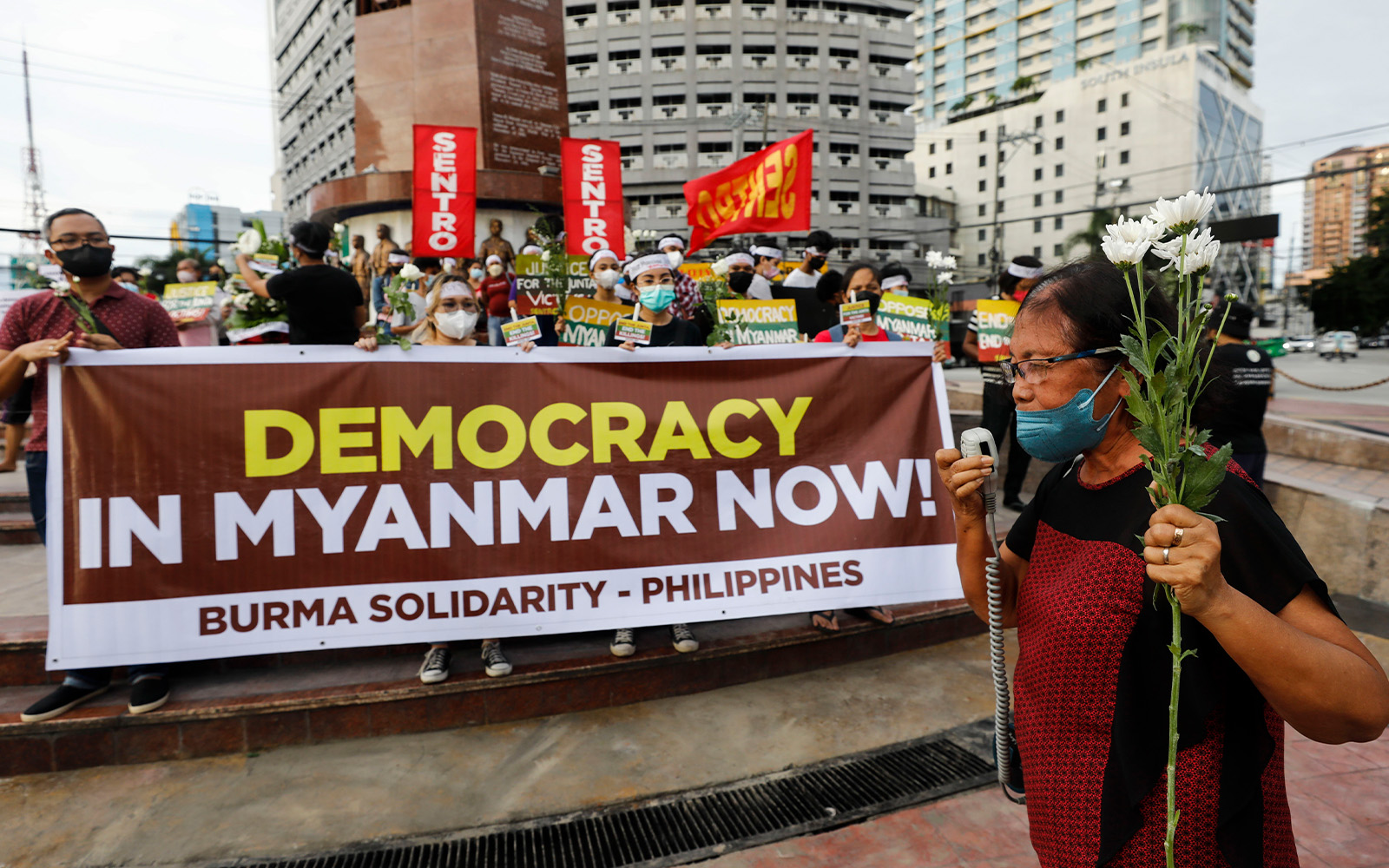
Diplomacy often progresses through incremental changes rather than dramatic shifts. In Myanmar, the recent decision by military authorities to release ethnic Rakhine deportees, following Malaysian diplomatic pressure, exemplifies this nuanced approach. While not a groundbreaking diplomatic achievement, this move demonstrates that Malaysia's continued engagement with Myanmar can yield tangible results.
This development underscores the importance of maintaining communication with governments, even those whose actions one disapproves. Malaysia's engagement with Myanmar’s military leadership, despite international criticism, highlights that dialogue can lead to limited yet measurable improvements. Critics argue that this engagement risks legitimising a regime responsible for human rights abuses, but refusing to communicate may hinder efforts to secure releases, negotiate humanitarian access, and protect vulnerable returnees.
The releases also highlight the potential power of sustained diplomatic pressure. Malaysia raised concerns about its deportees' treatment and sought clarification from Myanmar, leading to the eventual releases. While it remains unclear if Malaysian pressure alone triggered these actions, it suggests that active engagement can influence outcomes. Malaysia's approach should involve dialogue, expectations, verification, and humanitarian safeguards to ensure accountability and protect vulnerable individuals.
However, piecemeal progress should not obscure Myanmar’s broader humanitarian crisis. Despite some concessions, Myanmar remains deeply divided, with the military exercising partial control and ethnic armed groups remaining influential. Repatriation must not be assumed safe merely because some detainees are released. Malaysia must differentiate between voluntary returns and forced deportations that could expose individuals to persecution or recruitment.
Ensuring non-refoulement – the principle of not returning individuals to situations where they face persecution – is crucial.
To strengthen its diplomacy, Malaysia should strengthen monitoring mechanisms for returnees. Diplomatic assurances must be independently verified. Collaborating with UN agencies and humanitarian organisations to establish procedures for safeguarding the welfare of returned individuals, including family contact and access to humanitarian assistance, is essential. Without such verification, Malaysia risks celebrating releases without ensuring their long-term security.
Asean must also translate Malaysia’s incremental progress into collective action. While the Asean Five-Point Consensus has struggled to end Myanmar’s conflict, its objectives of reducing violence, promoting inclusive dialogue, and facilitating humanitarian assistance remain relevant. Malaysia’s bilateral engagement should complement these objectives, not replace them.
As Asean Chair in 2026, the Philippines should explore how diplomatic openings can bolster regional cooperation. Asean needs more than mere expressions of concern; it needs a commitment to translating principles into practical humanitarian outcomes.
Engagement should extend beyond Myanmar’s military leadership. Maintaining communication with the National Unity Government, ethnic armed organisations, civil society, and humanitarian networks is vital. Myanmar’s fragmentation necessitates broader diplomatic efforts. A settlement negotiated exclusively with the military may not gain widespread acceptance. Malaysia must broaden its diplomatic channels while adhering to humanitarian principles.
Ultimately, Malaysia’s approach should be evaluated based on outcomes rather than appearances. While Malaysia cannot resolve Myanmar’s civil war alone, it should not abandon opportunities to secure meaningful improvements in human security. The release of Rakhine deportees is encouraging, but it does not signify a fundamental change in Myanmar.
For the country’s beleaguered people, even modest advancements in human security are significant. The journey towards peace may begin with small humanitarian concessions, not spectacular diplomatic breakthroughs. Nonetheless, genuine, verifiable, and sustainable progress, no matter how incremental, still constitutes progress for Myanmar’s long-suffering population.
Written by urgent.news from Free Malaysia Today's reporting — not their text. Machine-written — may contain errors; check the original before relying on it.
This story
This is one outlet's version. Read the fullest account.
- Baby steps can lead the way to peace in Myanmar freemalaysiatoday.com