Mumbai-Bengaluru Vande Bharat Sleeper Slot Triggers Protest Over 30-Minute Gap In Evening Fast Local Trains
Mumbai, November 02, 2026: The launch of the Mumbai-Bengaluru Vande Bharat Sleeper has reignited a long-standing demand for more suburban trains on the Kasara-Karjat routes, with passenger associations alleging that the new premium service has been accommodated at the cost of evening fast locals. The associations say the train’s 8.10 pm departure from Chhatrapati Shivaji Maharaj Terminus (CSMT)…
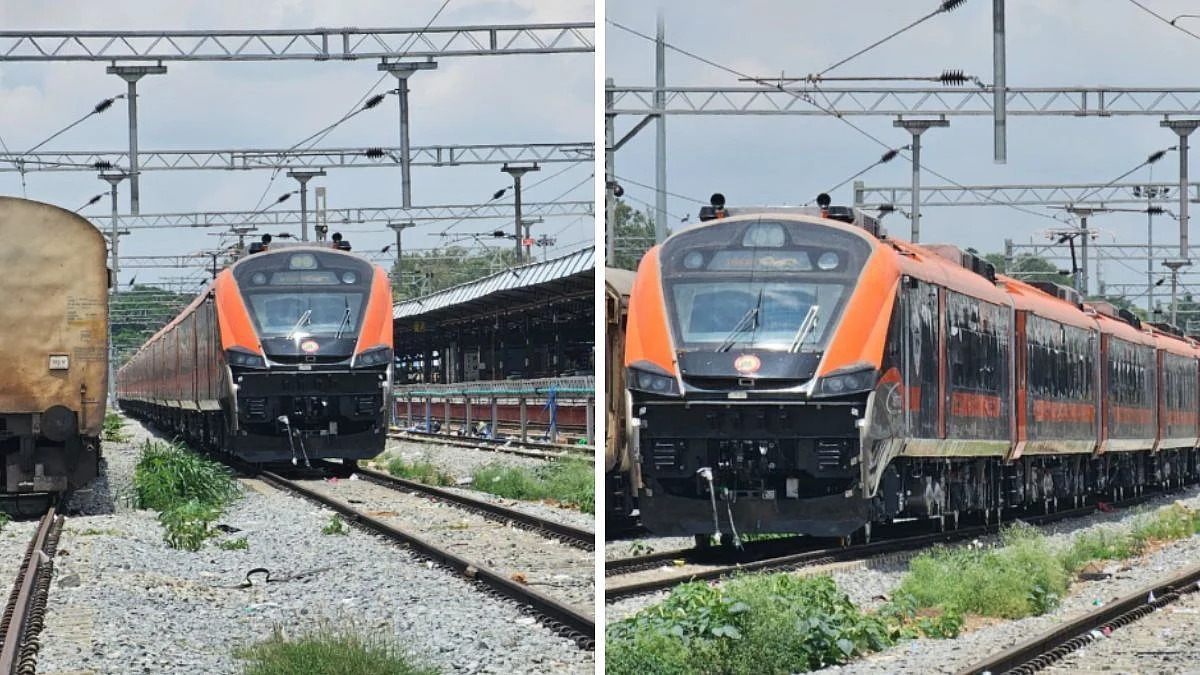
On November 1, 2026, the Vande Bharat Sleeper train made its debut on the Mumbai-Bengaluru route, reigniting a longstanding demand for more suburban trains on the Kasara-Karjat routes. Passenger associations have cited the new premium service as being accommodated at the expense of evening fast locals, alleging that the 8:10 pm departure from Chhatrapati Shivaji Maharaj Terminus will create a nearly 30-minute gap between fast local departures.
The 16-coach sleeper train will cover 1,118 km to Bengaluru in 15 hours and 50 minutes, with a return journey departing Bengaluru at 7:45 pm and arriving in Mumbai at 11:55 am on the following day. Lata Argade, president of a suburban railway passenger association, expressed the demand for additional fast locals in the 8 pm to 8:45 pm slot, stating that commuters were seeking more options to travel towards the outskirts of Mumbai.
The dispute arises amid continuing demands for more services on the Kasara-Karjat section, with the Kalyan-Kasara-Karjat Railway Pravasi Sanghatana writing to Central Railway’s divisional railway manager on October 6 for at least 12 additional suburban services, as the section currently lacks any new suburban locals since 2010. Nearly 10 lakh daily commuters rely on this stretch, and the association has sought more peak-hour locals, shuttle services between Titwala and Kasara, and Badlapur and Karjat, along with additional 12-car fast trains from CSMT, warning of a mass agitation on December 1 if demands are not met.
The railway administration faces a challenge in accommodating growing long-distance demand without further straining the suburban network.
Written by urgent.news from Free Press Journal's reporting — not their text. Machine-written — may contain errors; check the original before relying on it.