As Europe’s right advances, Germany’s AfD rethinks its anti-euro roots
The party's popularity is prompting debate over how to balance an anti-establishment identity with the need to appear as a credible partner to allies.
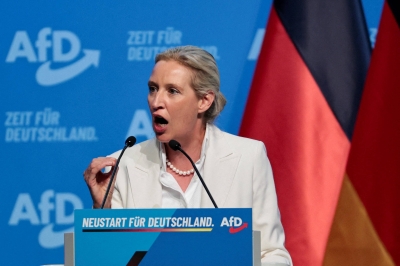
As Germany's far-right Alternative for Germany (AfD) gains influence within the country and across Europe, the party is reconsidering its stance on the euro, which has been a cornerstone of its anti-establishment agenda. The AfD, founded in 2013 amid anger over the euro crisis, began as a movement opposed to the common currency, but has since expanded its criticism to include the European Union itself.
However, the party's most popular element - opposition to immigration - has drawn criticism for straying close to the extreme nationalism that marked Germany's recent history. While the AfD rejects accusations of extremism, many of its members argue that embracing more radical right-wing views could help the party secure the coalition needed to govern at the national level.
The prospect of the AfD entering government before the end of the decade has sparked debate over how the party can balance its anti-establishment identity with the need to appear credible to potential partners at home and abroad. The party's co-leader, Alice Weidel, presented a strategy paper at the European Parliament proposing a "New Deal for Europe" focused on renegotiating treaties to create a looser union.
The paper suggests an "opt-out" mechanism for members who reject common policies on defense spending or immigration, while retaining the euro. Should reforms fail, the paper suggests that the issue of Germany's future European direction would be decided by referendum. This move would see the AfD following the path taken by far-right parties in countries like France and Italy, which have dropped their opposition to the euro as they seek broader appeal.
Austria's far-right Freedom Party, which shares close ties with the AfD, has renounced most of its anti-European positions to join ruling coalitions. Political analysts argue that Germany's economy, driven by exports and intertwined with the global market, makes leaving the EU or the euro zone a disaster. Younger AfD members argue that the party's hardline positions on Europe could complicate its most realistic route to federal power: cooperation with Chancellor Friedrich Merz's conservative Christian Democrats, who currently rule out any alliance.
The party's stance on the euro remains controversial, with some members arguing that it's inevitable the AfD will drop its opposition, while others insist that Europe's changing political realities make cooperation more important than ever.
Written by urgent.news from New Straits Times's reporting — not their text. Machine-written — may contain errors; check the original before relying on it.
This story
This is one outlet's version. Read the fullest account.