6 things I wish I'd known before turning an old laptop into a home server
Learned these the hard way
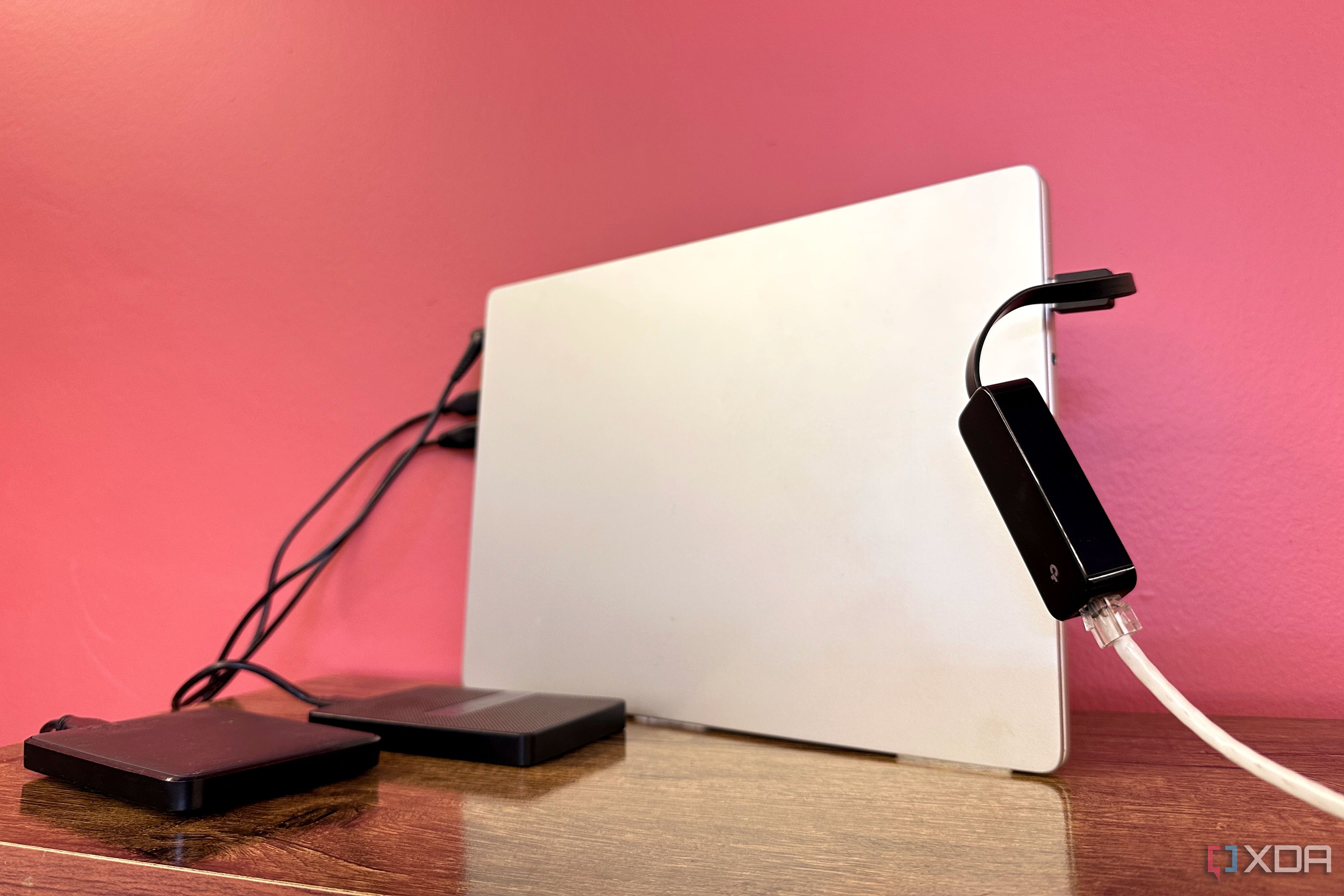
Repurposing an old laptop into a home server can be a rewarding experience, but it s crucial to consider several factors before diving in. Firstly, while installing applications directly on the OS may seem like the simplest route, managing dependencies, configurations, and updates can quickly become overwhelming. Using Docker containers can help alleviate this issue, as they isolate applications and their dependencies, making updating, troubleshooting, and migrating services easier.
However, Docker introduces its own learning curve, particularly when dealing with networking and file permissions. It s best to establish a consistent structure before the server becomes a digital junk drawer.
Secondly, cooling is a significant concern for an old laptop serving as a home server. Dust, aging thermal paste, and worn-out fans can lead to thermal throttling, especially during 24/7 operation. Ensure the laptop s cooling system is clean, fans are functioning properly, and vents have enough room to breathe. Avoid blocking vents with the laptop lid or placing it on soft surfaces.
Additionally, keep an eye on the laptop battery, as constant heat can degrade it over time. If possible, remove the battery and keep the machine plugged into the wall. Constantly monitor the battery for any swelling or deformation.
Finally, consider the network connection. While Wi-Fi offers convenience, it s not ideal for a server expected to run continuously. Wired connections, such as those provided by a USB-to-RJ45 adapter, are more reliable and can eliminate Wi-Fi as a potential source of connectivity issues. Moreover, a wired connection ensures the server remains accessible even if the internet connection goes down, as long as the local network remains operational.
Written by urgent.news from XDA Developers's reporting — not their text. Machine-written — may contain errors; check the original before relying on it.