New restrictions kick in as Delhi battles pollution
New measures include higher parking fees, work-from-home arrangements and restrictions on high-emission vehicles as authorities seek to curb toxic smog in the Indian capital.
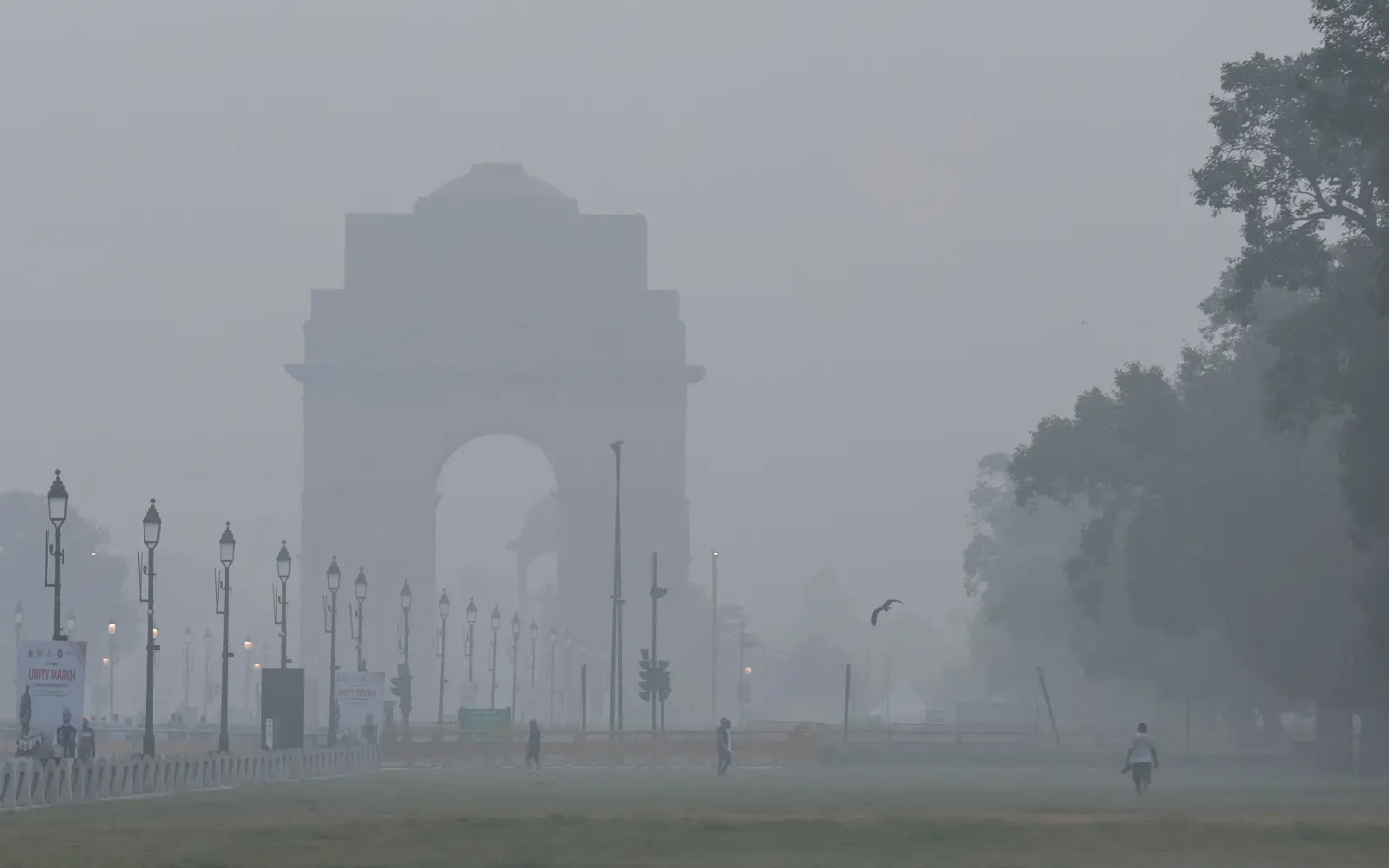
On November 1, New Delhi implemented the Winter Action Plan, enacting stricter pollution controls, intensified enforcement, and round-the-clock monitoring. Authorities announced a series of measures aimed at mitigating the city's notorious smog, which has plagued Delhi for months.
Key provisions include a doubling of parking fees for vehicles and work-from-home orders for government and private sector employees to reduce traffic emissions. Non-compliant vehicles will no longer be permitted to enter the capital. Additionally, a ban on demolition and outdoor construction activities began immediately, while rapid monitoring will take place 24 hours a day.
Chief Minister Rekha Gupta appealed to residents to adhere to the guidelines to help cleanse Delhi's air. The city has been grappling with pollution for years, with past efforts failing to prevent annual smog during November and January. Cool temperatures trap pollutants close to the ground, creating hazardous conditions.
Pollution sources in Delhi include vehicle emissions, coal-fired power plants, industrial activity, construction dust, and crop residue burning in neighboring states. Vehicles contribute to 23% of winter pollution, while biomass burning, such as farm stubble fires, accounts for 20%. Industrial activities, including coal-fired power plants, contribute around 9%.
Levels of PM2.5, toxic particles linked to lung and blood damage, frequently exceed 300 micrograms per cubic meter during peak winter months, 20 times the WHO's recommended limit.
Last year, pollution reached a staggering 846 micrograms per cubic meter, or 56 times the WHO's standard. As of Sunday, PM2.5 levels stood at 201 micrograms per cubic meter, over 13 times the safe threshold, exacerbated by recent rainfall. A 2024 study published in The Lancet Planetary Health linked 3.8 million deaths in India from 2009 to 2019 to air pollution.
Written by urgent.news from Free Malaysia Today's reporting — not their text. Machine-written — may contain errors; check the original before relying on it.
This story
This is one outlet's version. Read the fullest account.
- New restrictions kick in as Delhi battles pollution freemalaysiatoday.com
- Delhi doubles parking fees, orders work from home in winter pollution crackdown malaymail.com
- New restrictions kick in as Delhi battles pollution in winter channelnewsasia.com