Markt: Mehr Rendite, mehr Pleiten: Steigende Zinsen werden zum neuen Stresstest für Private Credit
Investoren im Schattenbankensektor profitieren von steigenden Zinsen. Doch ihre Schuldner geraten dadurch unter Druck. Das Risiko könnten womöglich die Steuerzahler tragen.
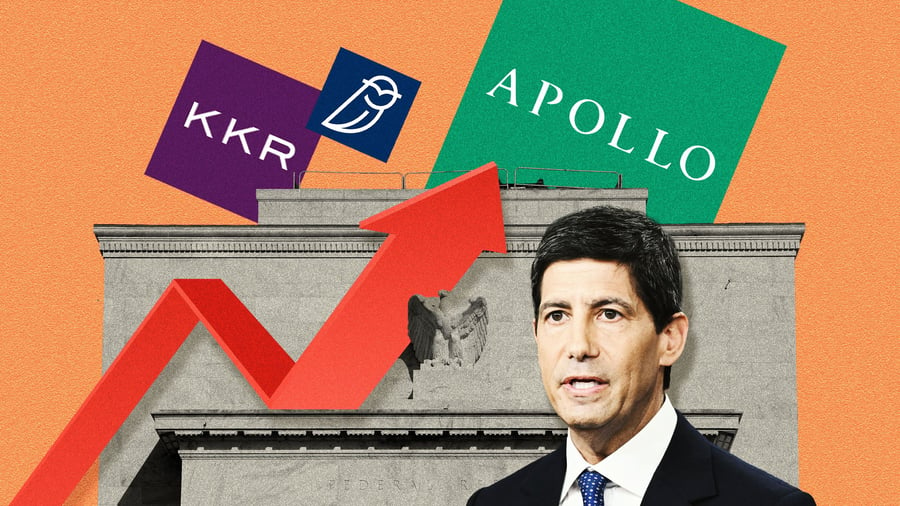
The Federal Reserve (Fed) in the United States has recently reversed a trend of falling interest rates, which could potentially disrupt the private credit market. After increasing the federal funds rate for the first time in over three years in September, the Fed paused its efforts this week, with the next hike expected by the end of the year.
Private credit, often referred to as the "shadow banking sector," typically thrives in higher interest rate environments due to the prevalence of variable-rate loans. However, investor concerns over over-indebted software companies and potential defaults due to AI advancements have caused a decline in the market's valuations following the rate hike.
Despite recent record-high default rates, investors have maintained their appetite for risk, concealing these risks. Private credit experts warn that higher interest rates will strain the refinancing efforts of lower-rated companies in current market conditions. The market is anticipating several interest rate hikes in the coming year, with many believing that the initial focus on software sector concerns masked the more significant shock caused by the Fed's aggressive rate hikes between 2022 and 2023.
Current market conditions are already tense, with over 70% of borrowers having interest coverage ratios below two, indicating limited capacity to absorb additional interest expenses if rates rise.
Written by urgent.news from Handelsblatt's reporting — not their text. Machine-written — may contain errors; check the original before relying on it.