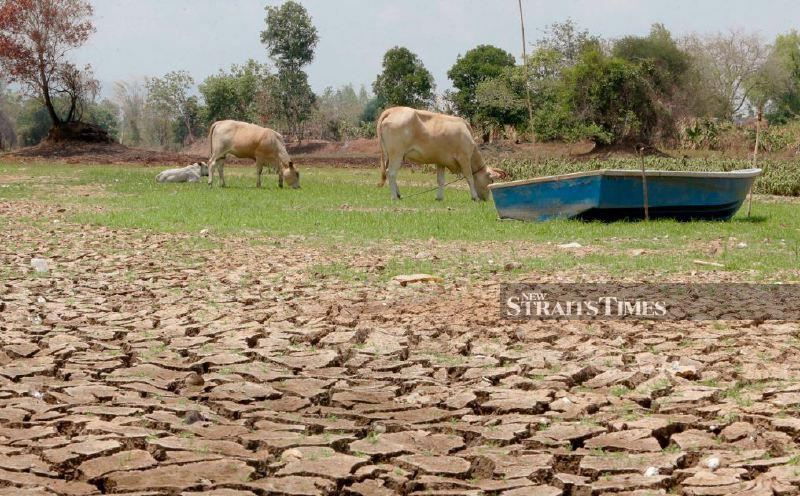
Heavy rain, then heat: Malaysia braces for monsoon floods, with Super El Nino drought to follow from late January
KUALA LUMPUR, Nov 1 — Malaysia is expected to face two different weather challenges in the coming months, starting...

Malaysia anticipates two distinct weather challenges in the upcoming months: heavy rain and potential flood risks during the Northeast Monsoon, followed by the possibility of hotter and drier conditions due to the Super El Nino phenomenon starting late January. The Northeast Monsoon, which began on October 27 and is expected to last until March 2027, is forecast to bring between three and five episodes of continuous heavy rain, especially from November to January, increasing the risk of flooding in low-lying areas and near rivers.
According to climatology expert Professor Emeritus Datuk Dr Azizan Abu Samah, the monsoon typically has two main phases in Peninsular Malaysia, with heavy rain concentrated in the East Coast between November and December before shifting south to Johor and Sarawak in January and February. The influence of El Nino could potentially reduce the intensity and duration of rainfall during the monsoon period, particularly in November and December, thereby possibly lowering the risk of major floods.
However, meteorology expert Prof Emeritus Fredolin Tangang warns that despite the reduction in average rainfall due to El Nino, extreme weather events can still occur, so flood risks need to be closely monitored. MetMalaysia expects the Super El Nino to bring hotter and drier conditions next year, with maximum temperatures potentially exceeding 41 degrees Celsius between late January and March.
This hot and dry weather could increase the risk of forest and peatland fires in northern Borneo, potentially leading to local haze and impacts on water resources. The Timah Tasoh Dam in Perlis and the Muda and Pedu dams in Kedah are at risk of declining water levels if the dry conditions persist, which could have implications for domestic and agricultural water supplies.
The prolonged hot and dry weather also raises concerns about the agricultural sector, particularly off-season rice cultivation in the northern "rice bowl" areas. Experts stress the importance of integrating climate science into disaster management planning, as the El Nino phenomenon can be predicted months in advance, providing authorities with opportunities to prepare for both flood risks during the monsoon and potential hotter and drier weather conditions.
Written by urgent.news from Malay Mail's reporting — not their text. Machine-written — may contain errors; check the original before relying on it.