Day of the Dead: A Mexican Tradition Embraced Across Latin America
In Mexico, the first days of November are filled with cempasúchil flowers, incense, and pan de muerto. Homes, schools, and cemeteries are adorned with altars featuring photographs, candles, and offerings to welcome those who are no longer here. It is the Day of the Dead, one of the country’s most emblematic traditions, declared Intangible Cultural […]
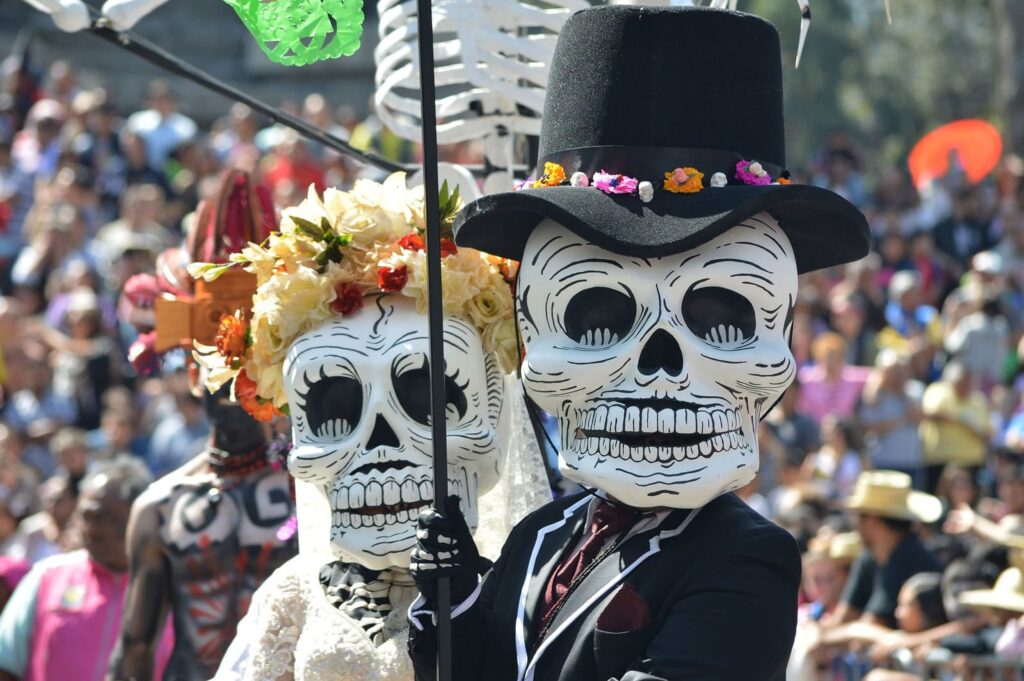
The Day of the Dead, a tradition that began in Mexico, is now widely celebrated across Latin America. This celebration, which highlights the connections between the living and the deceased, was declared an Intangible Cultural Heritage of Humanity by UNESCO in 2008. It is deeply rooted in the cultural heritage of Mexico and has been adopted by various Latin American communities, each adding their unique touch to the festivities.
In Mexico, November is filled with cempasúchil flowers, incense, and the iconic pan de muerto. Homes, schools, and cemeteries are adorned with altars, or ofrendas, which are filled with photographs, candles, and offerings to welcome deceased loved ones back for a brief reunion. The Day of the Dead is more than just a ritual; it is a celebration of life that reaffirms the continuity between the living and the dead, as Mexican poet Octavio Paz eloquently stated, "the cult of life, if it is truly deep and total, is also the cult of death."
Beyond Mexico’s borders, the Day of the Dead has taken on various forms and expressions. In rural communities, the ritual remains intimate and communal, with families visiting cemeteries, lighting candles, sharing meals, and engaging in conversations with their departed loved ones. In urban areas, the celebration may lean more towards symbolism and festivity, yet the core intention remains the same: to honor and remember those who have passed away.
The Day of the Dead is a result of a fusion between two worldviews—the Indigenous Mesoamerican and the Catholic—one introduced by the Spanish conquistadors. Before Hernán Cortés arrived, Indigenous cultures such as the Mexica, Maya, Purépecha, and Totonac already honored their dead. They believed in the continuation of life on another plane, allowing spirits to return periodically to live alongside the living.
During the colonial period, these festivities merged with the Christian calendar, commemorating All Saints’ Day (November 1) and All Souls’ Day (November 2), creating a unique hybrid tradition that blends European solemnity with the joyful rituals of Indigenous peoples.
Today, the Day of the Dead serves as a powerful symbol of remembrance and love, transcending borders and cultural differences. Its popularity has grown significantly through media, migration, and increased international interest in Latin American cultures. Countries like Guatemala, Bolivia, Peru, Ecuador, and Nicaragua have embraced this tradition, incorporating their own local customs and expressions.
From Guatemala's Giant Kite Festival to Bolivia's ñatitas, each country has found ways to intertwine the Day of the Dead with its own cultural identity.
The influence of Mexican culture has played a significant role in revitalizing these local traditions. Schools and museums in many Latin American countries organize altar contests, recreate sugar skulls and catrinas, and host parades or exhibitions inspired by the vibrant imagery of the Day of the Dead. This cultural globalization has helped project the festival as a universal symbol of love, family, and memory, highlighting the enduring human connection to those who have passed on.
Written by urgent.news from Colombia One's reporting — not their text. Machine-written — may contain errors; check the original before relying on it.