Big Apple vs Pearl of the Orient? How higher taxes in New York may open door for Hong Kong
On November 4 last year, Zohran Mamdani won the New York mayoral election on a promise to make the city more affordable, with expanded social programmes funded in part by raising taxes on the city’s wealthiest residents and most profitable corporations. Nearly a year since his upset victory, he has secured one major piece of that agenda: a surcharge on high-end second homes. He also continues to…
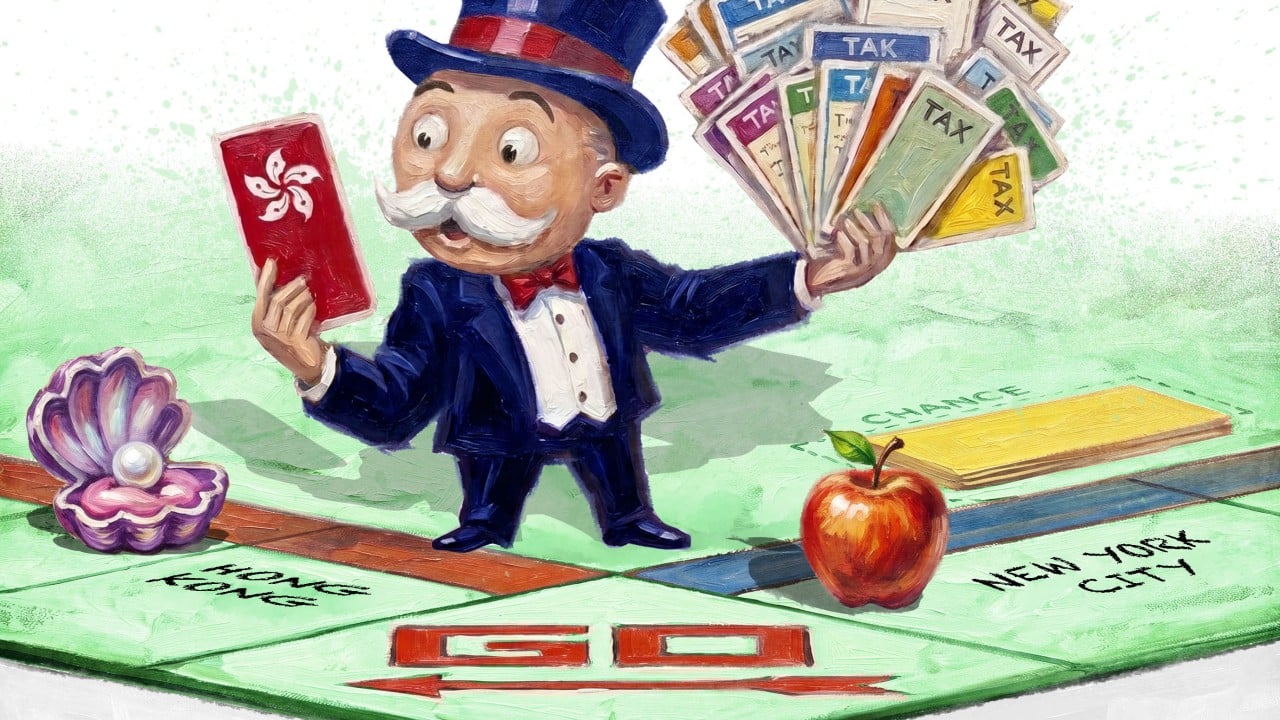
On November 4, Zohran Mamdani won the New York mayoral election by promising affordable living conditions, funded by higher taxes on the wealthy and profitable corporations. Since then, he has proposed a surcharge on high-end second homes, increased income tax rates for those earning over $1 million, and advocated for higher corporate tax rates.
These proposals have drawn criticism from opponents who label them as "socialism in action." In contrast, Hong Kong is actively attracting high-net-worth individuals (HNWIs) by offering tax breaks and other incentives to strengthen its position as a global wealth management center. The city is currently hosting the Global Financial Leaders' Investment Summit, giving it a platform to promote its appeal to wealthy families.
Analysts and scholars argue that New York's tax push provides Hong Kong with a "timely opening" to attract those considering relocating from the US. However, Wall Street voices opposition, with Citadel founder Ken Griffin warning that Mamdani's policies signal that New York "does not welcome success," potentially prompting some firms to relocate their operations elsewhere.
Despite state-level rejection of Mamdani's tax increases, his allies plan to continue pushing for higher taxes in 2027. New York already collects more tax per resident than any other U.S. state, and high living costs and uneven public services may deter wealthy individuals from remaining in the city. Nonetheless, Hong Kong's tax incentives come at a time when wealthy families are reevaluating their bases, potentially giving it an edge in the wealth migration debate.
Written by urgent.news from South China Morning Post's reporting — not their text. Machine-written — may contain errors; check the original before relying on it.
This story
This is one outlet's version. Read the fullest account.