‘Air-con nation’ Singapore eyes alternatives to cool down
Some buildings in the city-state are exploring active chilled beams and radiant cooling to replace compressor units that release hot air into the environment.
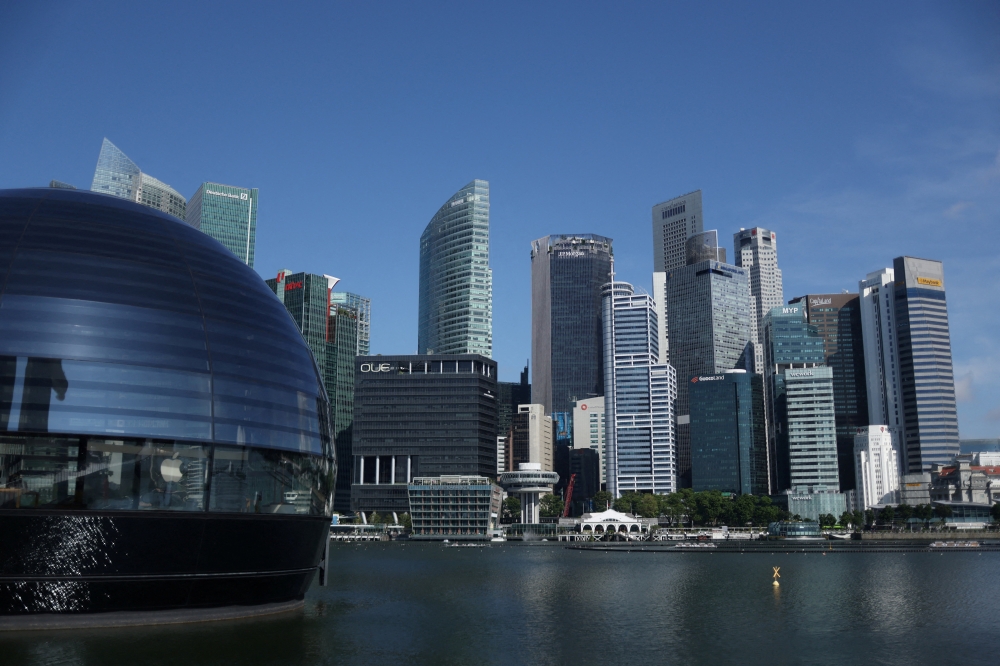
Singapore, known as the "Air-conditioned nation," is exploring alternative cooling methods to reduce its energy consumption. With nearly all private residences equipped with air conditioners, the city-state's local building sector accounts for a fifth of its emissions, and cooling systems consume 40-60% of a building's energy.
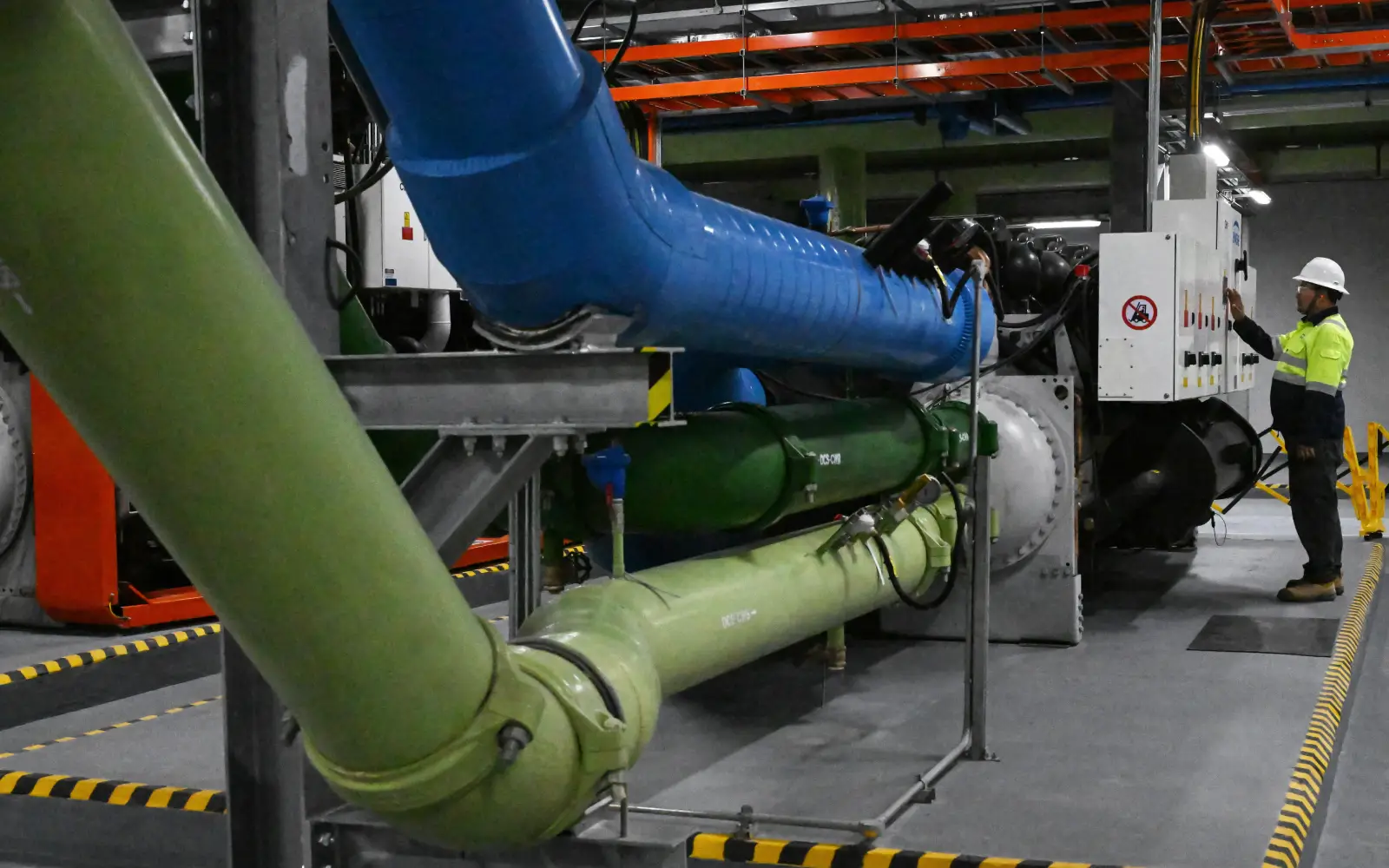
In response, some buildings are adopting active chilled beams, perforated panels with cooling coils mounted on ceilings. These systems cool water down to 9°C and pump it into the coils, while air jets create a low-pressure zone that cools incoming air before recirculation. This technology has been successfully implemented in the Paya Lebar Green building, reducing energy use by over 30% compared to conventional air conditioning.
Another option is passive displacement cooling, which utilizes natural airflow to reduce reliance on mechanical fans. Ceiling cooling coils chill the air, which then sinks and naturally rises back to the coils as it warms, reducing the need for fans and cutting energy use and noise. A similar system is in use at Singapore's ports authority maintenance building.
Radiant cooling, where chilled water flows through pipes or panels to absorb heat radiating from people or objects, is another alternative. This method has been adopted by at least 33 public and 14 private buildings, with Singapore's building authorities aiming for 33 public and 14 private buildings to adopt alternative cooling technologies by mid-2026.
While alternative cooling methods cost more to install, they offer significant energy savings over time. Hybrid cooling, which combines air conditioning with fans at higher temperatures, remains the most popular method. Despite the benefits, the transition to alternative cooling systems faces challenges, including higher installation costs and a need for users to adapt to slightly higher temperatures.
However, experts believe these technologies are a step in the right direction and could eventually incorporate more sophisticated controls, such as predictive systems that adjust temperatures based on real-time conditions.
Written by urgent.news from Free Malaysia Today's reporting — not their text. Machine-written — may contain errors; check the original before relying on it.
This story
This is one outlet's version. Read the fullest account.
- ‘Air-con nation’ Singapore eyes alternatives to cool down freemalaysiatoday.com
- 'Air-con nation' Singapore eyes alternatives to cool down nst.com.my