Singapore air quality recovers after early morning pollution spike, but haze threat persists
SINGAPORE, Nov 1 — Fine particulate pollution across Singapore returned to normal levels this morning after a brie...
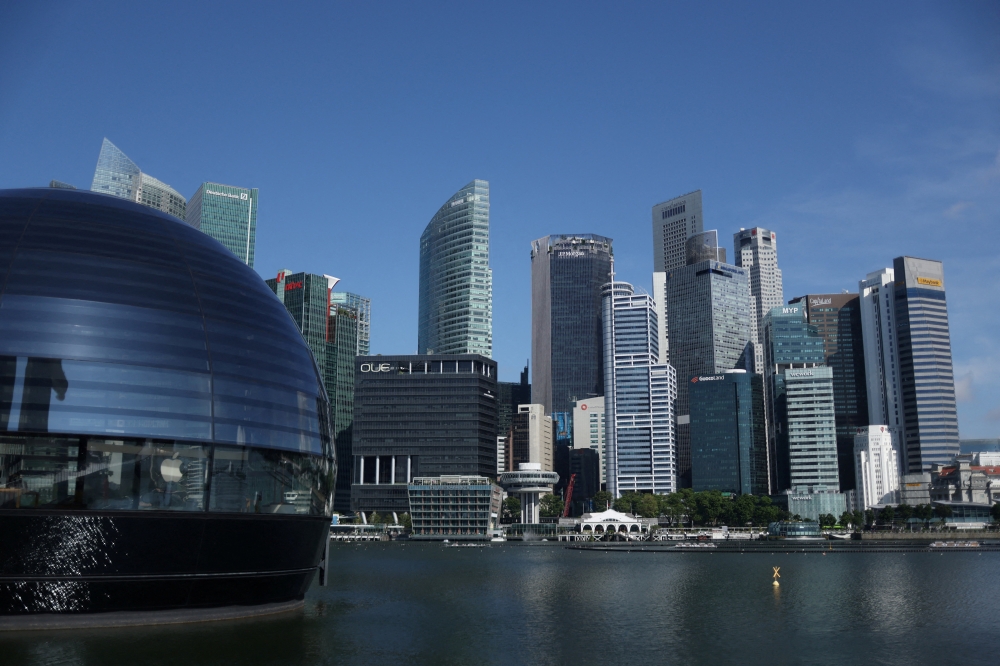
Singapore experienced a brief rise in fine particulate pollution on November 1, reaching elevated levels in the early morning hours. One-hour PM2.5 readings in the western region peaked at 59, placing them in an elevated band. By 11am, readings had dropped back to between 31 and 46, within the normal range. The 24-hour Pollutant Standards Index (PSI), which gauges overall air quality, also remained within the moderate range, between 70 and 88 at 11am.
Singapore's air quality had been good-to-moderate since October 25, following earlier hazy conditions.
The National Environment Agency (NEA) attributed the pollution spike to dry weather across much of southern Southeast Asia, which sparked scattered hotspots in Kalimantan, Indonesia. Moderate smoke plumes were detected in southern Kalimantan and Sumatra, while several Sumatran air quality monitoring stations reported unhealthy pollution levels.
Showers forecasted over parts of Borneo, Sumatra, Java, and Peninsular Malaysia could help reduce hotspots and smoke in the coming days. However, areas with prolonged dry conditions could still face elevated pollution levels, potentially allowing haze to spread across national borders. The NEA forecast Singapore's 24-hour PSI to stay in the moderate range, between 51 and 70, on Sunday, allowing residents to continue their usual outdoor activities.
The agency advised people to consult the 24-hour PSI forecast for outdoor plans and use the latest one-hour PM2.5 readings for immediate conditions. Healthy individuals should reduce strenuous outdoor activity for the next hour during elevated PM2.5 periods. Children, the elderly, pregnant women, and those with chronic heart or lung conditions should avoid strenuous outdoor exertion during such times.
Written by urgent.news from Malay Mail's reporting — not their text. Machine-written — may contain errors; check the original before relying on it.