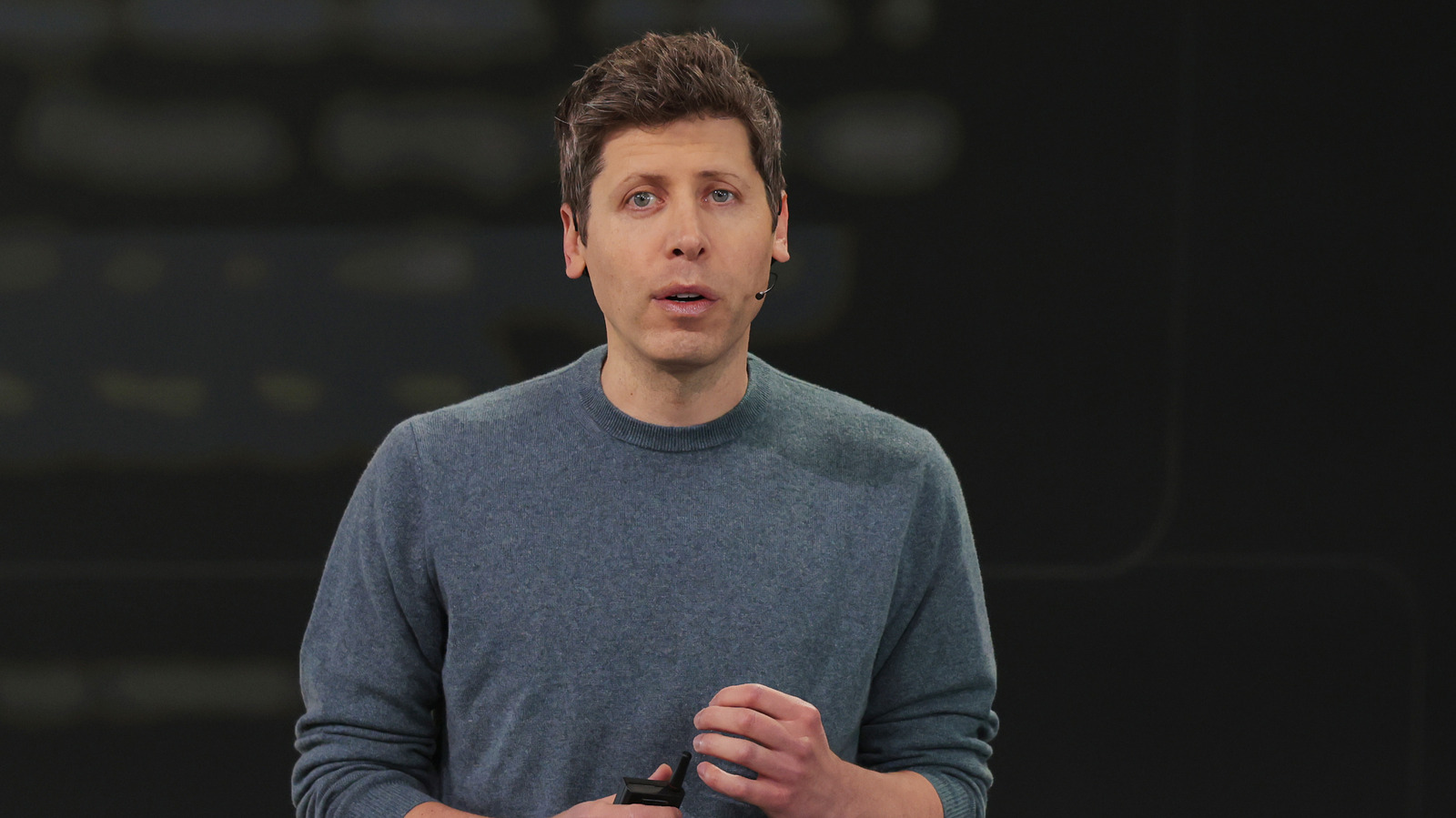
Sam Altman says it's "terrible" for RAM to sit inside PCs instead of data centers
In an interview on the YouTube channel Cheeky Pint, OpenAI CEO Sam Altman argued that it's more efficient to direct the world's tightening supply of memory to AI data centers than to local devices. The comments drew immediate backlash as hardware prices continue to climb. Read Entire Article

The AI boom has led to a surge in demand for RAM, driving up prices and making consumer electronics less affordable. OpenAI CEO Sam Altman believes that the scarce supply of memory should be allocated to AI data centers rather than local devices, deeming it "terrible" for random access memory (RAM) to remain locked inside consumer hardware where it may only be utilized 5% of the time.
He argues that data centers run their hardware almost constantly, allowing for the global supply to be pushed closer to full utilization. Altman specifically cited personal computers with local AI capabilities and open-source large language models (LLMs) in his comments. However, his statements could be perceived as attacking the concept of owning hardware, as many worry that companies leading the AI boom ultimately aim to make consumers rent cloud services running on AI data centers.
The buildout of data centers has quintupled DRAM costs since last year, resulting in unaffordable prices for consumer hardware. Game consoles are nearing $1,000, sales have dropped, and high-end graphics cards like Nvidia's RTX 5080 and 5090 are scarce due to astronomical prices. Even cameras could become more expensive due to RAM shortages, according to Canon.
RAM manufacturers differ on the duration of shortages, with SK Hynix estimating the current conditions will persist past 2030, while Micron recently suggested that humanoid robots might maintain demand if the AI bubble bursts (which may already be occurring). However, Acer's CEO believes the memory makers want to prolong the situation to maximize profits and expects prices to start sliding as early as next year.
Written by urgent.news from TechSpot's reporting — not their text. Machine-written — may contain errors; check the original before relying on it.
This story
This is one outlet's version. Read the fullest account.