Malaysia must watch Saudi Arabia with increased scrutiny
Deterioration in security in the Middle East undermines Malaysia’s economic wellbeing and poses a threat to pilgrims.
The United States has ordered American diplomatic personnel and their families to evacuate Saudi Arabia, citing a deterioration in the security environment in the region. For Malaysia, this development carries significant implications. Saudi Arabia is not just another oil-producing nation; it is a key player in the Gulf Cooperation Council (GCC), the guardian of Islam's two holiest cities, and a vital component of global energy security.
The American decision to withdraw diplomatic staff follows a series of increasingly bold attacks by Yemen's Houthis on Saudi targets, including airports, energy installations, and civilian infrastructure. Despite its advanced military capabilities and substantial resources, Saudi Arabia remains vulnerable to these asymmetric threats.
Malaysia must take notice of this shift in the strategic landscape. The first lesson is that energy security is inextricably linked to national security. Malaysia, while producing its own petroleum and natural gas, remains exposed to disruptions in global energy markets. Higher transportation costs, imported industrial inputs, and inflation could erode domestic purchasing power.
The government's unity approach aims to maintain economic stability, but a prolonged crisis in Saudi Arabia could threaten these gains. The second lesson is the interconnectivity of maritime security. The Strait of Hormuz and Bab el-Mandeb are critical passages for international trade. If these become more perilous, shipping costs, journey times, and operational expenses will rise.
Malaysia, with its strategic location along the Strait of Malacca, cannot escape these repercussions. The third lesson is the effectiveness of asymmetric warfare. The Houthis have shown that even with limited resources, they can cause substantial economic harm through drones, missiles, cyberattacks, and sabotage. Malaysia and ASEAN must enhance the protection of airports, ports, energy facilities, and communications networks.
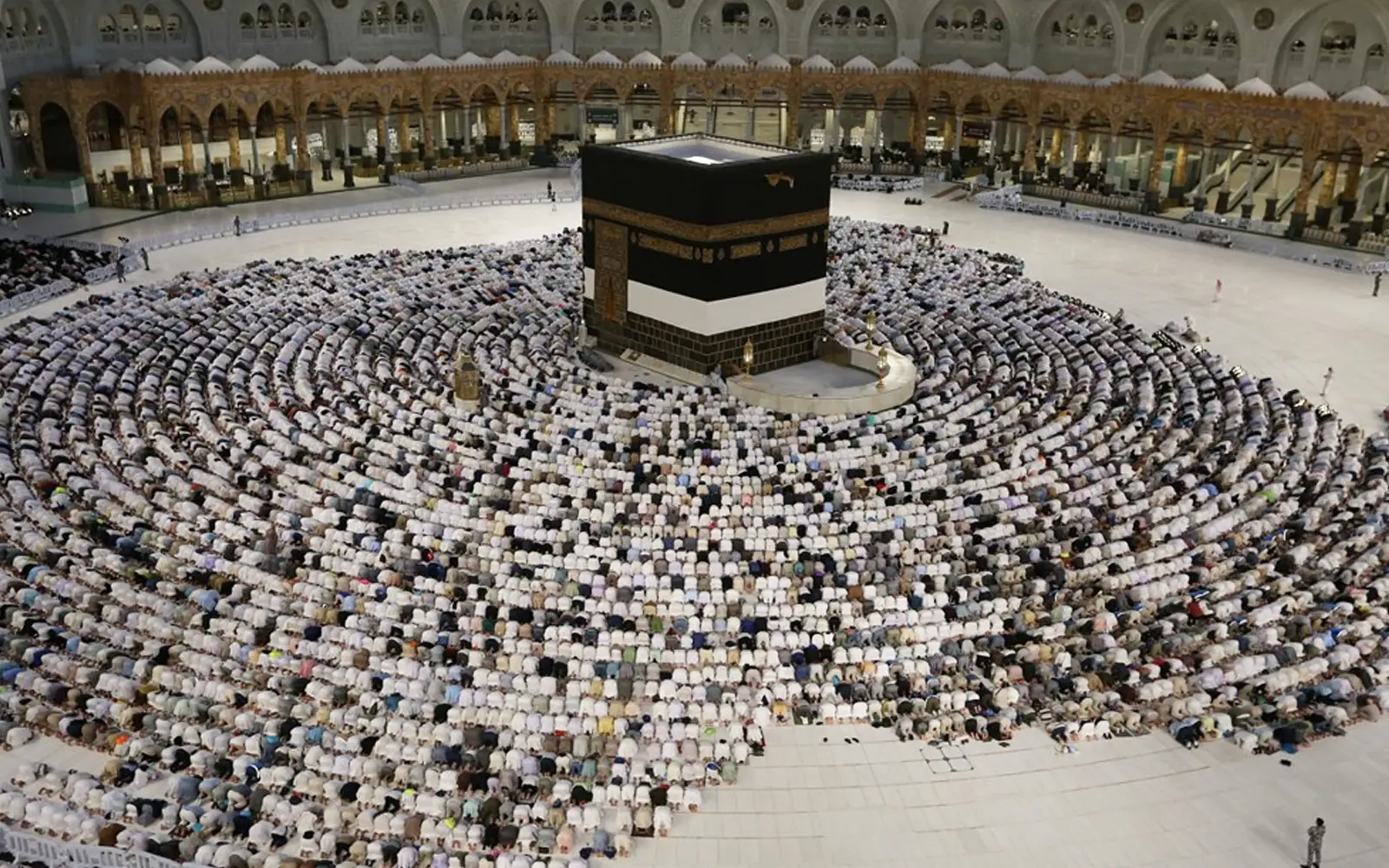
Resilience is just as important as deterrence. The fourth lesson is the impact on Malaysian pilgrims. Mecca and Medina are central to the faith of Malaysian Muslims. Any decline in aviation security or airport operations could complicate religious pilgrimages. Malaysian authorities must improve contingency planning, especially regarding evacuation, flight disruptions, and consular assistance.
The safety of Malaysian citizens must be a top priority. Finally, the American withdrawal highlights the risks of over-reliance on external security guarantees. While the United States remains militarily powerful, its decision to reduce diplomatic presence in Saudi Arabia indicates that even Washington cannot shield allies from all threats.
Malaysia must bolster its strategic partnerships with Saudi Arabia, Turkey, Pakistan, China, and other influential nations to ensure a more secure and stable region.
Written by urgent.news from Free Malaysia Today's reporting — not their text. Machine-written — may contain errors; check the original before relying on it.
This story
This is one outlet's version. Read the fullest account.
- Saudi oil keeps flowing despite attacks, say trackers: Why counting barrels is not easy gulfnews.com
- US orders non-emergency staff to leave Saudi Arabia after Houthi attacks on airports peopledaily.digital
- Malaysia must watch Saudi Arabia with increased scrutiny freemalaysiatoday.com
- Nigerians expect today's report on your Saudi Arabia trip - Atiku's aide to Tinubu dailypost.ng
- Saudi Arabia tanker oil loadings rise to highest level since February hellenicshippingnews.com
- US orders non-emergency staff to leave Saudi Arabia over security risks al-monitor.com
- US orders non-emergency staff to leave Saudi Arabia over security risks jpost.com
- Saudi Arabia implements 62 water security projects in 14 Yemeni provinces english.ajel.sa