The women who won’t let go: Female-led resistance to development harms across Asia
BANGKOK — Now in her mid-70s, Sompong Viengchan has seen 16 prime ministers and 26 cabinets come and go during her fight against a dam upstream of her village. Governments change; her demand for justice remains. Since 1990, Sompong and her neighbors along the Mun and Mekong rivers have fought relentlessly to prove that the […]
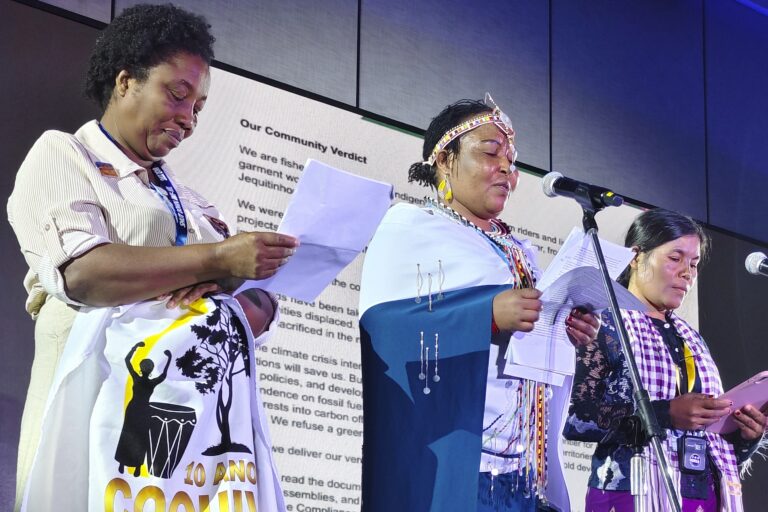
Sompong Viengchan, now in her mid-70s, has endured 16 prime ministers and 26 cabinets during her battle against a dam upstream of her village. For two decades, she and her community along the Mun and Mekong rivers have resisted the 136 MW Pak Mun Dam, claiming it eradicated their means of subsistence. At a people's tribunal in Bangkok, attended by 400 women land defenders from over 30 countries, Sompong recounted the plight of her fellow villagers to the assembled audience.
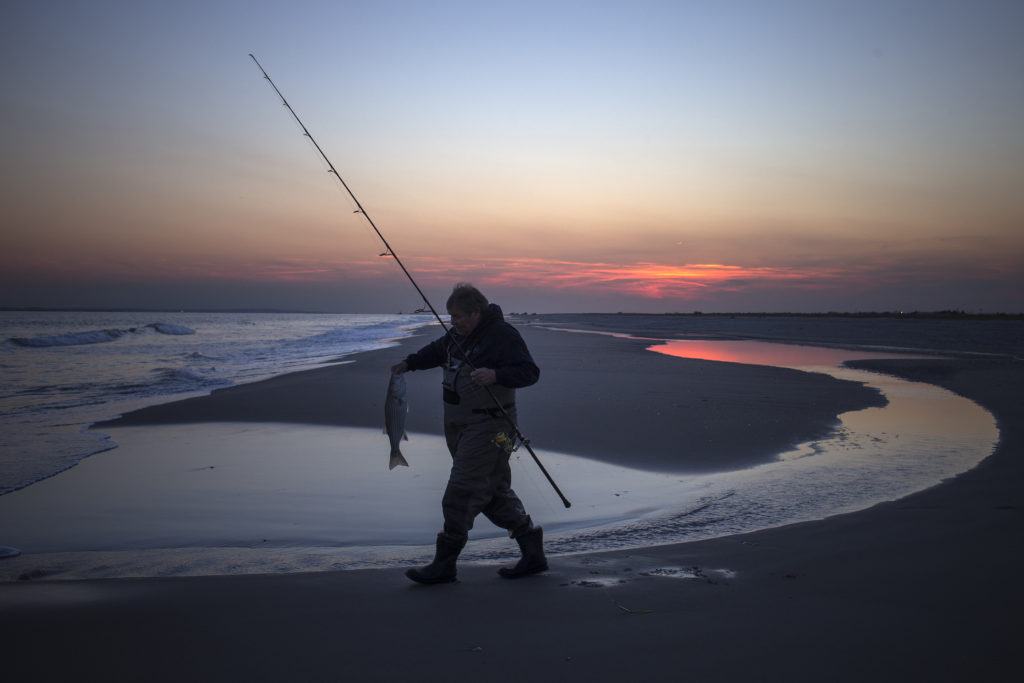
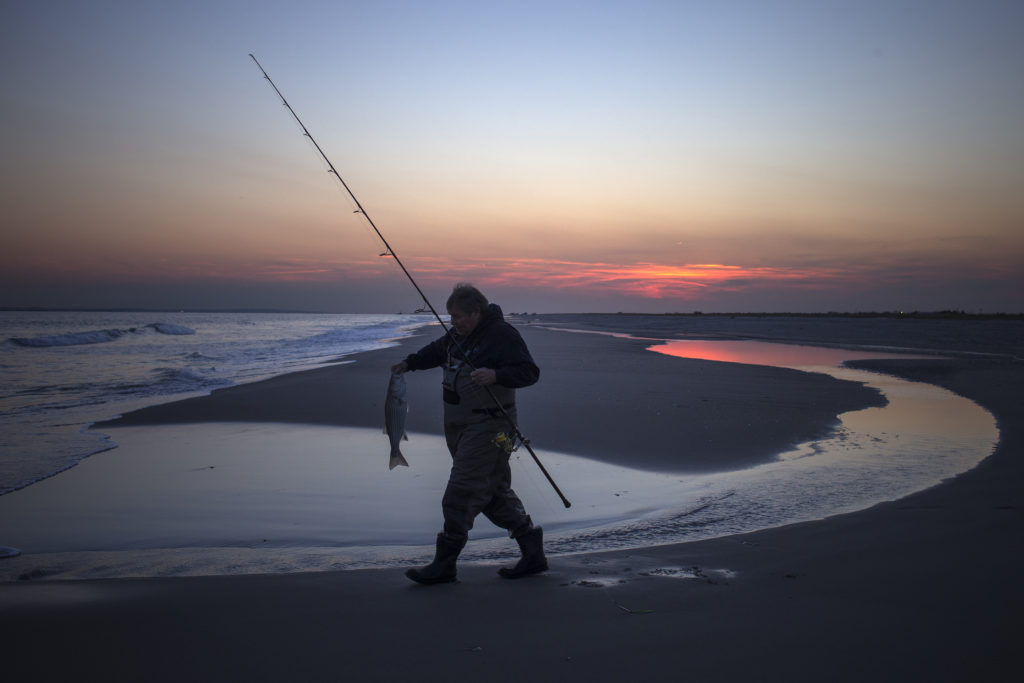
"Downstream, we have no arable land; we depend on fishing for our survival," she declared. "The construction of the dam caused the disappearance of local fish, plunging us into financial ruin. We lost our investments and were ensnared in debt, rendering our livelihoods unsustainable. Children were compelled to seek employment in distant cities, and when floods struck, our entire community was displaced."
In 2000, the World Commission on Dams, a joint initiative of the World Bank and the International Union for Conservation of Nature, concluded that the dam displaced approximately 1,700 households and reduced fish catches by 60-80% both in the reservoir and upstream. Sompong's impassioned plea resonated: "Constructing a dam is akin to burying someone alive. It doesn't claim a life instantly, but it erodes one's very essence."
Written by urgent.news from Mongabay's reporting — not their text. Machine-written — may contain errors; check the original before relying on it.