The US Air Force wants to use AI to help with its mid-air refuelling problems
The US Air Force wants artificial intelligence to identify aerial refuelling mistakes, improve pilot training and reduce dependence on human assessments.
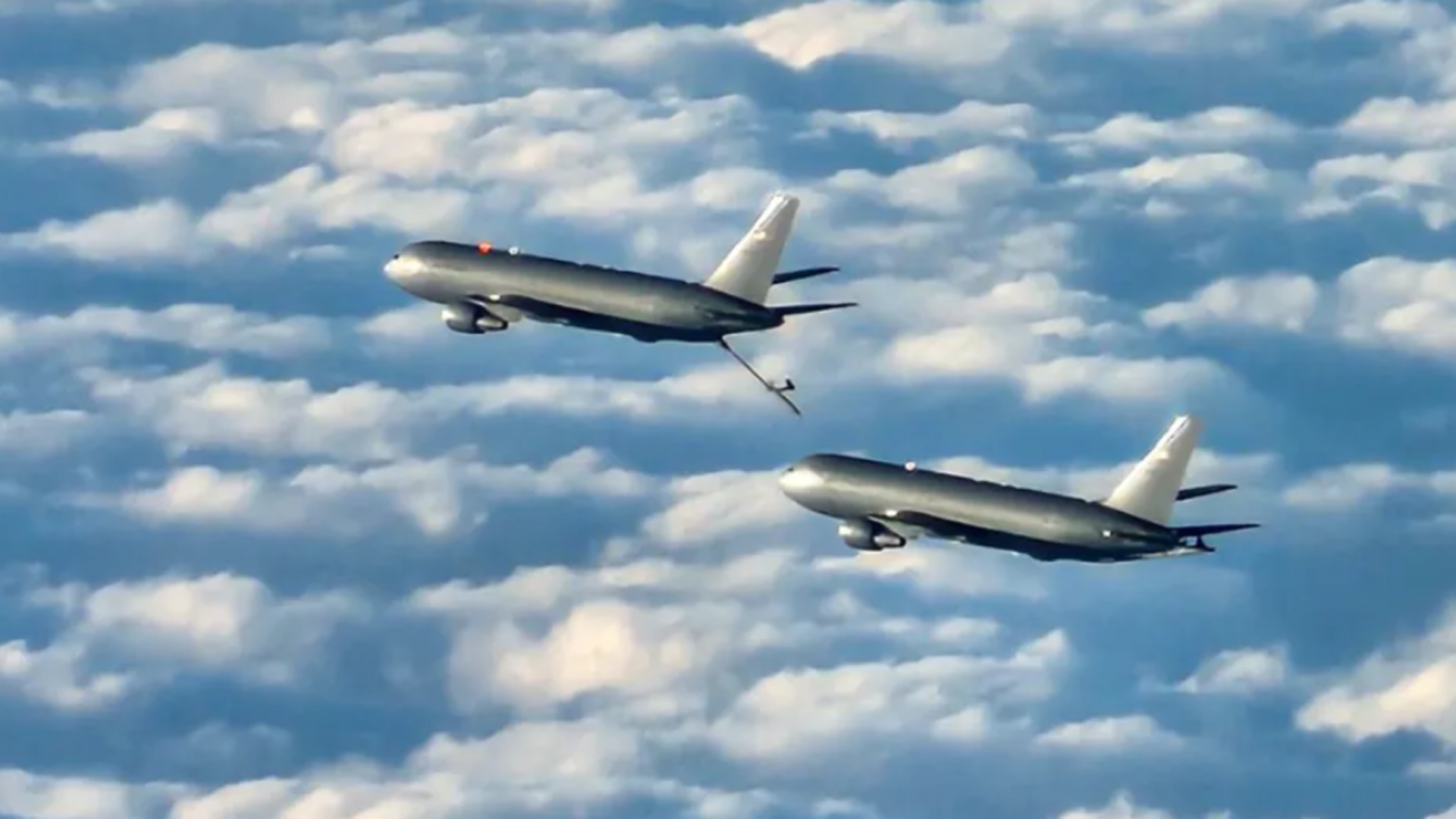
The US Air Force is pursuing the development of artificial intelligence technology to enhance the precision and safety of mid-air refuelling operations. Camera footage from tanker aircraft would feed data to an automated system analyzing critical aspects of the fuel transfer process, such as aircraft speed, alignment, positioning, and approach velocity. The AI would scrutinize flight maneuvers and operational errors, identifying missteps that conventional assessments might miss.
By monitoring interactions between tanker aircraft and receiving receivers, the system would scrutinize aircraft movements, separation and alignment, and examine the refuelling boom's trajectory to prevent dangerous deviations during fuel delivery. Measurements would include key variables like aircraft speed and alignment, enabling instructors to analyze specific maneuvers rather than relying on general observations.
Currently, assessments of refuelling missions heavily depend on instructor observations, crew evaluations, and manual analysis of recorded footage. This often leads to inconsistent judgments, especially when interpreters disagree or overlook minor errors during complex operations. The AI-powered system aims to provide more consistent evaluations, offering graphical overlays, color-coded performance maps, and chronological displays that pinpoint significant events during individual refuelling exercises.
The project, part of the Small Business Innovation Research program, seeks companies to develop technological solutions tailored to specific military requirements. Interested developers have until November 25, 2026, to submit proposals detailing how their systems could meet the Air Force's operational and training needs. The initial focus will be on the KC-46 Pegasus, an aircraft equipped with cameras for remotely controlled fuel transfer operations.
Its existing viewing technology has faced technical challenges, but officials anticipate most issues will be resolved soon.
Developers will need to create interactive review environments that allow pilots and instructors to examine maneuvers from various angles. Future applications may include integration with flight simulators, virtual reality, and augmented reality training platforms already utilized for aviation instruction. The Air Force seeks an operational prototype suitable for integration with existing training arrangements for at least one category of receiving aircraft, with potential extensions to automated assessments of other aviation activities within the Department of Defense.
Written by urgent.news from TechRadar's reporting — not their text. Machine-written — may contain errors; check the original before relying on it.