The Key Climate Issues to Watch In The Midterm Elections
Climate change might not be top of mind for most voters, but that doesn't mean the midterm elections won't have an impact on our planet.
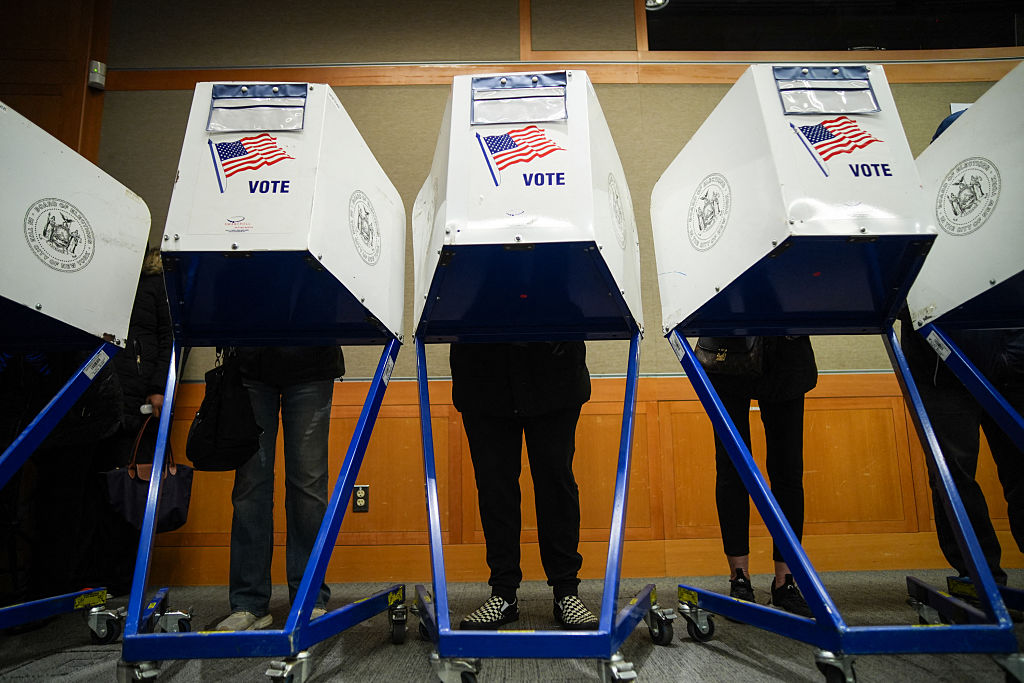
As the midterm elections approach, climate action is not the primary concern for most voters. A recent poll revealed that the economy, health care, and the Iran war are the main issues on voters' minds. However, despite this, the climate crisis remains relevant in the political landscape.
The Trump Administration has taken several steps backward on climate issues, such as withdrawing from the Paris Agreement, reversing the endangerment finding, and leasing public lands for fossil fuel extraction. With Democrats more likely to prioritize climate action, climate advocates are hopeful that a Democratic-led Congress may help prevent further rollbacks.
With 435 House seats and 35 Senate seats up for election, Democrats need a net gain of four seats to control the Senate. While federal climate policy may not change much under Trump, state-level elections could still lead to local climate actions, especially if Democrats manage to take a "trifecta" (control of the governor's mansion and both chambers).
In recent history, states with Democratic trifectas have passed transformative climate policies. For instance, in Colorado, Amendment 82 proposes a constitutional right to buy and sell natural gas, potentially challenging state climate policies by promoting fossil fuel reliance. Conversely, in Michigan, a ballot measure aims to limit utilities' political influence, which has previously hindered community solar expansion.
Voters in Oregon, Eugene, will decide whether to tax large corporate retailers to fund climate resilience projects, a measure supported by climate advocates due to the energy and water consumption of data centers. These ballot measures could serve as bellwethers, testing theories of state-level climate policy approaches.
Two major concerns for voters, the Iran war and data center construction, may also present opportunities for climate-friendly policies. The war's energy crisis may encourage the adoption of renewable energy sources, while opposition to data centers—major energy and water consumers—could foster climate advocacy.
Written by urgent.news from Time's reporting — not their text. Machine-written — may contain errors; check the original before relying on it.