Why permanent daylight saving time is a bad idea for health
With clocks changing this weekend, NYU Meyers professor Susan Malone explains why permanent daylight saving time isn’t optimal for our health.
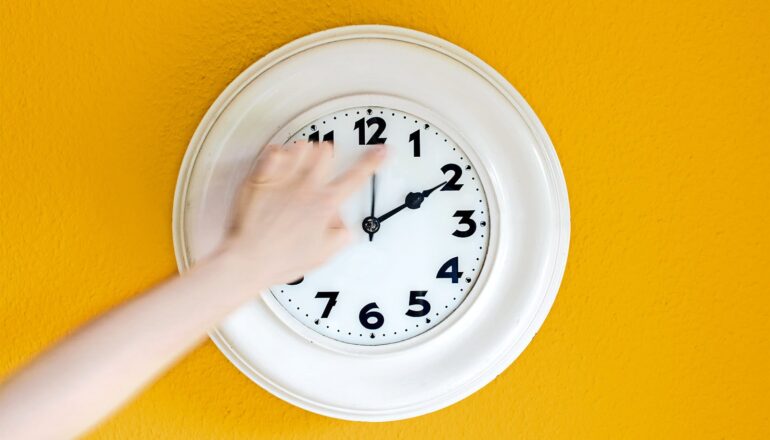
On this Sunday, the clocks will advance back an hour, reigniting the debate surrounding daylight saving time. In July, the U.S. House of Representatives backed the Sunshine Protection Act, pushing for permanent daylight saving time. Yet, research indicates that daylight saving time fails to save energy or boost productivity. Sleep researchers, such as Susan Kohl Malone, an assistant professor at New York University's Rory Meyers College of Nursing, concur that daylight saving time contradicts our natural biology.
The later sunrise resulting from daylight saving time "disrupts our natural biological rhythms," Malone explains. "We require morning sunlight to kickstart our day," she adds.
Malone also points out that springing the clock forward has its own drawbacks, including a rise in car accidents and heart attacks within the week following the change. "Adjusting clock times is detrimental to our well-being," she writes in the Boston Globe regarding the Senate bill. "A brighter winter evening is not worth a darker, groggier, and less healthy winter morning."
Written by urgent.news from Futurity's reporting — not their text. Machine-written — may contain errors; check the original before relying on it.