Customizable DNA labels can selectively guide drug carriers to cancer cells
Cells naturally send tiny packages to one another to share information. Researchers at Carnegie Mellon University have developed a simple, low-cost way to turn those packages into drug carriers that can deliver treatments directly to cancer cells, potentially improving effectiveness while reducing side effects.

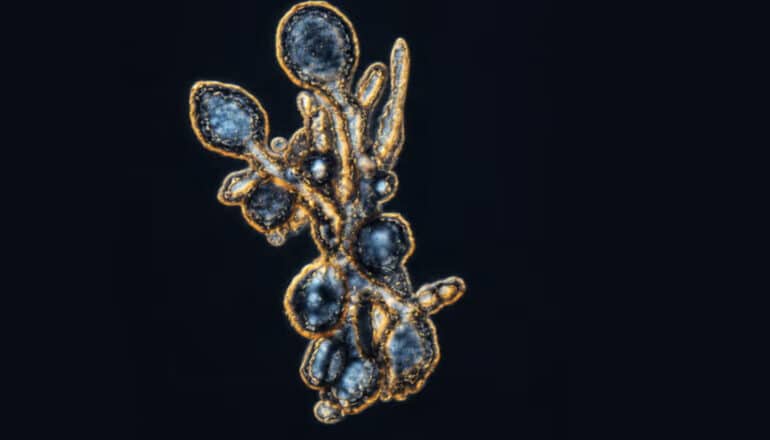
Researchers at Carnegie Mellon University have devised a cost-effective method to transform cellular transport vesicles, naturally occurring structures within cells, into targeted drug delivery agents for cancer. These vesicles, known as extracellular vesicles (EVs), are already adept at transporting proteins, nucleic acids, and other molecules throughout the body.
However, their use in drug delivery has been hindered by a tendency to accumulate in non-target tissues, limiting their therapeutic efficacy. The team's innovative solution, called EZON (Easy OligoNucleotide) EV modification, introduces a dual-function DNA tether to EVs. This tether serves two purposes: it anchors to proteins on the EV surface to prevent nonspecific cell binding and functions as an address label to guide the modified EVs to specific cancer cells.
The simplicity and affordability of this platform make it accessible to researchers working with mammalian EVs, allowing them to deploy the technology in just a few hours using readily available materials. By altering the DNA sequence, researchers can also adapt the EVs to target different cell types, expanding the potential applications beyond cancer to include other conditions like immune diseases.
This breakthrough, published in ACS Applied Bio Materials, promises to accelerate the development of more precise cancer treatments and affordable EV-based therapies.
Written by urgent.news from Phys.org's reporting — not their text. Machine-written — may contain errors; check the original before relying on it.