GOVERNANCE FIASCO OP-ED: Bronkhorstspruit gastro outbreak: A failure to keep people safe
With 833 people seeking treatment, Bronkhorstspruit’s outbreak highlights how failures in water treatment and government leadership put vulnerable communities at risk.
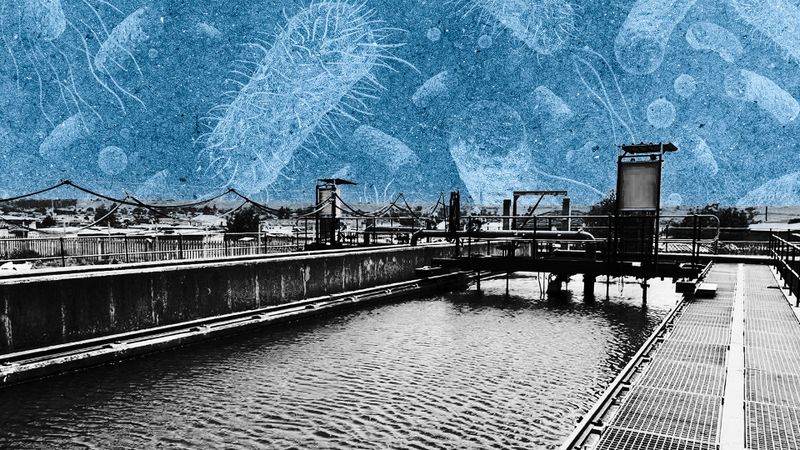
A water-related outbreak in Bronkhorstspruit has exposed serious shortcomings in water treatment and government leadership, putting vulnerable communities at risk. According to Water and Sanitation Minister Pemmy Majodina, as of October 26, 2026, 833 individuals had sought treatment for gastrointestinal illness linked to the local water supply. Despite this, Majodina maintains that there is no outbreak, no deaths, and no critically ill patients.
The crisis stems from multiple failures in water treatment processes and government oversight. The local wastewater treatment plant, Rooiwal, had been in a state of disrepair for over two decades before finally breaking down completely by 2011. Inadequate repairs and a flawed tender process in 2019 further exacerbated the problem, leading to the contamination of water systems serving thousands of homes, schools, hospitals, and other facilities.
The situation worsened in May 2023 when a cholera outbreak in Hammanskraal resulted in fatalities. Only after months of political promises and intense public pressure did authorities establish a system of water tankers to provide residents with safe drinking water. However, three years later, Bronkhorstspruit residents are once again facing health risks linked to an unsafe municipal water supply.
The June 2023 Blue Drop Watch Report revealed that 50% of sampled municipalities had poor or bad microbiological water quality, up from 10% in 2012. In 2023, only 26 out of 958 water supply systems received certification, with 46% failing to meet microbiological standards. In critical states, 63 water services authorities received non-compliance letters requiring corrective action plans.
In Bronkhorstspruit, the failure to maintain chlorination supplies led to the water treatment works operating without chlorination for weeks, putting the entire community at risk. The residents were not warned about the potential dangers of their water supply, and the mayor's insistence that there is no outbreak, despite the reported cases, raises serious questions about her understanding of public health responsibilities.
Recognizing an outbreak does not require deaths, as any deviation from the expected level of disease in a population constitutes an outbreak. In this case, hundreds of people have become ill, and the minister's dismissal of the situation as non-outbreak-worthy is scientifically indefensible and raises concerns about her competence in her role.
The lack of deaths should not be used to deny the seriousness of a public health crisis. This outbreak, characterized by hundreds of people falling ill due to contaminated drinking water, demands urgent investigation, accountability for those responsible, and transparent communication with the public. Minimizing the crisis by confusing the public about what constitutes an outbreak only shifts blame and fails to address the underlying issues.
Safe water is a fundamental requirement for public health, and its failure has a disproportionate impact on disadvantaged communities, particularly young children who are more susceptible to diarrheal illnesses that can lead to malnutrition.
Written by urgent.news from Daily Maverick's reporting — not their text. Machine-written — may contain errors; check the original before relying on it.