Lage im Überblick: Netanjahu bei Wahl vorn - aber ohne Mehrheit
Bleibt Israels Ministerpräsident Netanjahu an der Macht? Oder kommt es zum Regierungswechsel? Der Politikveteran gibt sich in der Wahlnacht trotz unklarem Ausgang siegesgewiss - und droht dem Iran.
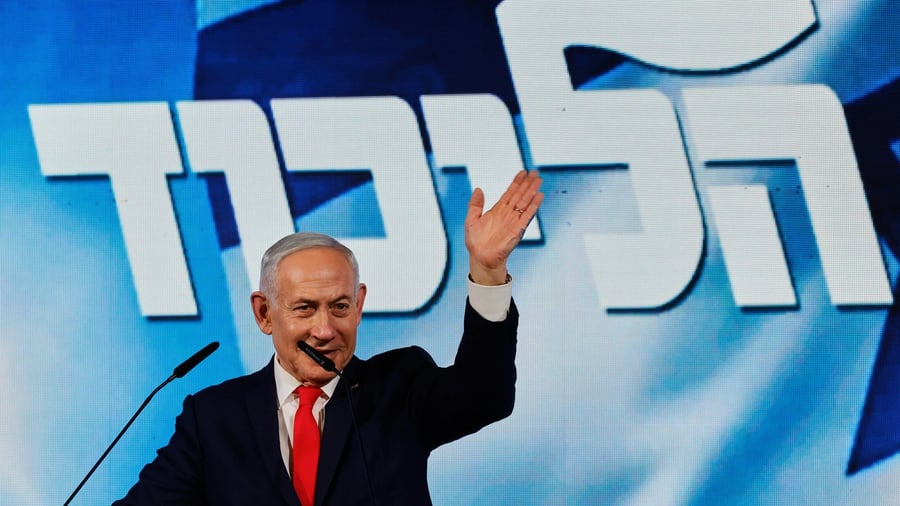
In Israel's historic parliamentary election, Prime Minister Benjamin Netanyahu's right-wing and religious coalition lost their majority, according to predictions. However, Netanyahu maintains confidence in his victory. His right-leaning Likud party claims to be "Israel's largest party" and the strongest force in parliament, stating that they would remain the largest party even if they did not achieve a majority.
The Center Party, led by former military chief Gadi Eisenkot, also failed to secure a majority. The government formation process is expected to be challenging, with Eisenkot urging Netanyahu to step down due to his coalition lacking the people's trust. Netanyahu counters by claiming that his right-wing coalition has a clear majority among the Jewish population and stresses the need to wait for the vote count.
Eisenkot would need to rely on the support of Arab parties for government formation, either as coalition partners or by accepting a minority government. While a combination of opposition parties with Arab support could still form a government, not all forces in the opposition are ready to collaborate. Netanyahu demands a government without Arab parties, accusing them of agitating against Israel's existence, describing the Palestinian terrorist organization Hamas as a charitable organization, and portraying Israeli soldiers as war criminals.
He also warns that the threat posed by Iran's "fanatical regime" remains unresolved, stating that as long as the regime exists, Iran will continue attempting to destroy Israel. Together with the US, Israel must eliminate this threat, Netanyahu asserts. Since last year, Israel and the US have engaged in two wars against Iran, with the latest beginning in February.
Speculation arises regarding the potential for a new war with Iran, following the upcoming US midterms on November 3. It is speculated that the US may push for a large-scale attack after the midterms, though President Donald Trump has not yet made a final decision. A joint attack with Israel might target Iran's infrastructure and nuclear facilities.
Alternatively, an attempt to reach an agreement with Iran's leadership could be made, although diplomatic efforts by regional mediators have not yielded results so far.
Written by urgent.news from Handelsblatt's reporting — not their text. Machine-written — may contain errors; check the original before relying on it.