Common chemicals may alter how breast tissue develops
A new study reveals that exposure to common chemicals may change the development of normal human breast tissue, potentially influencing susceptibility to breast disease later in life. Published in the Proceedings of the National Academy of Sciences, the findings open avenues for scientists to explore whether these molecular changes persist in human tissues, contribute to disease, and if they could serve as biomarkers for breast cancer risk assessment.
Professor Charlotte Kuperwasser, the study's senior author and a Tufts University professor, suggests these findings could reshape cancer prevention strategies. While research on endocrine-disrupting chemicals and breast cancer risk has grown, most evidence stems from animal studies or lab cells, not fully representing human tissue's complexity.
Kuperwasser highlights the breast's unusual development pattern, undergoing significant changes after birth, especially during puberty and pregnancy. These periods may make breast tissue cells particularly sensitive to environmental factors like chemical exposure.
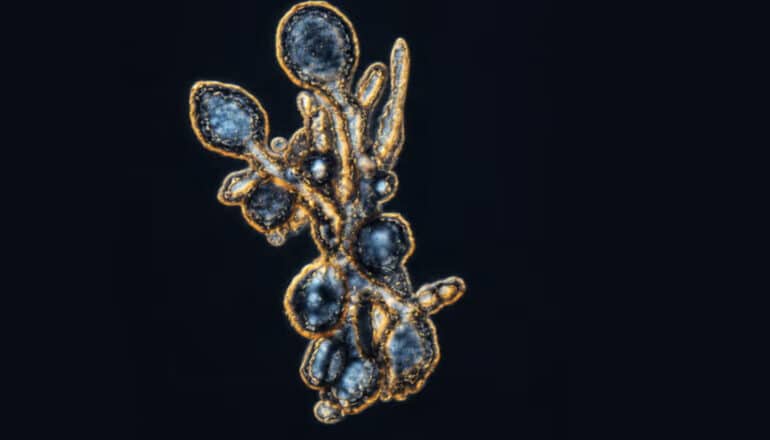
To capture this complexity, researchers used 3D organoids derived from breast tissue of 13 healthy young women. These organoids, which contain various breast cell types, can mimic aspects of human breast tissue development. Over about three weeks, the organoids were exposed to individual chemicals and mixed combinations, including endocrine disruptors, metabolic affectors, and carcinogens, at concentrations similar to those found in human blood and urine. Molecular changes, including gene activity and DNA modifications, were then analyzed.
The most significant finding involved three common bisphenols: BPA, BPS, and BPF. Alone, these chemicals caused few changes, but their low-concentration mix disrupted normal breast development in most donors. The team compared these changes to human breast cancer data, finding a strong association with invasive lobular carcinoma, a type of breast cancer often difficult to detect early.
While the study doesn't prove the chemicals cause cancer, it demonstrates a new approach to studying environmental exposures' impact on human tissue before cancer develops. Kuperwasser emphasizes that historically, cancer risk has been linked to inherited mutations, lifestyle factors, and direct DNA damage. However, these findings suggest that subtle changes in how normal tissues develop could make tissue more susceptible to cancer later.
Such molecular changes might serve as a "scar" of past exposure, potentially identifying higher-risk individuals and guiding earlier or more targeted screening. Further research involving larger, more diverse groups and a wider array of chemicals is essential to confirm these findings and their implications for breast disease risk in humans.
Written by urgent.news from Futurity's reporting — not their text. Machine-written — may contain errors; check the original before relying on it.