In Pakistan’s Punjab, toxic air threatens wildlife amid a monitoring blind spot
Each November, a suffocating blanket of particulate matter envelops Pakistan’s Punjab province, turning the sky into a hazardous grey canopy. While the public health catastrophe for more than 20 million residents rightfully dominates headlines, a silent crisis unfolds across the region’s agricultural fields, urban green spaces and remaining wetlands. We know exactly what this toxic […]
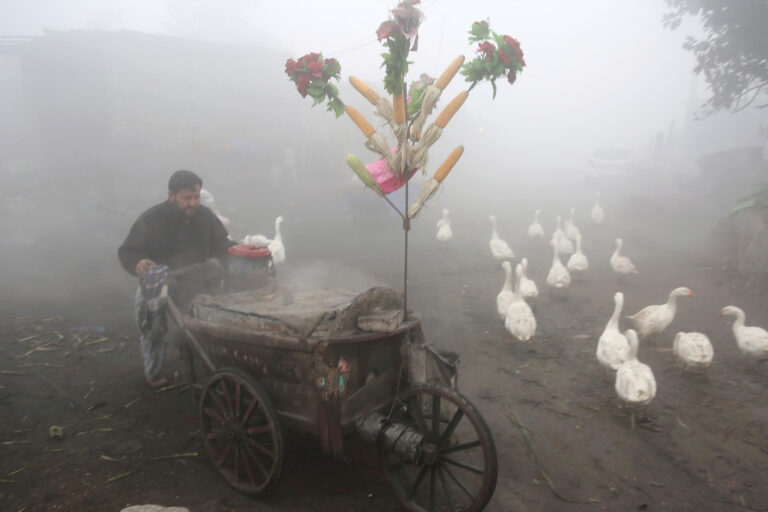
In November, Pakistan's Punjab province is shrouded in a suffocating haze of particulate matter, rendering the sky hazardous. While the public health crisis affecting over 20 million inhabitants garners significant attention, a lesser-known calamity is occurring in the region's agricultural lands, urban parks, and residual wetlands.
The detrimental effects of this toxic air on human lungs are well-documented, and its impact on agricultural assets is meticulously tracked. A 2023 baseline study monitored 10 livestock farms in Lahore and Kasur districts, recording the exact micrograms of fine particulate matter, carbon dioxide, and potentially harmful trace elements inside the cattle sheds.
Researchers also examined the air for opportunistic bacterial pathogens such as Staphylococcus aureus to protect the health of the livestock.
However, if a wild bird or mammal were to land nearby, scientific observation would cease. In a region plagued by seasonal pollution, wildlife faces a considerable blind spot in monitoring efforts. Dr. Sidra Safdar, a Wildlife and Ecology associate professor at the University of Veterinary and Animal Sciences (UVAS) and co-author of the 2023 livestock study, attributes this data gap to insufficient funding and political will.
She emphasizes the need for suitable resources and specialized equipment to conduct real-time air quality tracking, as this process demands costly annual calibration.
Written by urgent.news from Mongabay's reporting — not their text. Machine-written — may contain errors; check the original before relying on it.