30,000-year-old bone found in French cave reveals vast genetic connections between people of Eastern and Western Europe during the Stone Age
Scientists sequenced the genome of a woman who lived 30,000 years ago and discovered that she had mixed Eastern and Western European ancestry.
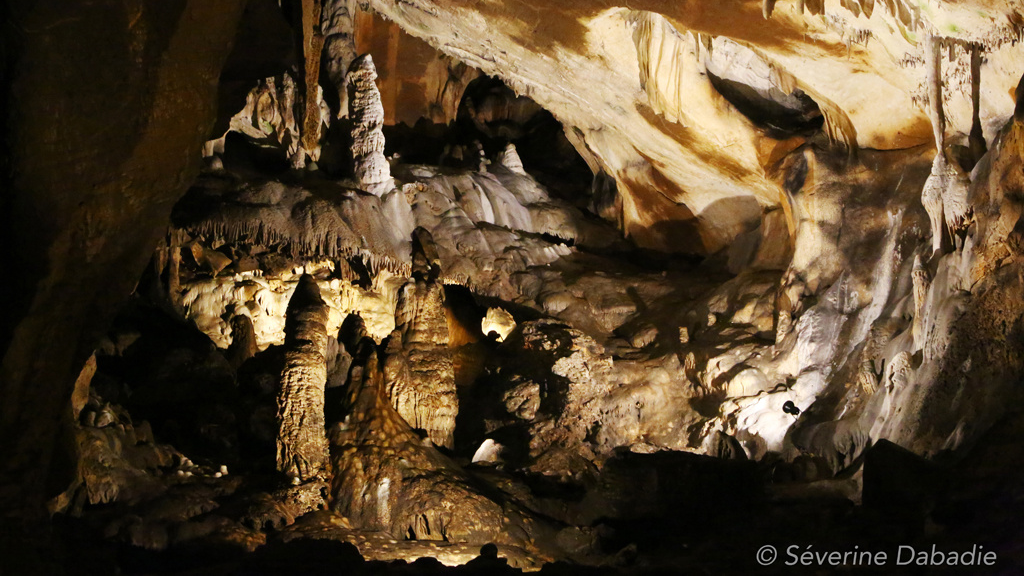
A 30,000-year-old bone discovered in the Isturitz Cave in southwestern France has revealed previously unknown genetic connections between people from Eastern and Western Europe during the Stone Age. Researchers sequenced the genomes of three individuals who lived in what are now Spain, France, and Italy during the Gravettian period, a culture known for its portable art and widespread presence across Europe from around 34,000 to 25,000 years ago.
The study, published in the journal Science Advances, found that one individual had mixed genetic ancestry, suggesting that there was gene flow from Eastern to Western Europe at least 30,000 years ago. This finding challenges previous assumptions that populations in the East and West were genetically isolated during the Late Stone Age, also known as the Upper Paleolithic.
The discovery supports the idea that Isturitz Cave, which was previously used by Neanderthals, may have served as a critical cultural and biological hub during this period, with gene flow from Eastern Europe contributing to the ancestry of individuals in the cave.
Brief written by urgent.news from Live Science's own syndicated text. Machine-written — may contain errors; check the original before relying on it.