SBP raises policy rate to 12%
Middle East conflict, higher energy costs and wheat disruptions worsen inflation outlook
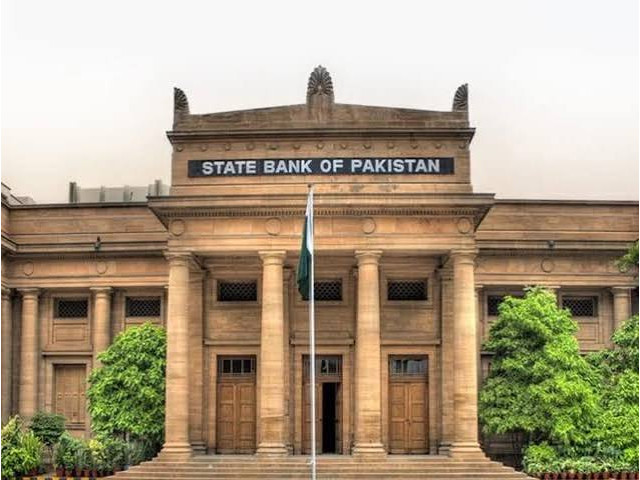
On Monday, the State Bank of Pakistan (SBP) increased its policy rate by 50 basis points to 12%, aiming to curb inflation amid escalating Middle Eastern conflict and rising global energy prices. The Monetary Policy Committee (MPC) approved the hike by a 9-1 majority, with the new rate set to take effect from October 27, 2026. The MPC deemed the move necessary to stabilize inflation expectations, prevent supply-side shocks from affecting broader prices, and ensure inflation remains within the target range of 5% to 7%.
The decision came amid mounting global inflationary pressures caused by the Middle East conflict, high energy prices, and domestic wheat supply disruptions. Domestic inflation surged to 10.3% year-on-year in September, driven mainly by higher energy and wheat prices. The MPC identified the Middle East conflict and wheat supply disruptions as the two main factors fueling inflation.
Despite the economic recovery, the committee warned that sustained increases in food and energy prices could raise inflation expectations and feed into core inflation. The outlook for agriculture improved, and consumer inflation remained elevated at 8.4%. The MPC maintained its projection for real GDP growth at 3.5% to 4.5% for FY27, but cautioned that further conflict escalation and adverse weather conditions could hinder the recovery.
Pakistan's current account deficit stood at $874 million in the first quarter of FY27, with exports showing signs of recovery, led by rice, high-value-added textiles, and services. Remittances remained robust, but higher non-energy imports put pressure on the external account. The SBP's foreign exchange reserves stood at around $21.5 billion, supporting the central bank's ability to increase reserves beyond the current level.
Rewritten by urgent.news; may contain errors — check the original.
Source: tribune.com.pk