Indonesia's gas export cuts: A costly blow to trust and regional leadership
At stake are Indonesia's credibility as an economic partner, its ability to attract long-term investment and its standing as a regional leader.
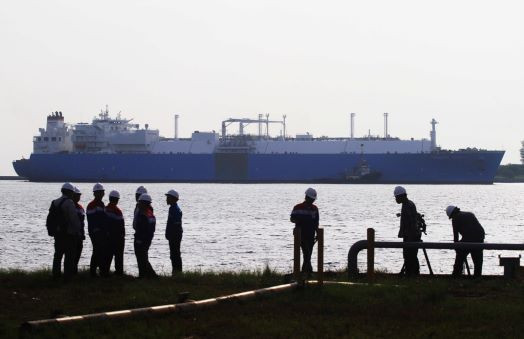
Indonesia has begun reducing its natural gas exports to Singapore, beginning on October 24, to ensure a steady supply for domestic electricity generation. The shift impacts the export of 31 million standard cubic feet of gas each day, originating from Natuna and Sumatra. Singapore's Energy Market Authority (EMA) revealed that this reduction amounts to 17 billion British thermal units per day over a period of 18 days, accounting for less than 2% of Singapore's daily gas consumption, which surpasses 1,000 billion British thermal units.
The regulator, SKK Migas, stated they would keep a daily eye on the situation, as reported by Channel NewsAsia on October 24.
Gas from Natuna is being redirected via the WNTS–Pulau Pemping–Batam pipeline to PLN Batam, while supplies from Sumatra are channeled through the TGI pipeline to serve Batam, Bintan, and Sumatra. SKK Migas attributed the priority of domestic usage to the Indonesian oil and gas law, without explicitly linking the reduction to recent remarks by Indonesian ministers about possibly reviewing energy exports.
Natural gas constitutes approximately 95% of Singapore's electricity generation, highlighting the critical importance of supply security. Singapore also obtains gas through pipelines from Malaysia and imports liquefied natural gas (LNG) from global suppliers. According to the EMA, contingency plans are in place to manage any supply reductions, and Singapore GasCo is ready to import extra LNG as necessary.
Indonesia's latest action follows warnings that domestic energy needs might take precedence over exports. Coordinating Minister for Downstreaming and Energy Transition, Bahlil Lahadalia, stated on October 22 that Indonesia could contemplate ceasing exports to nations that do not adhere to its priorities. Singapore is preparing for longer-term supply requirements, with Deputy Prime Minister Gan Kim Yong noting last year that existing gas import contracts with Indonesia are set to expire by the end of 2028.
Singapore is constructing a second LNG terminal, which is expected to commence operation by the end of the decade. Diversifying supply sources and maintaining backup options will become increasingly significant as regional energy demands evolve. For now, the reported reduction is modest in scale and duration; however, Singapore should continue to broaden its supply options and remain vigilant about regional developments.
Ensuring reliable electricity supply hinges on proactive planning rather than reacting to unforeseen disruptions.
Written by urgent.news from The Independent Singapore's reporting — not their text. Machine-written — may contain errors; check the original before relying on it.
This story
This is one outlet's version. Read the fullest account.
- PM Wong on Indonesia gas export cuts: 'We expect all parties to honour their commitments' mothership.sg
- Indonesia cuts back gas exports to Singapore to safeguard domestic electricity supplies theindependent.sg
- Indonesia's gas export cuts: A costly blow to trust and regional leadership thejakartapost.com