Indonesia cuts back gas exports to Singapore to safeguard domestic electricity supplies
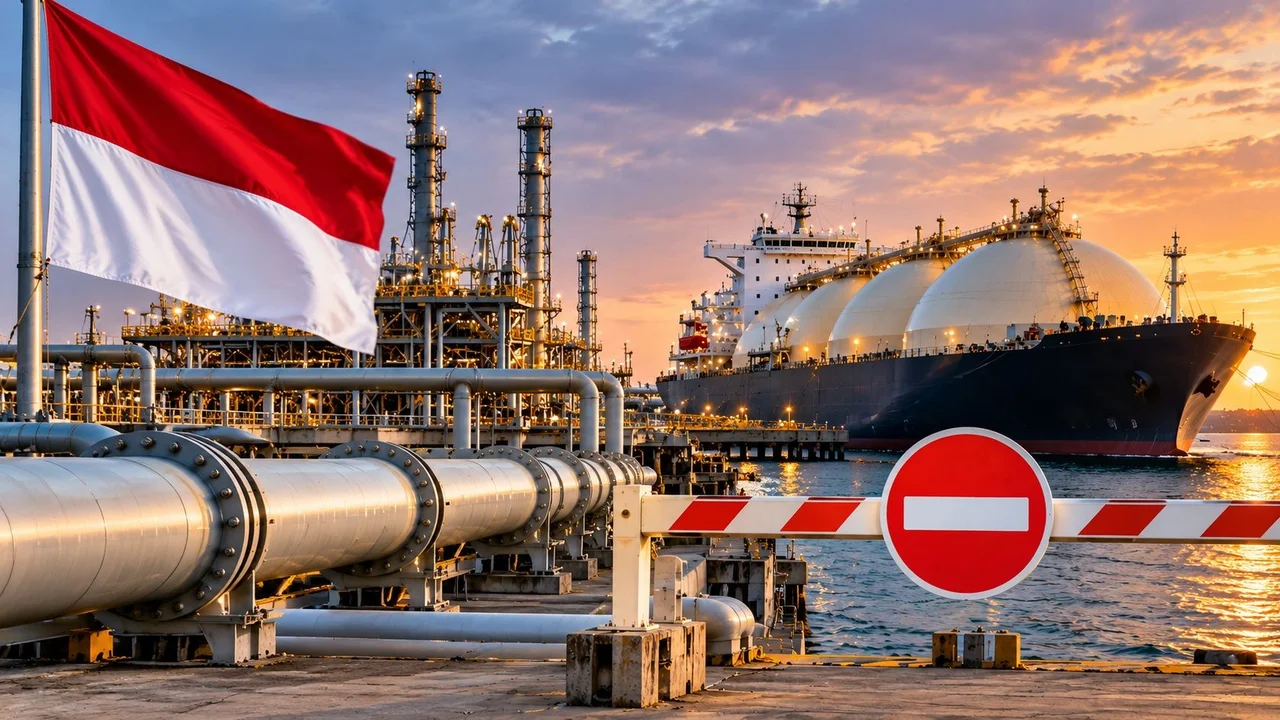
SINGAPORE/INDONESIA: Indonesia began cutting natural gas exports to Singapore on Oct 24, redirecting supplies to meet domestic electricity needs. The change affects 31 million standard cubic feet of gas daily from Natuna and Sumatra. Singapore’s Energy Market Authority (EMA) said the reduction totals 17 billion British thermal units daily over 18 days. This represents less than 2% of Singapore’s…
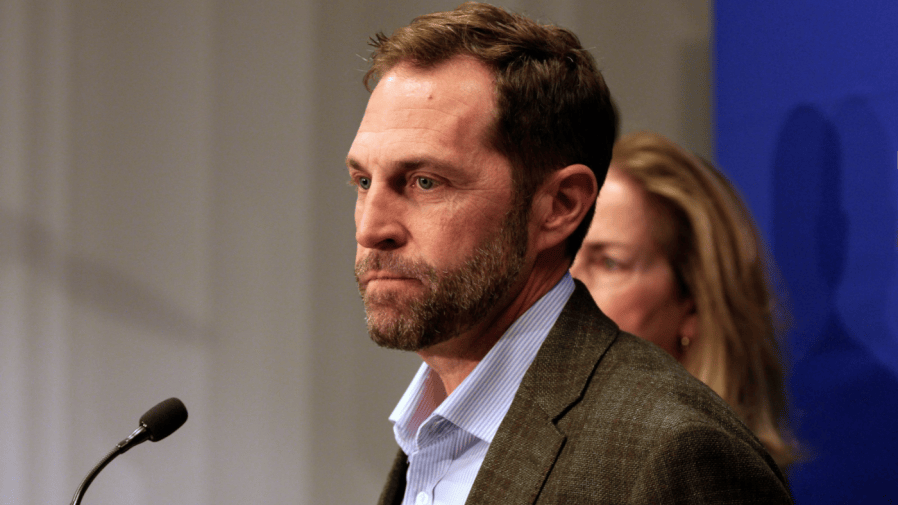
Prime Minister Lawrence Wong addressed Indonesia's announcement of gas export cuts to Singapore, asserting that all parties must honor their commitments. Singapore's gas importer will take necessary steps to safeguard its rights and interests under these contracts. The gas supplies are bound by commercial contracts, and Singapore has been preparing for such risks, Wong explained. Planning ahead for Singapore's energy needs is a priority for the Ministry of Energy, Trade and Industry (METI).
Tan See Leng, who oversees both energy and industry, is fully dedicated to this task. Singapore's power relies heavily on natural gas, with 95% of its electricity generated from this source, according to METI's website. Over 95 billion British thermal units per day (BTU) of natural gas is imported daily to meet Singapore's power demands.
Starting October 24, Indonesia will reduce its natural gas exports to Singapore by 31 BTU per day – a reduction that accounts for less than 2% of Singapore's total daily gas demand, exceeding 1,000 BTU.
While a significant portion of the gas comes through pipelines from Indonesia, Singapore has invested in Liquefied Natural Gas (LNG) terminals to import gas from multiple countries, reducing dependence on pipelines and providing alternative sources of supply. Wong emphasized that Singapore must explore cleaner sources of power to ensure reliable electricity around the clock, including studying the potential of nuclear energy.
However, he stressed the importance of prioritizing safety in any energy decisions, especially in a small and densely populated country like Singapore. He acknowledged concerns about the safety of nuclear power but urged careful assessment of risks, engaging citizens, and making informed choices to secure Singapore's energy future.
Written by urgent.news from Mothership's reporting — not their text. Machine-written — may contain errors; check the original before relying on it.
This story
This is one outlet's version. Read the fullest account.