I turned my old laptop into a NAS, and its built-in battery replaced a UPS I never had to buy
An old laptop makes a surprisingly good NAS, especially when the power goes out.
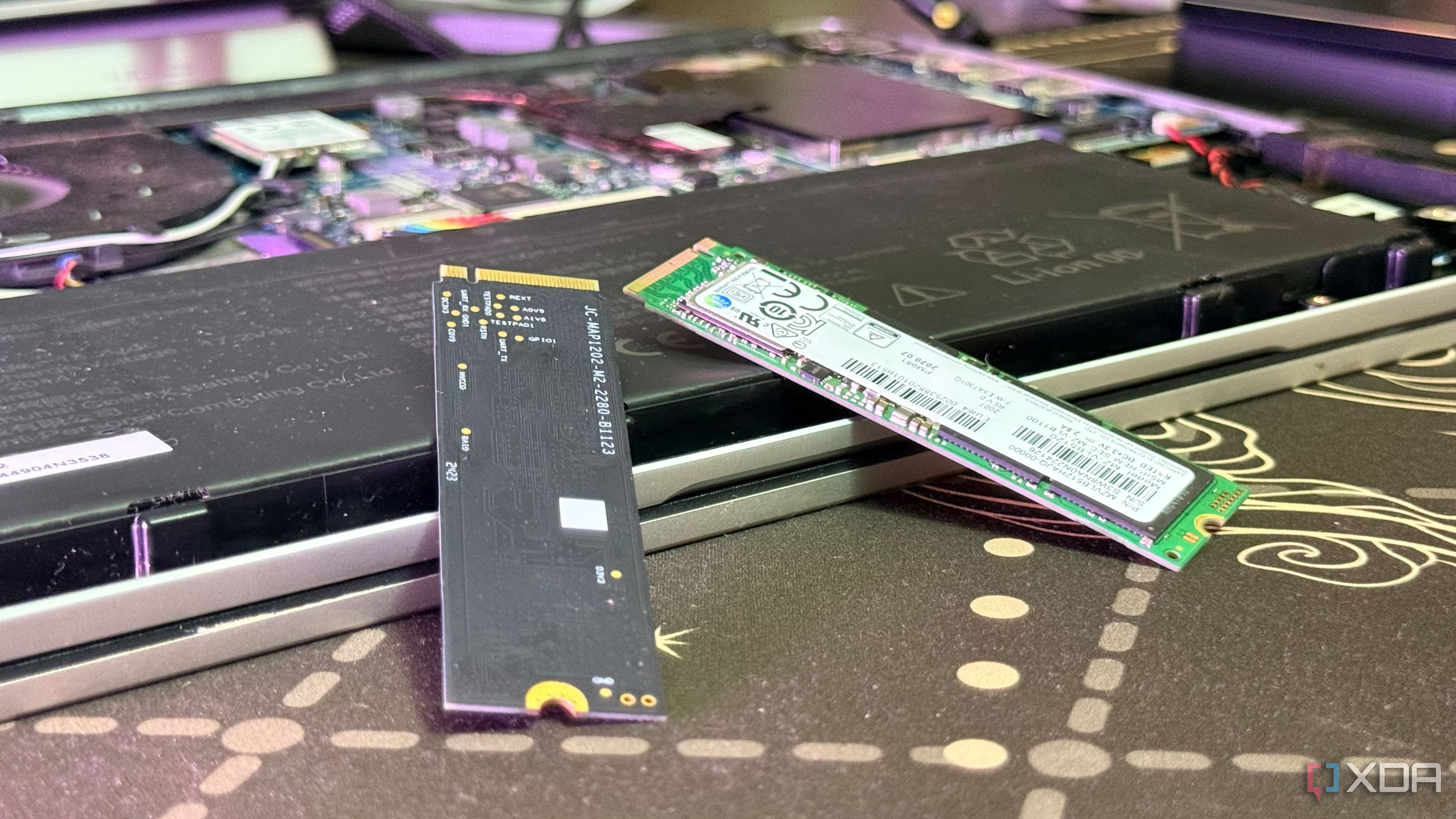
The author decided to turn their old laptop into a NAS instead of purchasing a new NAS with a built-in battery. The author's storage needs were modest, and the compact all-flash NAS system they settled on only had two drives installed. The author believed that using a UPS would be unnecessary because the NAS didn't consume much power, especially when idle.
The laptop, specifically a Ryzen 5 4500U processor, drew between 3.2W and 8.7W during idle. When handling low-to-medium workloads, the power consumption reached around 12W. With the 46Wh battery, the laptop NAS could provide approximately 3.5 hours of runtime in non-demanding situations. If more runtime was needed, a power bank could be connected.
Apart from providing backup power, the laptop's built-in battery also prevented file system issues and corrupted files after power outages. The author noted that monitoring the battery status in Linux was straightforward, using data from interfaces like /sys/class/power_supply/. They also mentioned the ability to trigger a script when the battery percentage dropped to around 15%, which could safely stop services, complete pending file operations, unmount filesystems, and shut down the system.
The author preferred converting their old laptop into a NAS rather than buying a dedicated NAS with a built-in battery for several reasons. Their storage needs were modest, and the workload on the system didn't strain the built-in battery significantly. However, they acknowledged that longer runtimes might require a power bank, and for extended power outages, a UPS with a suitably sized battery would be more suitable.
The author ultimately concluded that buying a separate UPS would add cost and clutter without offering enough practical benefit for their particular setup.
Written by urgent.news from XDA Developers's reporting — not their text. Machine-written — may contain errors; check the original before relying on it.