Cloud gaming was once billed as cheaper than buying titles. But new pricing from Microsoft’s Xbox is eroding that argument, gamers say
The rise of digital video games has coincided with less ownership and more fees for gamers.
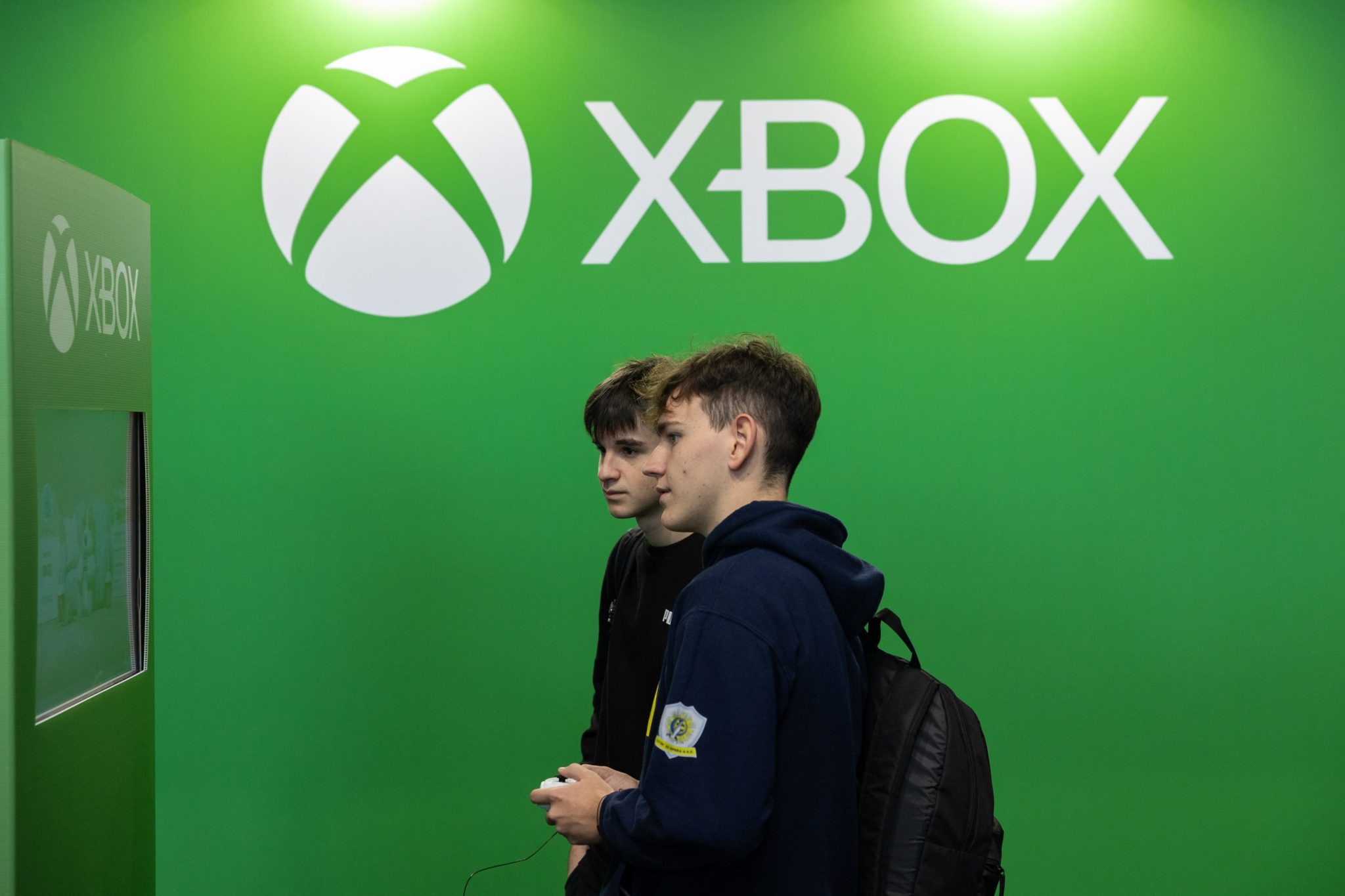
Cloud gaming was once marketed as a cost-effective alternative to purchasing video games. However, Microsoft's Xbox has recently altered its pricing model, potentially undermining this argument in the eyes of some gamers. The Xbox division has recently undergone a major restructuring, which includes cutting 20% of its workforce, or around 3,200 employees. This restructuring comes after the division experienced a decline in revenue due to reduced hardware sales and a decrease in Xbox Game Pass subscriptions.
In 2020, Xbox introduced cloud gaming as a budget-friendly way for users to play games without the need for expensive consoles or physical media. Initially, Xbox Game Pass subscribers had unlimited access to the cloud gaming library through their monthly subscription. However, in September, the company altered this arrangement, introducing a pay-as-you-go system for cloud gaming. This change imposed a limit on gameplay hours for subscribers, with additional hours purchasable through a new service called Cloud Playtime.
At present, Game Pass subscribers are required to pay between $10 and $23 per month to access cloud gaming for five to 15 hours. For those who need more time, individual Cloud Playtime hours cost $4 for 10 hours, $8 for 25 hours, and $12 for 50 hours. This pricing structure has drawn criticism from gamers, with YouTuber Yong Yea lamenting that the increased costs for cloud gaming diminish the affordability benefits that were once a selling point.
Additionally, purchasing cloud games means users don't gain the same level of ownership as they would with a physical console and game.
As more gaming companies shift towards subscription models, gamers may face similar limitations in terms of game ownership. In June, a class action lawsuit was filed against Sony PlayStation, alleging that the company did not properly disclose the temporary nature of digital game ownership. Similarly, a lawsuit against GameStop claims that the retailer failed to inform customers that they were purchasing just a license for certain games, not the actual titles.
Despite these concerns, the digital-centric approach to gaming appears likely to persist as companies seek more cost-effective ways to produce and distribute games. Sony announced earlier this year that it will no longer ship new PlayStation 5 games on discs starting in 2028, signaling a significant move towards a digital future in the gaming industry.
Written by urgent.news from Fortune's reporting — not their text. Machine-written — may contain errors; check the original before relying on it.