Want to build a UK datacenter? Please hold while Whitehall transfers you
Minister insists responsibilities are clear as construction, telecoms, and energy fall under separate departments
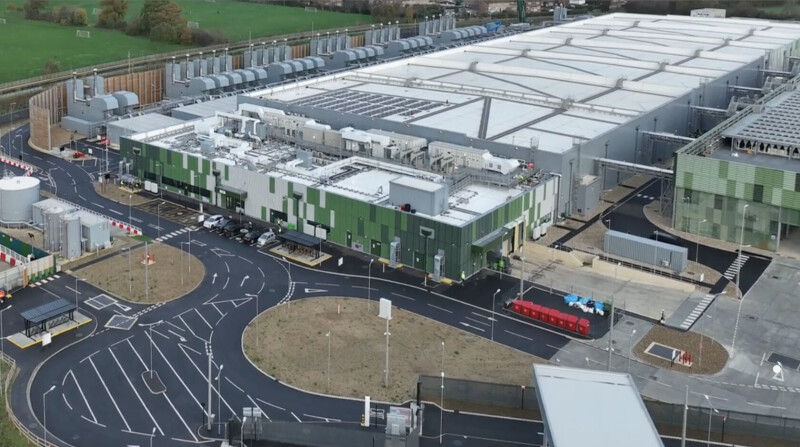
Navigating the bureaucratic maze to establish a datacenter in the UK involves three distinct government departments working in tandem. The Department for Business, Innovation, Science, and Trade (BIST) oversees datacenter policy, while the Department for Digital, Culture, Media, and Sport (DCMS) manages telecoms and energy-related aspects. The Department for Energy and Net Zero holds jurisdiction over power supply, and local government handles planning permissions.
Parliamentary under-secretary of state Liz Lloyd, who oversees both BIST and DCMS, shed light on the complexities faced by businesses seeking to construct datacenters. She explained that following the recent reshuffle, liaison with the tech industry now falls to BIST, while digital infrastructure falls under DCMS. Despite the clear departmental responsibilities, Lloyd admitted that some overlap exists, which can be confusing for industry players trying to navigate the system.
When it comes to powering these facilities, the Department for Energy and Net Zero is responsible, according to the information available. Planning permissions, however, are granted by local authorities, although overall policy rests with the Ministry of Housing, Communities, and Local Government.
The challenges faced by businesses attempting to build datacenters were highlighted earlier this month when Microsoft abandoned plans for Britain's largest AI supercomputer due to difficulties in securing power. During a parliamentary hearing, Lloyd was asked about the government's claim that modernizing technology and digitizing processes could yield £45 billion in productivity gains by 2025.
She clarified that the figure represented an estimate of long-term productivity improvements rather than an immediate or guaranteed cashable savings figure.
Written by urgent.news from The Register Science's reporting — not their text. Machine-written — may contain errors; check the original before relying on it.
This story
This is one outlet's version. Read the fullest account.