The State Officials Defending the Midterms from the President
Donald Trump has tried to purge voter rolls nationwide. Deidre Henderson, the Republican lieutenant governor of Utah, is among the chief election officers standing in his way.
Henderson, a 52-year-old Republican lieutenant governor of Utah, serves as her state's chief election officer. Her opposition to the Trump Administration's efforts to obtain voter rolls and purge unqualified voters has drawn threats of sexual violence and murder. Despite the disturbing nature of many messages, some have been treated by law enforcement as posing a credible threat to her life or safety.
While Henderson typically does not receive a security detail, she did receive protection during her first term and had to hire additional protection for the 2024 election. This intimidation is not new; a national survey of local election officials found that a third had received threats, with half fearing for their colleagues' safety.
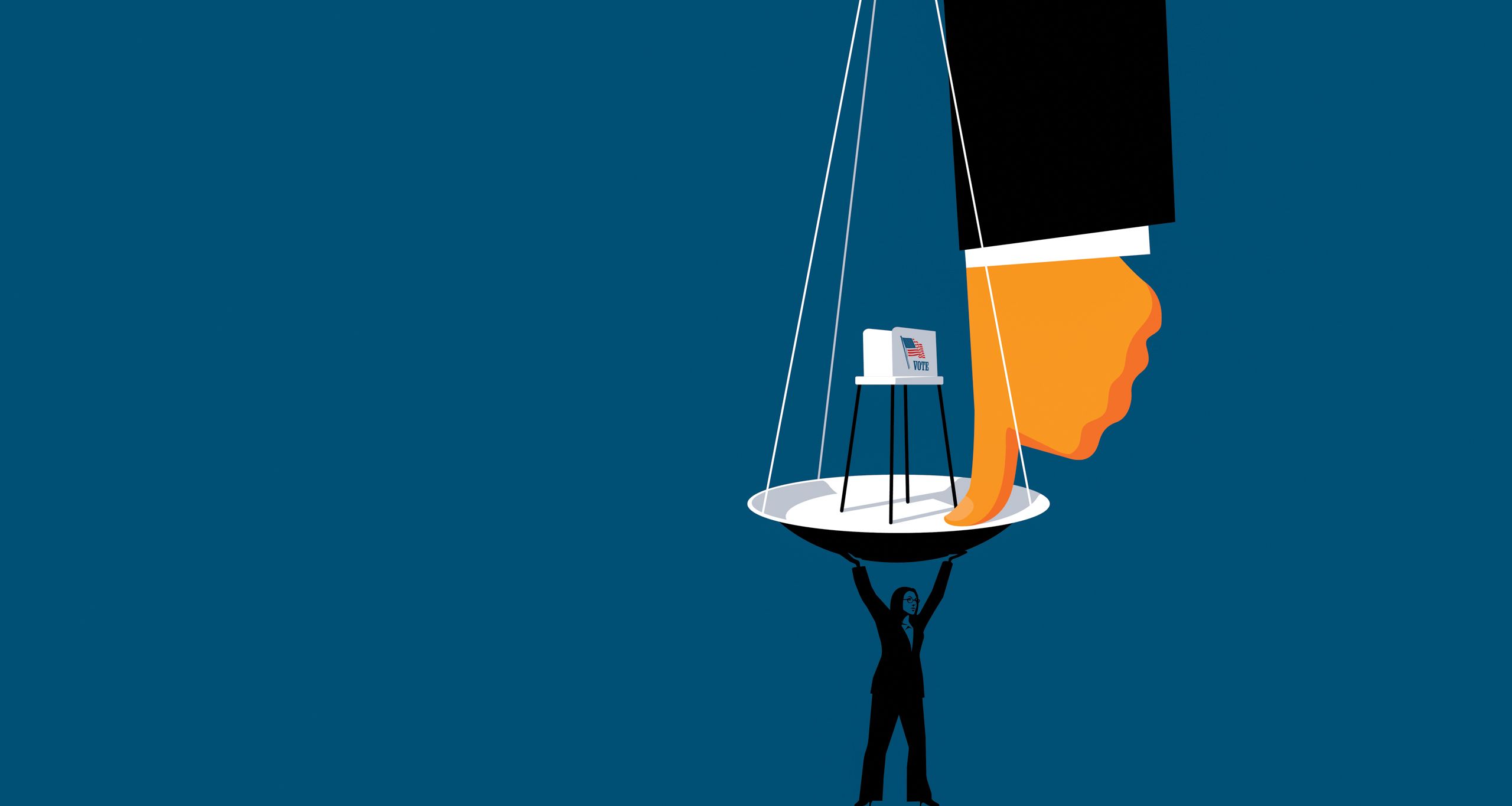
In this election season, federal authorities have added new threats, warning Henderson and other election officials they may face criminal prosecution if they do not comply with the President's directives to surrender state voter rolls. This is unprecedented, as no American President has previously used executive power to reshape an election in their favor.
Trump has attempted to undermine the 2020 election results through legal challenges, Congress, and state legislatures, but ultimately failed. The Constitution reserves the power to prescribe election times, places, and manners to the states, with Congress able to change the rules via statute. The President has no role in elections.
Trump contends otherwise, stating that states are merely agents for the federal government in counting and tabulating votes, and must follow his instructions for the good of the country. He has warned Republicans that if they don't purge noncitizens from the voter rolls, they will never win another election. Trump issued executive orders in 2025 to restrict voter registration, impose new voting machine standards, enhance prosecution of "election crimes," and prohibit counting late ballots.
These orders, along with a directive to compile and transmit a list of U.S. citizens eligible to vote, have been challenged in court, with courts blocking the most significant provisions on the grounds that the President lacks lawful authority to impose them.
Written by urgent.news from The New Yorker's reporting — not their text. Machine-written — may contain errors; check the original before relying on it.