Focus turns to firms as Indonesia fire haze worsens
Indonesia has announced "administrative sanctions" against dozens of firms and criminal proceedings against 125 individuals and corporations. But previously prosecuted firms have gotten away with not paying fines or carrying out forest restoration.
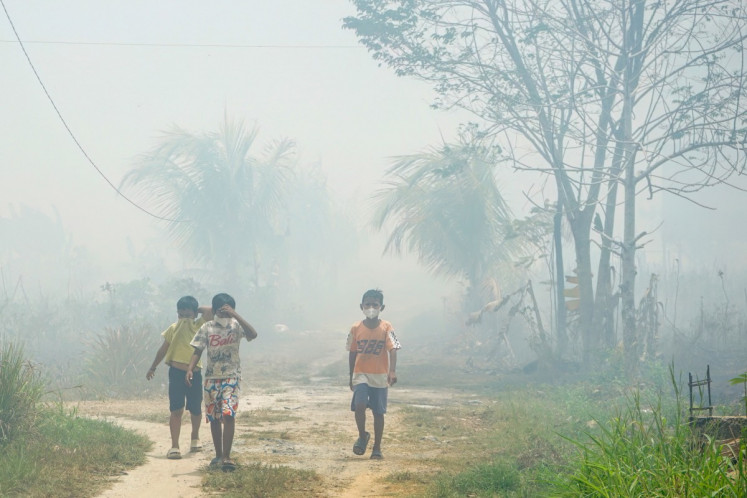
Indonesia has imposed administrative sanctions on numerous companies and launched criminal proceedings against 125 individuals and corporations due to the worsening haze caused by fires. However, firms convicted previously have evaded paying fines or completing forest restoration efforts. Thick regional haze has plagued Indonesia for months, prompting attention to whether companies can be held accountable for the blazes and air pollution.
Indonesia frequently experiences fires during its dry season, with experts attributing the recent severity to deforestation, peatland draining, and the influence of El Nino's drought. The fires have engulfed forests, peatland, palm oil plantations, and timber plantations supplying global firms. Civil society groups have accused companies of responsibility, identifying "hotspots" in supplier plantations, often referred to as concessions.
WALHI, an environmental group, mapped "high confidence" hotspots across Indonesia using NASA fire data, discovering that approximately 50% were within concessions. The group also identified 40 timber and palm oil concessions with the highest number of hotspots. WALHI argues that these fires stem from companies' practices and activities.
Pressure is mounting from governments, such as Singapore, which has issued 10 companies with preventative measure notices under its Transboundary Haze Pollution Act. These notices compel firms to combat fires, avoid burning, and submit action plans. Non-compliant firms may face legal action, including fines. Several implicated companies deny their involvement in the fires. Satellite monitoring sometimes reveals where fires initiate, but determining if the ignition was intentional or accidental remains uncertain.
Experts indicate that fire has historically been employed to illegally acquire land for cultivation and by smaller-scale local investors. The Indonesian government has now taken steps to curb this practice. Even if a fire's origin is accidental or outside a concession, companies might still bear civil liability, as they must maintain adequate fire measures and could be culpable if their activities pose a significant environmental threat.
Written by urgent.news from The Jakarta Post's reporting — not their text. Machine-written — may contain errors; check the original before relying on it.