Focus turns to firms as Indonesia fire haze worsens
AFTER months of fires in Indonesia that have caused thick regional haze, attention is turning to whether companies can be held accountable for the blazes and resulting air pollution.
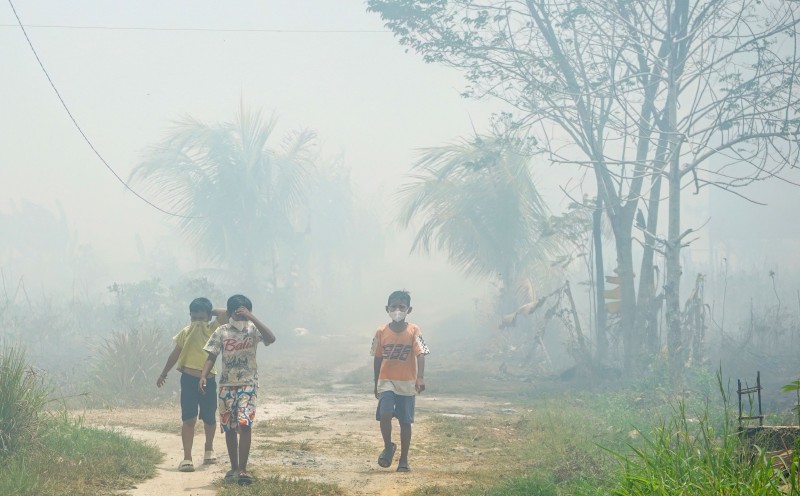
Indonesia is facing worsening haze from fires, prompting scrutiny over whether corporations can be held responsible for the blazes and their impact. The fires, exacerbated by El Nino and resulting drought, have ravaged more than two million hectares of forests, peatland, palm oil, and timber plantations. Civil society groups, such as environmental organization WALHI, have accused corporations of playing a role in the fires, citing "hotspots" in supplier plantations.
According to WALHI's data, around 50 percent of these hotspots are within concessions. Singapore has also taken action, issuing preventative measure notices to 10 companies under its Transboundary Haze Pollution Act. These notices prompt the companies to combat fires, prevent burning, and submit action plans, with legal consequences for non-compliance.
Some implicated firms deny their involvement in the fires, stating that the smoke may have originated outside their boundaries and spread onto their lands. While the government has taken administrative sanctions and criminal proceedings against firms and individuals, campaigners argue that some firms have evaded fines and failed to restore affected areas.
Experts emphasize that corporations still bear environmental responsibilities, even if fires begin accidentally or outside concessions. The issue of corporate responsibility extends beyond Indonesia's borders, as implicated firms have connections with owners, creditors, investors, and supply-chain partners around the world.
Written by urgent.news from New Straits Times's reporting — not their text. Machine-written — may contain errors; check the original before relying on it.