Zuckerberg spent years building on Apple’s terms. His $100 billion-plus AI bet is about owning everything
Zuckerberg and chief AI officer Alexandr Wang want Meta’s Muse agents to shop for you. That could disrupt the ad machine paying for it all.
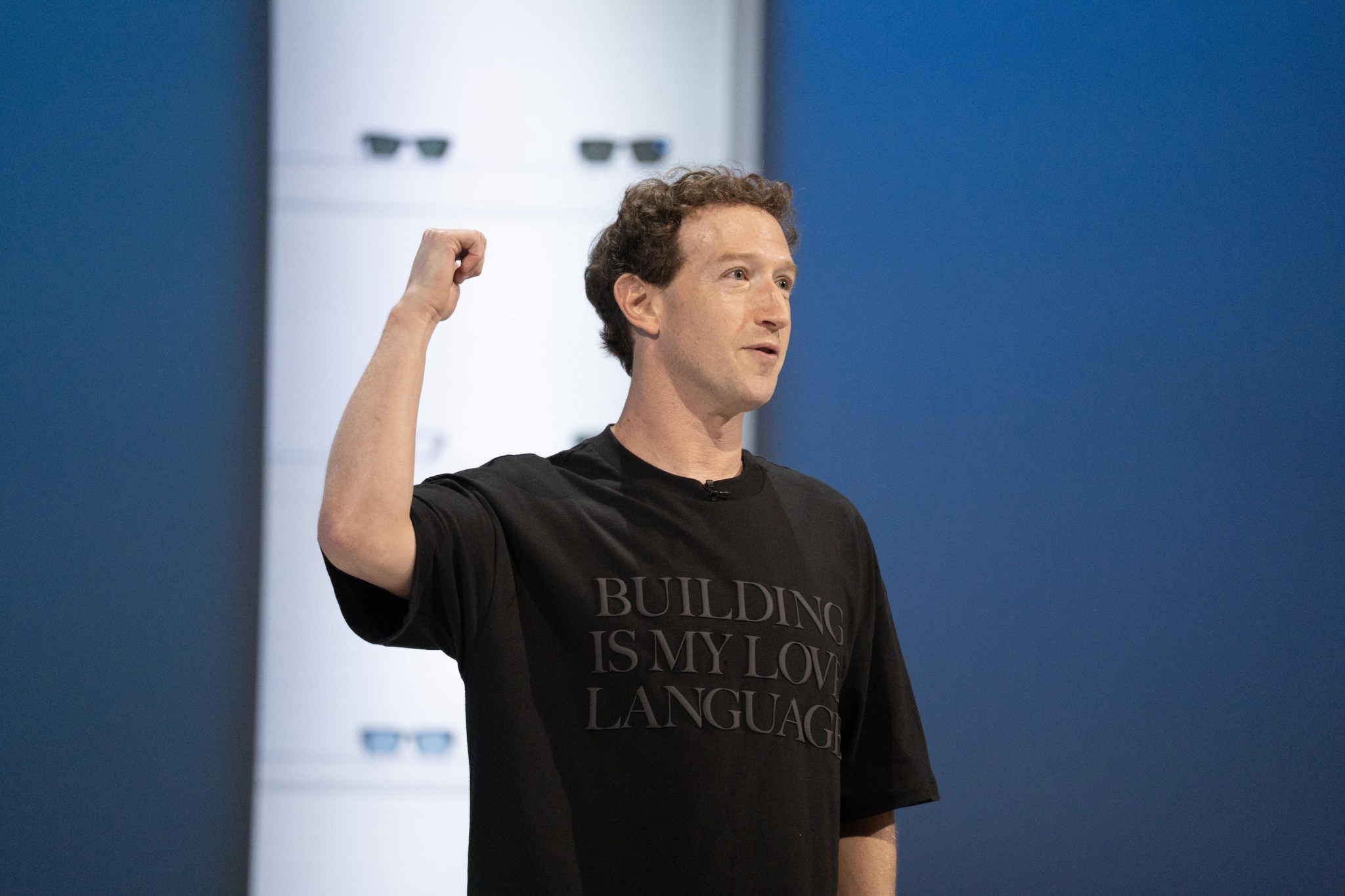
Mark Zuckerberg revealed that he recognized the significant risk involved when he authorized Meta's AI development, believing it could cost as much as $200 billion. Alexander Wang, Meta's chief AI officer, corroborated this, explaining that such substantial decisions are often made before any definitive proof of success. Meta has allocated up to $145 billion in capital expenditures this year, with a significant portion directed towards AI infrastructure.
Zuckerberg emphasized that Meta is a full-stack tech company, constructing its own data centers, chips, and low-level infrastructure.
Zuckerberg's strategy to control the entire tech stack likely originates from his long-standing rivalry with Apple and Google, which dominate smartphone platforms. Facebook's mobile applications faced friction with platform owners in the past, leading to restrictions and financial losses. Zuckerberg's experience with Apple's restrictions on its Android and "Research" apps has influenced his AI approach.
He stated that owning the stack is about building the best possible products rather than simply owning a platform for its own sake.
Building AI infrastructure comes at a high cost for Meta. A one-gigawatt AI data center can range from $50 billion to $60 billion to construct and approximately $15 billion annually to maintain. Meta's Hyperion campus in Louisiana aims to scale up to five gigawatts. However, Meta is exploring cloud computing to alleviate these costs, despite Bloomberg reporting that the company is developing a cloud business to sell AI computing power. Zuckerberg framed these investments as a safeguard against potential AI failures.
Meta's AI ambitions extend beyond data centers. The company aims to develop Muse Wonder and even more advanced Muse Wonder Full models, which will power Meta's personal AI agent, Muse. Muse is designed to act as an expert assistant, handling legal, financial, and medical matters for individuals. Zuckerberg demonstrated the practical application of Muse by using the Instacart platform for tea purchases on behalf of his daughter.
This vision of agentic commerce could potentially disrupt Meta's dominant ad revenue model, which accounts for around 98% of its revenue.
While advertising is projected to reach $243.46 billion this year, surpassing Google's earnings for the first time, Meta's future business model remains uncertain. If AI agents take over tasks like price comparison, delivery tracking, and product reviews, the need for ads may diminish. This development could impact Meta's advertising business, prompting questions about the future revenue streams for the company.
Written by urgent.news from Fortune's reporting — not their text. Machine-written — may contain errors; check the original before relying on it.