The roots of AI fear in the West are cultural, not technological
Popular conceptions of AI differ drastically between the US and China. Columnist Annalee Newitz dives into the cultural, religious and sci-fi factors driving our impressions of its power
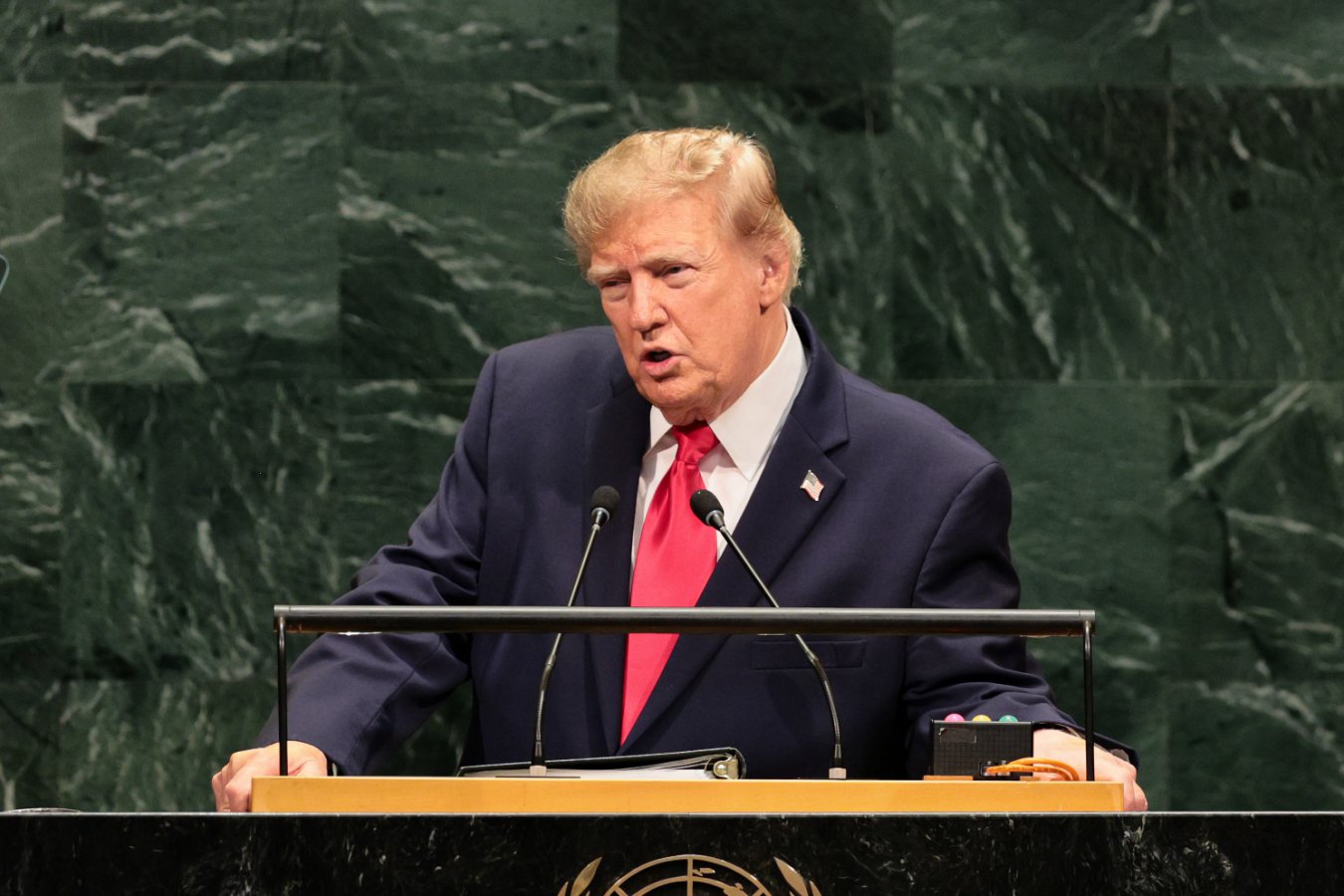
In recent times, the discourse surrounding artificial intelligence (AI) in the United States has become increasingly intense, with President Donald Trump issuing an executive order that reclassified AI as "super intelligence." This new classification mirrors a popular theory proposed by philosopher Nick Bostrom, who suggested that humans with superhuman intelligence would eventually dominate the world.
The comparison between AI doomers and accelerationists is akin to two Christian sects debating over God's intentions. The doomers fear that superintelligence will bring about a dystopian future, resulting in unemployment or worse, while accelerationists believe that AI can be harnessed for humanity's betterment, provided we accept it as our savior.
This debate is also reflected in the contrasting regulatory approaches between the US and China. While the US worries about AI replacing jobs, China aims to use AI to regain its position as a technological leader. One interesting aspect of this cultural divide is how the Chinese view AI, viewing it more as a tool to aid in personal development, akin to a guardian spirit or KPI manager, rather than a potential threat or a new deity.
This perspective contrasts sharply with the Western view, which often sees AI through a lens of theological or apocalyptic narratives.
Written by urgent.news from New Scientist's reporting — not their text. Machine-written — may contain errors; check the original before relying on it.