Want to lower your energy bills this season? A heating expert shares these 5 checks you need to do right now
Getting your home ready for winter doesn't have to be complicated. It also doesn't have to be expensive. These five simple steps will ensure your home retains heat rather than losing it.
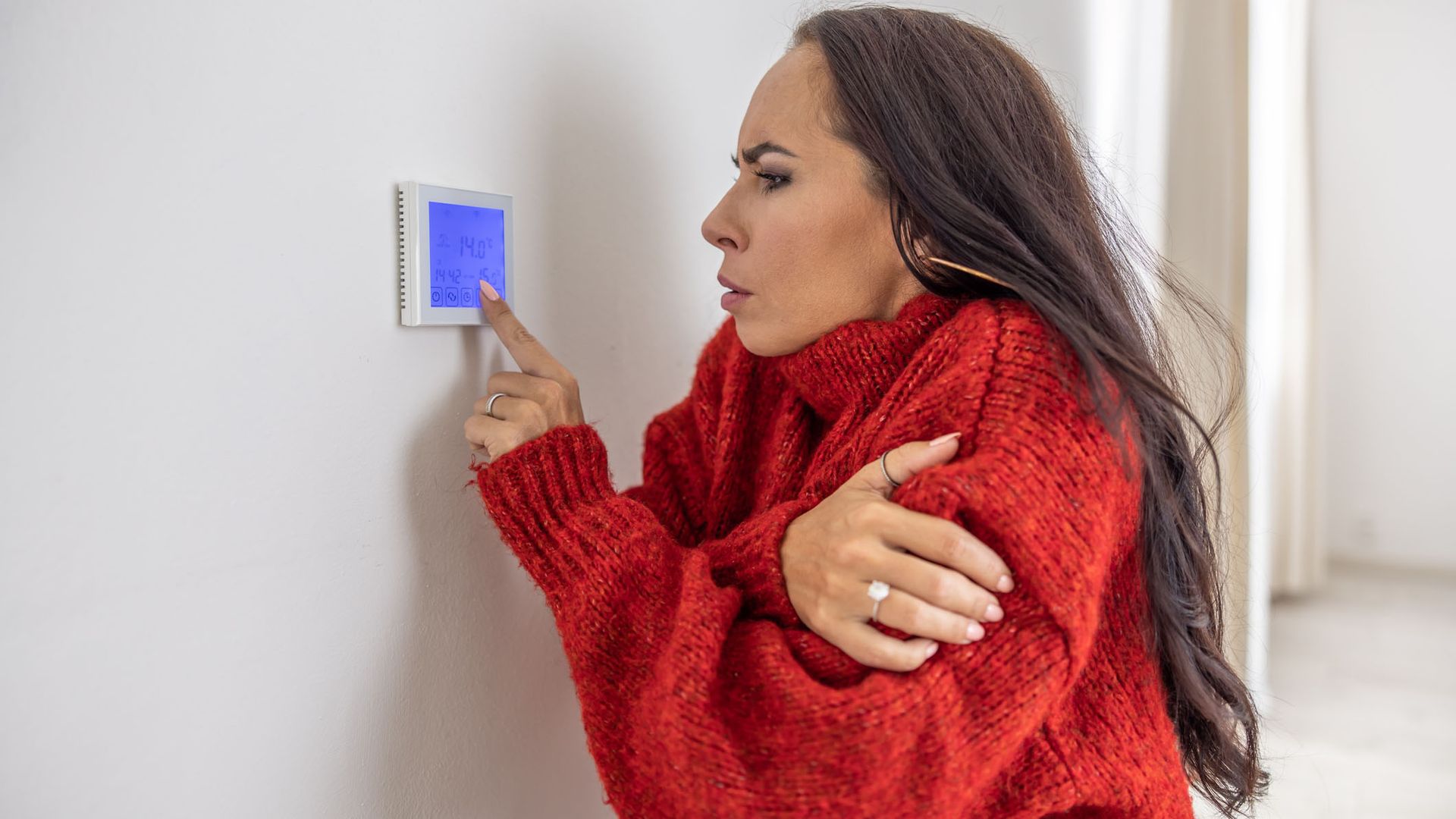
As temperatures fall, many people find themselves wondering if it's time to turn on the heating. For those who have had their heating systems idle for months, it may become apparent that the system isn't operating as efficiently as before. Heating engineers often receive numerous calls from homeowners seeking answers to why their houses are no longer heating up as they used to.
However, before contacting a professional, there are several steps homeowners can take themselves to ensure their property isn't losing heat – and these measures can help save money on heating bills in the long run.
One of the first things to inspect is the windows. Homeowners often overlook this area when preparing for winter, but heat can escape through small gaps and poorly insulated areas around the property. To check for gaps, homeowners can use a simple piece of paper. Place it between an open window and its frame, then close the window and lock it.
If the paper can be removed with little resistance, there is likely an issue with the window seal. Homeowners should check multiple windows to identify the problem areas and then use draught-proofing strips to fix them.
Another area to inspect is the attic. If the attic is filled with storage boxes and boards, it may be compressing the insulation and reducing its effectiveness. Homeowners should measure the depth of the insulation in areas with high storage compared to empty spots, keeping in mind that the depth should be between 10 and 24 inches. Additionally, homeowners should check the attic door for any visible gaps, such as drafts, movement, or light shining through.
Radiators should also be assessed to ensure heat is being distributed evenly throughout the home. Homeowners can perform a simple check by placing their hands on the radiator to feel for coolness at the top, coolness throughout, or slow heating compared to other radiators. Uneven heat can be a symptom of a larger issue, and a heating engineer may need to determine whether the radiator contains trapped air or if there is a problem elsewhere in the system.
Lastly, homeowners should insulate exposed pipes, particularly those in unheated spaces like attics and garages. These pipes may be susceptible to freezing or condensation during the colder months. Pipe insulation tubes are available for purchase and can be easily installed with self-sealing adhesive edges. However, homeowners should be cautious when handling heating or hot water pipes and ensure that valves, controls, and components are still accessible.
Written by urgent.news from Tom's Guide's reporting — not their text. Machine-written — may contain errors; check the original before relying on it.