Stop Writing Camera Moves Into Your AI Video Prompts. Film Them Instead.
AI video camera prompts fall apart on anything but a static shot. Here's when to stop describing the move and start filming it.
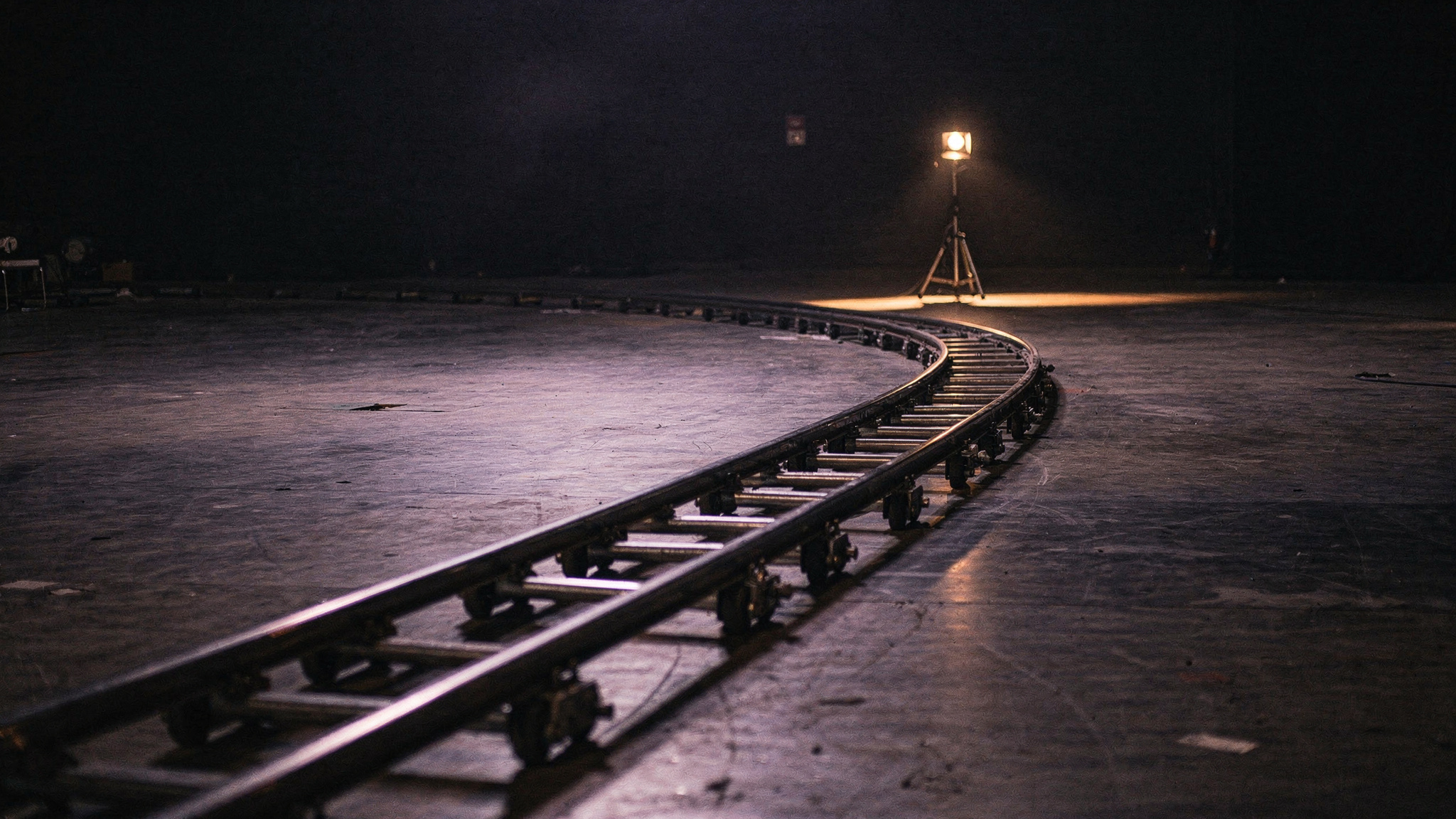
In "Lost Garden," my solo AI anime project, I needed a specific shot: a knight turning toward a doorway while the camera slowly orbited him. Initially, I tried prompting the AI with phrases like "camera slowly orbits the character, cinematic, dynamic movement." However, after multiple generations, the AI still failed to produce the desired effect.
The issue wasn't with the prompt itself, but with the inherent limitations of AI-generated camera movements. By mid-2026, tools will exist that allow filmmakers to film and utilize reference clips as the motion source, rather than relying solely on descriptive prompts. This approach will eliminate the inconsistencies seen in AI-generated camera movements.
The reason AI video camera movements often appear unnatural is because the model predicts pixel patterns based on labeled footage rather than simulating a real camera. While naming specific cinematography terms and assigning speeds to movements can improve results, it still falls short when multiple elements need to occur simultaneously.
A reference clip, on the other hand, provides the exact path, speed, and timing of the camera, which the AI can then mimic. The distinction between describing a camera move and directing one is crucial. Describing an outcome leaves room for the model to fill in the physics, while a reference video serves as the physics itself. Tools like Kling's Motion Control and Higgsfield's Cinema Studio now allow filmmakers to input a reference video alongside a character image and a short text prompt.
This approach ensures that the camera and body motion from the reference video are transferred onto the generated shot, providing more consistent and accurate results. Filming a reference should be reserved for complex camera movements that are difficult to describe in words, such as handheld or arced movements, or those requiring precise timing.
It's most effective when a prompt-only shot fails repeatedly due to the same reason. The process of filming a usable motion reference is straightforward: keep it short (3-30 seconds), match the opening frame of the target shot, and ignore the content of the video since it gets discarded after the motion is extracted. This method can save significant time and credits, as demonstrated by a creator who successfully captured a challenging camera move in a single take using this technique.
However, it's important to note that a motion reference does not replace the planning process; it's meant to be used in conjunction with a storyboard to determine which shots require complex camera movements and which can be captured using simpler prompts.
Rewritten by urgent.news; may contain errors — check the original.
Source: hackernoon.com