Can five degrees decide whether your network survives rising temperatures?
Rising temperatures are testing the limits of our wireless infrastructure.

Five degrees of temperature difference may seem trivial, but for the critical networks that underpin our daily lives, it can mean the difference between reliable operation and equipment being pushed past its limits. Rising temperatures from heatwaves, wildfires, extreme storms, and prolonged high heat are straining IT infrastructure in places not originally built to handle such conditions.
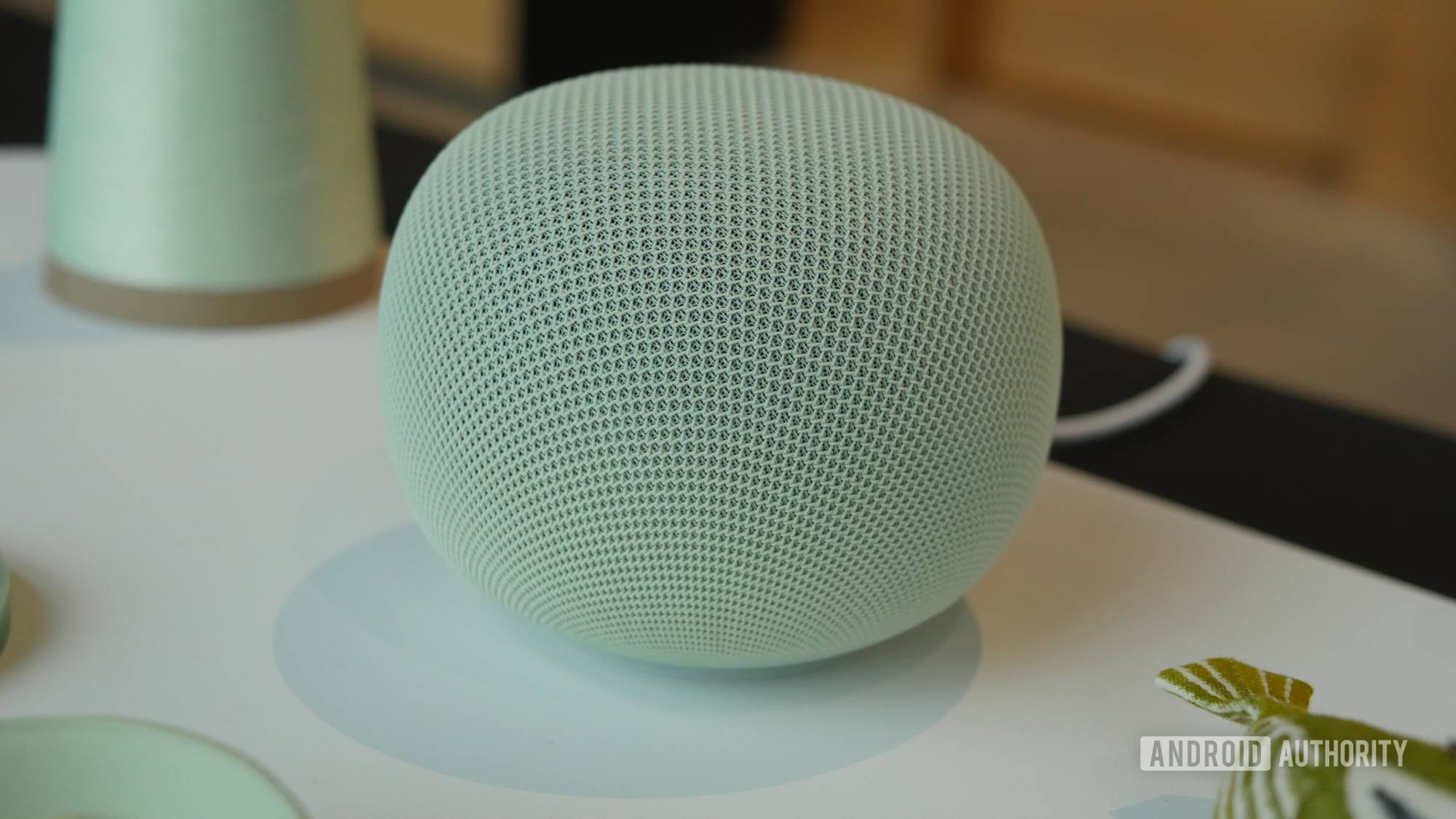
At the same time, network hardware is becoming increasingly powerful and densely packed, making cooling more challenging. Outdoor wireless equipment is traditionally rated for up to 60°C, factoring in both outside heat and generated heat. However, some vendors are now lowering this ceiling to 55°C. The five-degree discrepancy could become critical as access points generate more heat themselves.
As wireless technology advances, access points now house multiple radios, each adding more heat. Future wireless platforms like Wi-Fi 8 may incorporate even more AI-assisted processing at the edge, requiring greater compute resources, memory, and power. This will generate additional heat, heightening the challenge for vendors to maintain reliability in demanding environments.
Solar load, or the additional heat from direct sun exposure, is another critical factor in outdoor network design. It's crucial to consider how hot the air around equipment becomes and how much extra heat the hardware absorbs from the sun. This combined heat can push equipment closer to its limits. Designing hardware to function reliably across a broader temperature range is complex.
Temperatures are rising and unpredictable, and today's conditions might differ in a few years. Each component has its operating limits, so selecting parts based on expected temperatures is necessary. Industrial or automotive-grade parts might be needed for access points to operate closer to 70°C, but these can be more expensive and less globally available, creating supply chain challenges.
Cooling powerful access points poses trade-offs, such as added moving parts, increased size, weight, and cost from fans, larger heat sinks, or liquid cooling. While lowering the maximum operating temperature can help reduce costs, every degree matters, as it may limit the countries, climates, and outdoor environments where an access point can reliably operate.
As extreme weather becomes more common, organizations must consider the conditions their network infrastructure may face throughout its lifespan. This requires looking beyond day-one performance specs and assessing how equipment will cope with sustained heat, solar load, and other environmental stresses. Networking vendors must balance power, performance, cost, and thermal design while ensuring equipment is designed and tested for its intended deployment environments.
Organizations investing in networks should adopt a forward-looking approach, considering not just today's conditions but what equipment may need to withstand several years from now. This begins with asking key questions before deployment: what is the equipment's environmental headroom, what temperatures and conditions has it been designed and tested to endure, how does it perform under solar load and other real-world stresses, and will its resilience support the network throughout its expected lifespan?
Ultimately, the aim is to build networks capable of withstanding evolving technology and environmental changes, ensuring long-term performance and reliability.
Written by urgent.news from TechRadar's reporting — not their text. Machine-written — may contain errors; check the original before relying on it.