Arbeit und KI: Siemens: Wegen KI nicht auf Einstiegsjobs verzichten
Personalvorständin Wiese warnt davor, jungen Mitarbeitenden nicht mehr die Chance zu geben, Dinge selbst zu machen. Sonst fehlen später Fähigkeiten.
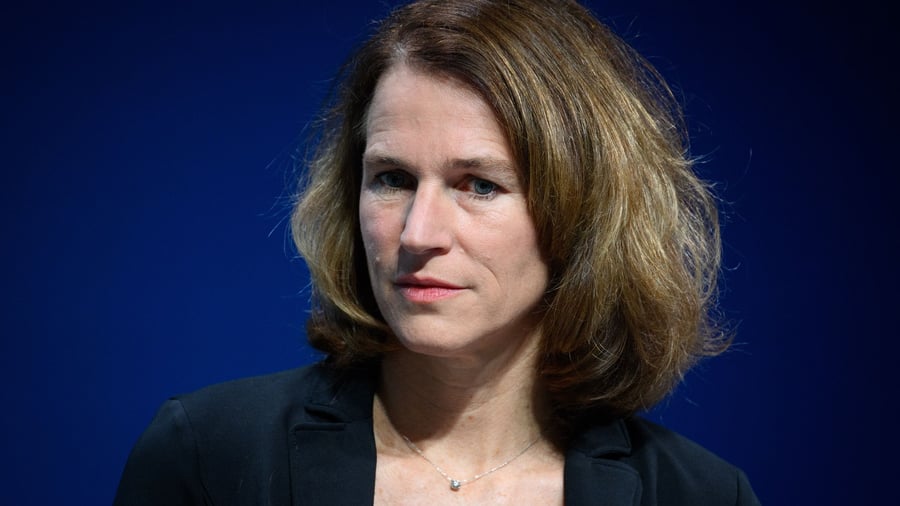
Siemens' head of people, Judith Wiese, cautions against offering entry-level positions in an era where AI is taking over simpler tasks. If employees no longer have the chance to accumulate certain experience curves, valuable skills will be lost and needed later on. She cites software developers as an example, stating, "Our developers can increasingly have simple and even complex code written by AI and agents instead of programming it themselves."
The key task for people is then to critically question the code. The crucial question is always: "What do I need to do, check, and see to ensure I'm not replaced by AI?" For now, it's essential for individuals to create and gain experience. Companies play a role here too: they must give young employees the opportunity to take on certain tasks and go through steps to learn the skills required to review AI and validate its results.
At Siemens, the company will continue to specifically hire and invest in young people. Ultimately, each firm must ask itself: "What must I do to give young talents the chance to go through this experience and learning curve?" AI could even help speed up and make more efficient the skills transfer to employees. It will be interesting in a few years when the first young employees join the company who have grown up with AI.
"Very soon, people from the education system will come who have already worked with AI in a different way, and experienced colleagues can learn a lot from them." It's too early to say how AI will affect employment. She cites software engineers, of which there are around 30,000 in the group, as an example: "We can use additional productivity either to do the same with fewer people or to do more with the same number of employees.
And right now, we're glad to be significantly faster, trying more things, and starting additional projects that otherwise wouldn't have been possible."
Written by urgent.news from Handelsblatt's reporting — not their text. Machine-written — may contain errors; check the original before relying on it.