Tax Asaan Scheme – yet another fiasco
The poor response to the Fixed Tax Asaan Scheme, the voluntary trader registration, suggests that it is heading for a failure, reminding of the successive schemes that have met a similar fate over the decades while fresh initiatives continue to be introduced without any meaningful assessment of the causes of earlier fiascos. Documenting traders has remained a pipe dream for successive governments…
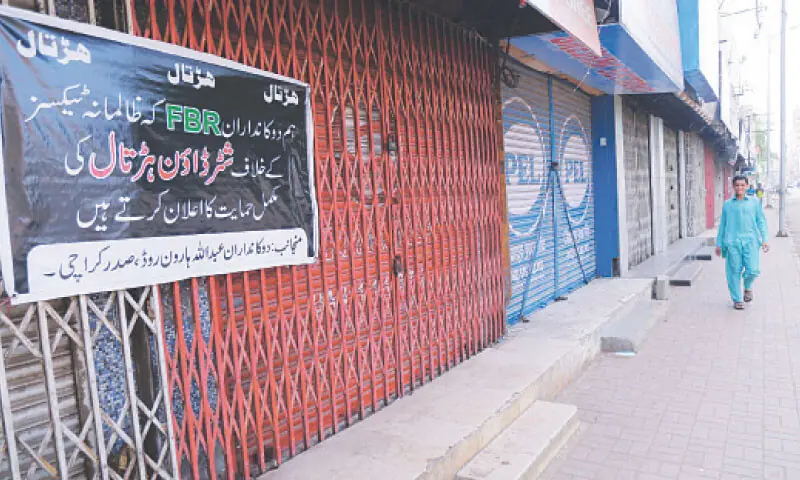
The Fixed Tax Asaan Scheme has struggled to gain traction, highlighting a recurring trend among tax concession schemes introduced in Pakistan over the past few decades. Despite numerous attempts since the 1990s, most schemes have failed to create a sustainable system for tax compliance. The current scheme, along with previous initiatives like the Voluntary Tax Compliance Scheme in 2016, the trader documentation initiative in 2019, and the fixed tax arrangement through electricity bills in 2022, has collectively failed to achieve its objectives, with only a small number of traders participating.
The reasons behind the scheme's limited success include its design, which disproportionately burdens small retailers, and concerns over its continuity and enforcement. Additionally, the scheme's objective of documenting the entire supply chain, particularly in a cash-dominated economy, remains unmet. While some traders do pay taxes via withholding mechanisms, these payments do not fully represent their actual tax liability.
To improve tax compliance, it is suggested that a comprehensive electronic transaction tracking system be implemented, coupled with incentives for digital payments to enhance transparency and reduce the reliance on voluntary declarations.
Written by urgent.news from Dawn Business's reporting — not their text. Machine-written — may contain errors; check the original before relying on it.