Russian military satellite closes from 200 miles to 3 miles of US radar craft aiding Ukraine
Russia’s Cosmos 2612 moved from more than 200 miles to about three miles from ICEYE-X36, a U.S.-owned radar satellite.
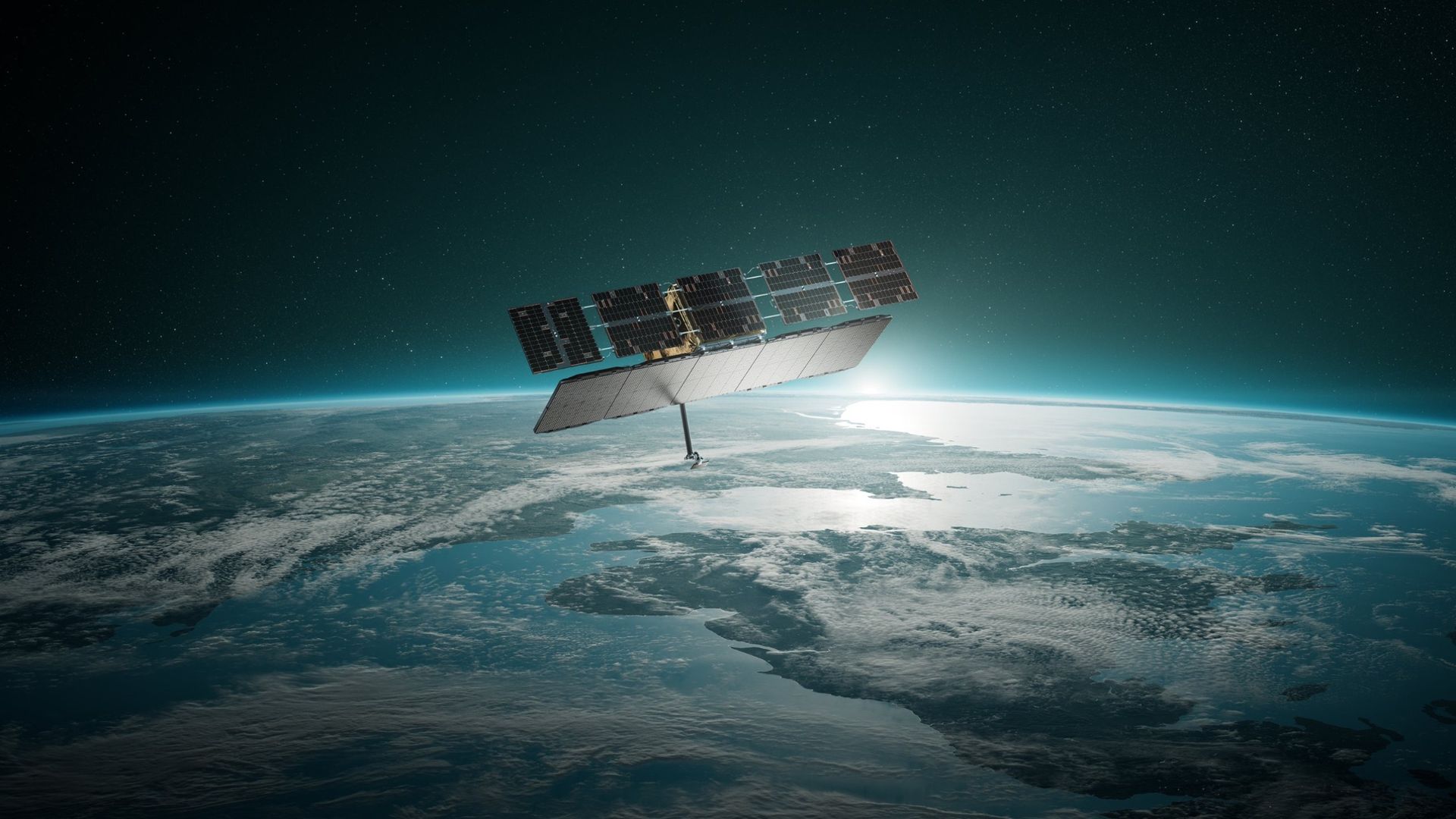
Russian military satellite Cosmos 2612 has drawn dangerously close to the U.S.-owned ICEYE X36 radar satellite aiding Ukraine, according to Axios. The unapproved rendezvous in low Earth orbit, which could be the first of its kind, has raised alarms in the West. Astronomer Jonathan McDowell notes that the position change, likely not an accident due to scarce fuel supply, is probably a provocation and an attempt to spy on the satellite.
New tracking data shows Cosmos 2612 made a maneuver on October 16, stationkeeping within 5 km or less of ICEYE X36. This is the first LEO rendezvous of two active satellites without the owner’s consent, according to LeoLabs. Roughly 3 miles is too close for comfort, as countries generally maintain at least 6 miles apart. The approach was made without the owner's approval, and Russia has not disclosed what the military satellite carries.
ICEYE X36, launched in March 2024, is a synthetic aperture radar satellite that can image through cloud cover and at night. It has been supplying Ukraine with information since 2022. In May, Russia's six military satellites launched in April shifted their orbits to match X36's orbital plane. Cosmos 2609 passed within 2.5 km of X36 on May 26, while Cosmos 2612 drifted off X36’s plane by about 0.24 degrees by Sept.
30. Then, Cosmos 2612 made separate burns to match altitude, eccentricity, and orbital period, coming within "a few hundred meters or possibly (much) closer" by October 16. These movements appear deliberate and costly in fuel use. While close-proximity work can be benign, policymakers should assume the Russian satellite could take hostile actions.
Western officials describe such trailing as a way to gather intelligence and test the West's tolerance, though no statement from Russia is available.
Written by urgent.news from Tom's Hardware's reporting — not their text. Machine-written — may contain errors; check the original before relying on it.